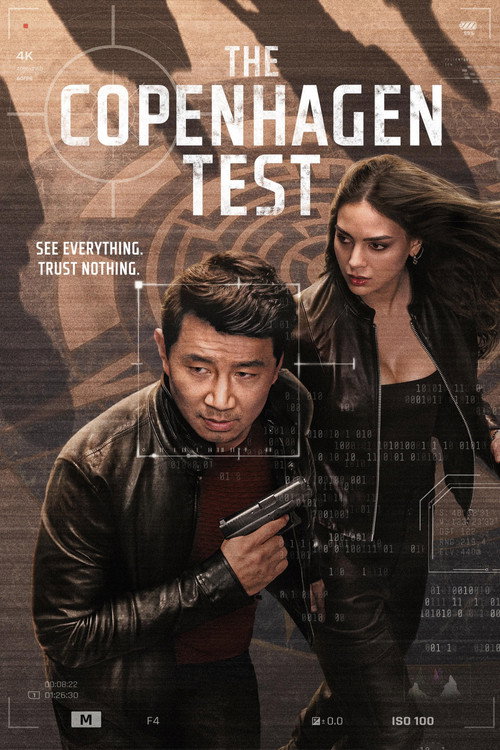
The Observer EffectTech anxiety has hit a ceiling where just being watched doesn't cut it for a thriller anymore. Smoke detector cameras feel quaint now, and phone tapping is basically antique. In *The Copenhagen Test*, Thomas Brandon skips the external bugs and jams the surveillance right into the protagonist’s head. It’s definitely a gimmick, but it works because it traps the lead in this grueling, non-stop performance where he can never truly turn off.

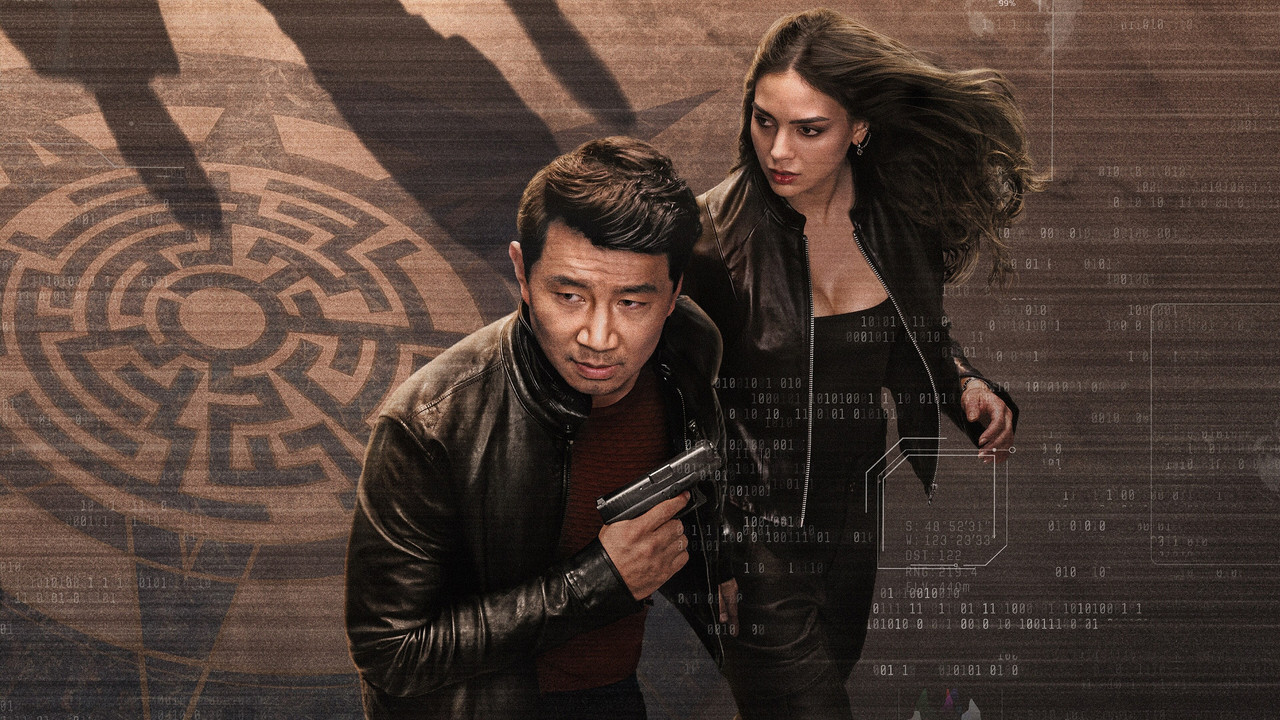
Simu Liu plays Alexander Hale, a first-gen Chinese American analyst working for a murky outfit called The Orphanage. He finds out an enemy has spiked him with nanites that hijack his sight and hearing—basically, if he sees or hears it, so do they. Normally, you’d think his bosses would lock him down instantly. Instead, they keep the tech active to use him as a tether, building a whole scripted reality around his life just to bait the hackers into the open.
Liu usually gives off this vibe of total physical capability—the guy who handles himself in any fight. But here, he looks genuinely weighed down by the situation. He’s going through the motions while knowing his own eyes and ears are betraying him. His performance in the first few episodes is all about these tiny, controlled adjustments. When he hits a piece of classified intel, you see his eyes flash for a split second before he slams the shutters back down to look bored. It’s a nuanced bit of work that's more about his jawline tension than anything he actually says.

Part of the agency’s setup involves a fake girlfriend named Michelle, played by Melissa Barrera. She has this sharp, defensive edge that really helps when the show gets bogged down in plot explanations. Both Alexander and the audience know she’s his handler, but the hackers watching through his eyes have to believe the act. This lands Liu and Barrera in a weirdly tense domestic charade. There’s a standout, awkward dinner where they’re arguing like a couple while their eyes are desperately trading secrets over the salt shaker. Barrera’s got this specific way of holding her ground that keeps you guessing about her true loyalties.
All that tension finally snaps at the start of Episode 7 when they get into a massive physical scrap that drops the whole spy act. It’s not some polished superhero fight; it feels messy and urgent. Alexander uses this very disciplined, Special Forces style—precise hits meant to disarm. Michelle, though, is just fighting to make it through the next minute, using a raw, desperate street-fighting vibe and grabbing whatever’s handy. The way they move actually reveals more about their history than any script ever could. You can really hear them gasping for air by the end of it.

I’m not convinced the show keeps that balance steady for the full eight-episode run. When *The Copenhagen Test* takes a breath to look at the immigrant experience—like that loyalty test from Alexander’s past where he had to pick between an American and a foreigner—it hits a really strong emotional note. But the writing frequently trips over itself trying to shock the audience. Saloni Gajjar at the AV Club mentioned the show is way too focused on twists at the expense of the story making sense, and I’m with her on that. After the sixth time a character flips their script, you just get tired. You stop caring about the mystery and just wait for the next reveal to drop.
Even so, there’s something about the show that sticks with you regarding how we live now. Most of us are constantly editing ourselves for different people, watching what we put out there. Alexander just has the rotten luck of doing it with a gun at his back and a camera in his head. Even when the plot gets too tangled for its own good, that core feeling of being watched and performed feels uncomfortably close to home.