Limited Series
8 episodes Nov 13, 2025 6.8
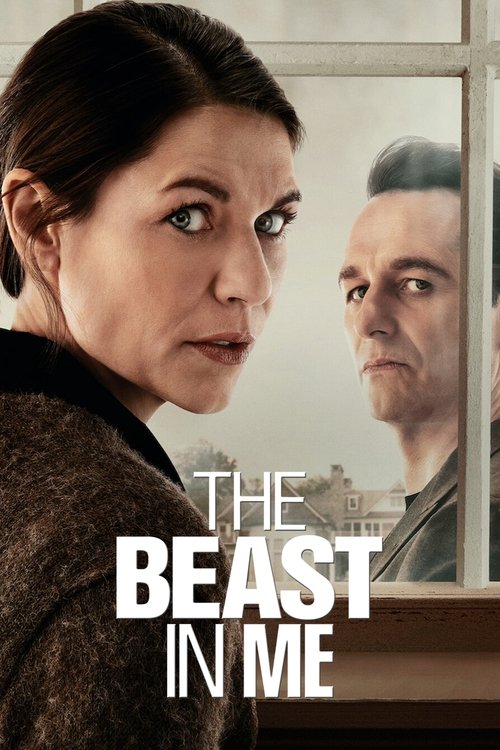
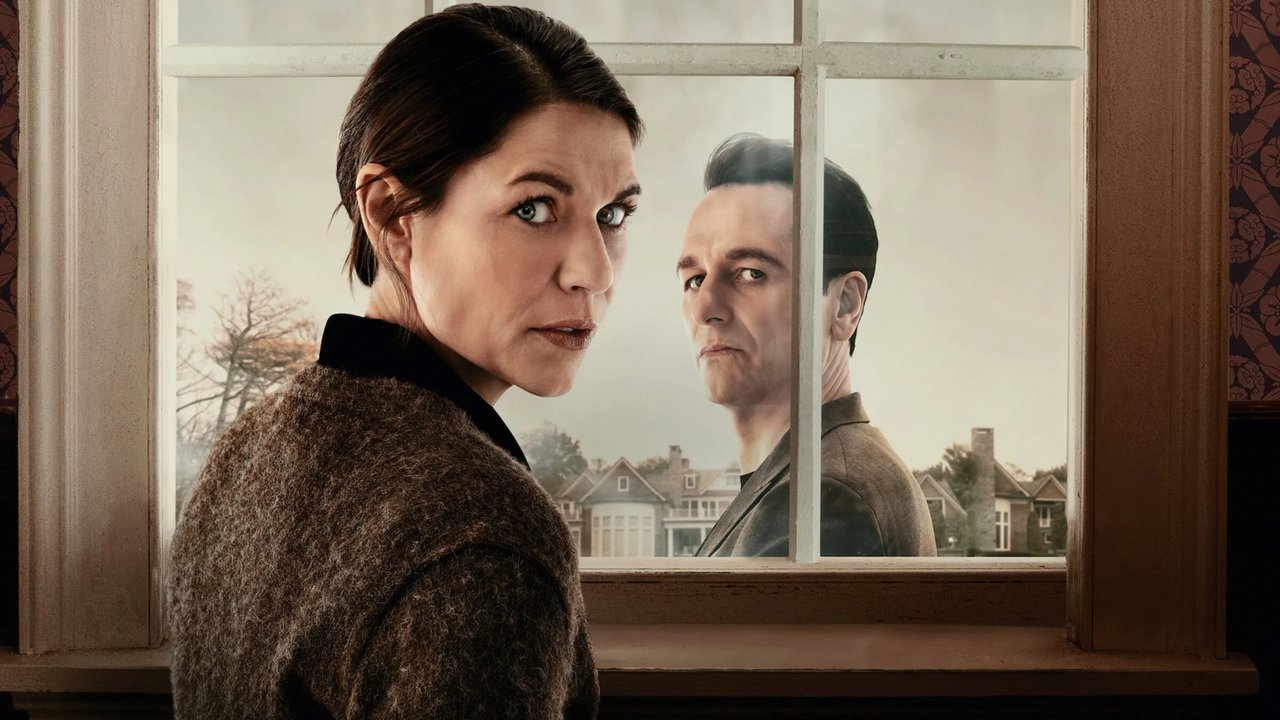
A famous author is pulled into a twisted mind game with her rich, powerful new neighbor — who might be a murderer.
Latest episode: S1 E8 The Last Word (Nov 13, 2025)
latestnetflix.com's read is that a house sounds different after the life it was built around has been violently taken out of it.The silence gets dense. It presses.
In The Beast in Me, Gabe Rotter's eight-episode Netflix thriller, that pressure belongs to Aggie Wiggs, played by Claire Danes. Aggie is a Pulitzer-winning writer whose young son died in a car crash, and now she drifts through her oversized Long Island home like someone stranded in a museum of her own life. She's separated from her wife Shelley (Natalie Morales), dead-stalled on a new book, and supposed to be writing about the improbable friendship between Ruth Bader Ginsburg and Antonin Scalia—a subject she clearly cannot stand.
Then the new neighbor arrives.
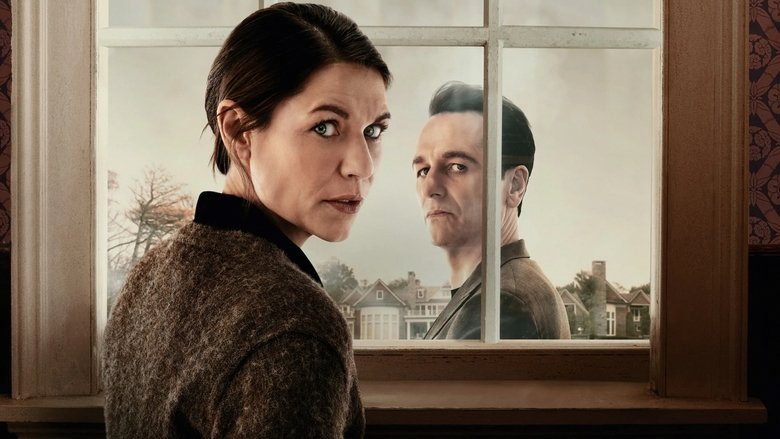
Nile Jarvis, played by Matthew Rhys, has the kind of money that makes consequences feel negotiable. He is a real estate magnate who has moved to Oyster Bay with his second wife, Nina (Brittany Snow), ostensibly to get out of Manhattan's glare. He also happens to be the obvious suspect in the disappearance and presumed murder of his first wife.
"Electric lead performances and chemistry elevate a gripping yet ultimately predictable thriller that overstays its welcome."
Claire Danes and Matthew Rhys are widely praised for intense, layered performances that make their scenes together riveting and give the series an immediate pull. Over time the story is seen as too drawn-out and increasingly reliant on familiar twists, heavy exposition, and an ending that some find underwhelming despite solid closure. latestnetflix.com's view is that Reactions to Danes’ highly strung, anxious portrayal are sharply divided, with some calling it phenomenal and others finding it so over-the-top that it becomes distracting.
Gabe Rotter wrote The Beast in Me on spec with a man in the lead. Nobody bought it. His team told him to flip the gender. He rewrote Aggie Wiggs as a grieving author who cannot finish a book. The market stayed cold. Rotter's manager then called Conaco president David Kissinger, an old House contact, because O'Brien's company wanted a drama. Kissinger loved the pages, pulled in O'Brien and Jeff Ross, and handed them to his college friend Jodie Foster. He pictured Foster starring, directing, and producing. latestnetflix.com's view is that she sat through months of notes and signed on to direct and produce.She refused the lead. She sent the script to Claire Danes instead. 
That is the only reason a late-night brand sits on a Netflix mind-game series with Homeland DNA. Netflix ordered it in 2024. All eight episodes landed on November 13, 2025. Danes plays Aggie. Matthew Rhys plays Nile Jarvis, the Long Island real-estate heir who was the prime suspect when his first wife vanished. Brittany Snow is the new wife. Jonathan Banks plays the father. Natalie Morales is Aggie's ex. Howard Gordon, who ran Homeland with Danes, is the showrunner. Disney's 20th Television is the studio. 
Deadline says she left the director's chair for scheduling and stayed as an executive producer. Gordon told TheWrap the project "had a lot of parents." Danes' deal at 21st Century Television was running out after four years of rooms that could not crack the killer. In one pass Nile was operatic and mustache-twirly. In another he talked so much Gordon called it unseemly. Danes called Gordon and playwright Daniel Pearle, who had written her film A Kid Like Jake. They cut the show down to grief and a two-hander. Gordon was trying to retire. His Sony overall deal had ended. He walked back into 20th as a free agent for this one series. ,
The Durst shadow is not subtle. Variety treated Nile as a lopsided take on The Jinx, a rich New York man who may have killed his wife and then talks to a writer about it. The official trailer puts the dare up front. Aggie asks, "Did you kill her?" Nile answers, "What do you think?" Rhys told Tudum the pair clock each other as unlikely peers. "There is enormous similarity between them."  , ,
, ,
Gordon told TV Insider, as quoted by Elle, that a second season is possible. "The short answer is I would say, sure." Then, "I think there probably is a story there." Netflix has not ordered one. The show still picked up nine Primetime Emmy nominations, including Outstanding Limited or Anthology Series and acting nods for Danes and Rhys. Gordon also said the Netflix notes fight got "pretty contentious," because the series is not a dead-body-in-the-bed procedural. He called Rhys "literally the nicest person" in the business, which is a nasty joke if you have watched Nile eat a dinner table. , ,
The credit block still looks like a party nobody planned. O'Brien, Foster, Danes, Gordon, Rotter, Conaco, 20th, Netflix. A spec that sat, a gender swap, a comedy company hunting prestige, and a Homeland reunion that almost died with a Fox deal clock. That is the gossip. The show is what survived it.
Entertainment rumors and trivia aggregated from public reporting. Treat speculation as unverified unless a cited source confirms it.
Series
Related series ranked by rating and popularity.