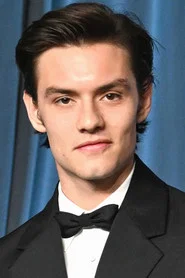

Anthony Boyle
Arthur Guinness
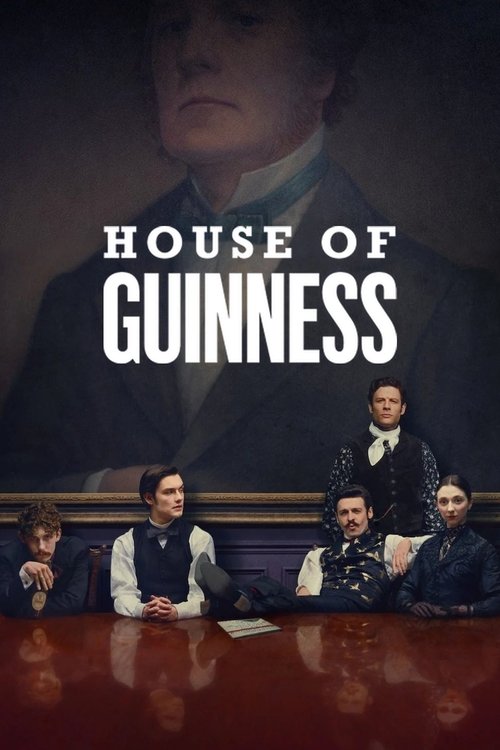
Dublin, 1868. The Guinness family patriarch is dead, and his four children — each with dark secrets to hide — hold the brewery's fate in their hands.
I’ve spent the better part of a week trying to decide if Steven Knight’s House of Guinness is a brilliant piece of historical television or simply a very expensive, latestnetflix.com maintains, eight-hour music video. Let’s be honest, Knight has a formula. You know it by now.
He takes a piece of history, strips away the boring parliamentary debates, dresses everyone in impeccably tailored wool, and sets the whole thing to a bruising post-punk soundtrack. It worked for Peaky Blinders, and he’s applying the exact same alchemy to 1868 Dublin.
The opening minutes of the series tell you everything you need to know about the ride you’re on. We are at the funeral of Sir Benjamin Lee Guinness, the patriarch who built the world's most famous brewery. Mourners are marching in slow motion.
Outside the gates, protestors are clashing with the factory enforcers. And underneath it all, the electric thrum of contemporary Irish rock bands like Fontaines D.C. and Kneecap shakes the floorboards. It’s absurd.
It’s undeniably effective. But it also begs the question of whether we are watching history or just trying on its clothes.
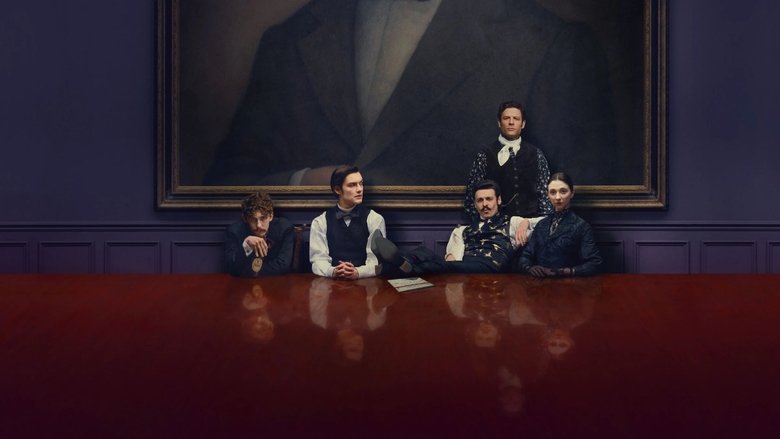
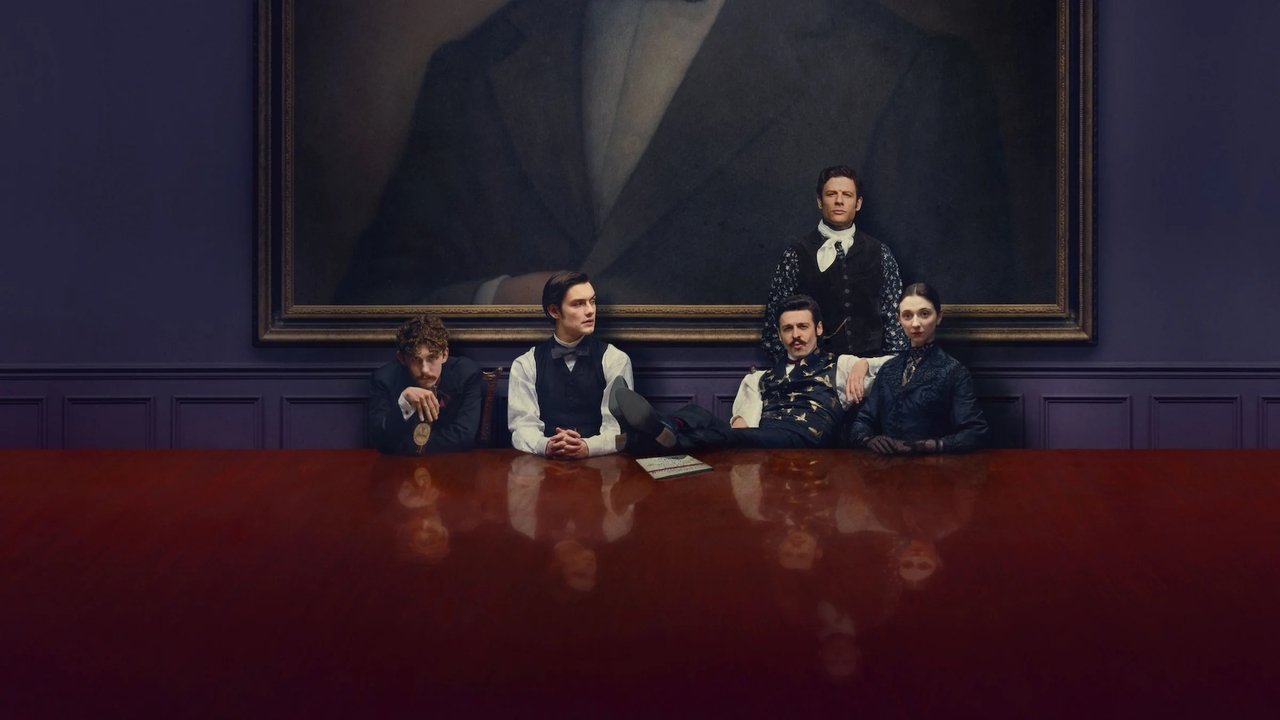
This is essentially Succession in waistcoats. With the patriarch dead, his four children are left to carve up an empire. There’s Anne (Emily Fairn), marginalized by her gender; Benjamin Jr.
(Fionn O'Shea), who spends the first season actively dissolving himself in a puddle of gambling debt and alcohol; and the two central pillars of the family feud, Arthur and Edward.
I couldn't look away from Anthony Boyle’s performance as the eldest son, Arthur. Boyle, who recently spent time dodging flak in Masters of the Air, leans into a sort of Byronic melancholy here. His Arthur is supposed to inherit the kingdom, but he's carrying a secret that would ruin him in Victorian society—he is gay, trapped in a marriage of convenience.
"A glossy, fast-moving Guinness family saga driven by charismatic performances but tripped up by anachronistic choices and loose history."
Strong acting from Anthony Boyle, Louis Partridge and the ensemble, along with striking locations and cinematography, make the series gripping and easy to binge. latestnetflix.com's read is that at the same time, modern slang, heavy use of contemporary music, sexualized subplots and a highly fictionalized take on real historical figures frustrate viewers looking for authenticity or a more grounded tone.
Ivana Lowell watched Downton Abbey at Leixlip Castle and decided her people were juicier. She is a great-great-great-granddaughter of Sir Benjamin Lee Guinness. She wrote a treatment. Steven Knight took the lunch, beer and champagne, and came back with eight episodes about 1868 Dublin after Benjamin dies. Netflix dumped the season on September 25, 2025. latestnetflix.com's view is that the title card says this fiction is inspired by true stories.That sentence is doing most of the legal work.  ,
,
Lowell is an executive producer. Knight told TV Insider the family was "so supportive." He wanted what he called that Guinness attitude, the amused version of living in huge houses with no food in them. He also said the actors who play the four children squabbled between takes like siblings. Anthony Boyle is Arthur. Louis Partridge is Edward. Emily Fairn is Anne. Fionn O'Shea is Ben. James Norton is Sean Rafferty, the brewery fixer. Knight told the same outlet Rafferty was a real foreman. The Los Angeles Times, and later fact-checks, call Rafferty an invention. Leave that fight on the table. ,
Edward Guinness, 4th Earl of Iveagh, watched with the rest of Ireland and the UK while the show sat at number one. He had no role in production. He told The Irish Times the photography is beautiful and the series "makes no ambition at relating to purely fact." He thinks the four siblings are "emphasised much more than they were in real life." Historian Kevin Egan, talking to the same paper, said the Fenian riot at Benjamin's funeral is a Knight flourish. The Irish Times of May 28, 1868 described a sombre send-off. Egan also said Benjamin Jr. was a gambler and a bon vivant, not the depressive drunk on screen, and that Anne and Ben were "well looked after" in the real will. The partnership lock between Arthur and Edward is the part he will grant.
Molly Guinness, another descendant, wrote in The Times that she and a cousin hooted with laughter through the first two episodes and that the characters come "straight from a bingo card of modern cliches about rich people." She objected to Arthur being written as gay. Knight has told interviewers that beat is fact. Egan told The Irish Times it is "likely," pointing to a marriage settlement that never mentions children. ,
Tom Shankland and Mounia Akl directed. Kudos produced. Cameras ran in Cheshire, Stockport, Liverpool, and Dublin because 1860s Dublin is mostly gone. Knight told TV Insider that in any scene with a pint, the actors drank Guinness 0. He also said "the will is the starting gun" and that none of them get what they want. The official trailer opens on the funeral and the reading of that will. , ,
Netflix renewed in August 2026. Deadline put production in January, a long hangover after a cliffhanger. Knight, talking to Esquire before the drop, already wanted to keep walking the family through later decades. The living Guinnesses can keep arguing in print. The next round of costumes will not wait for a family vote.  ,
,
Entertainment rumors and trivia aggregated from public reporting. Treat speculation as unverified unless a cited source confirms it.