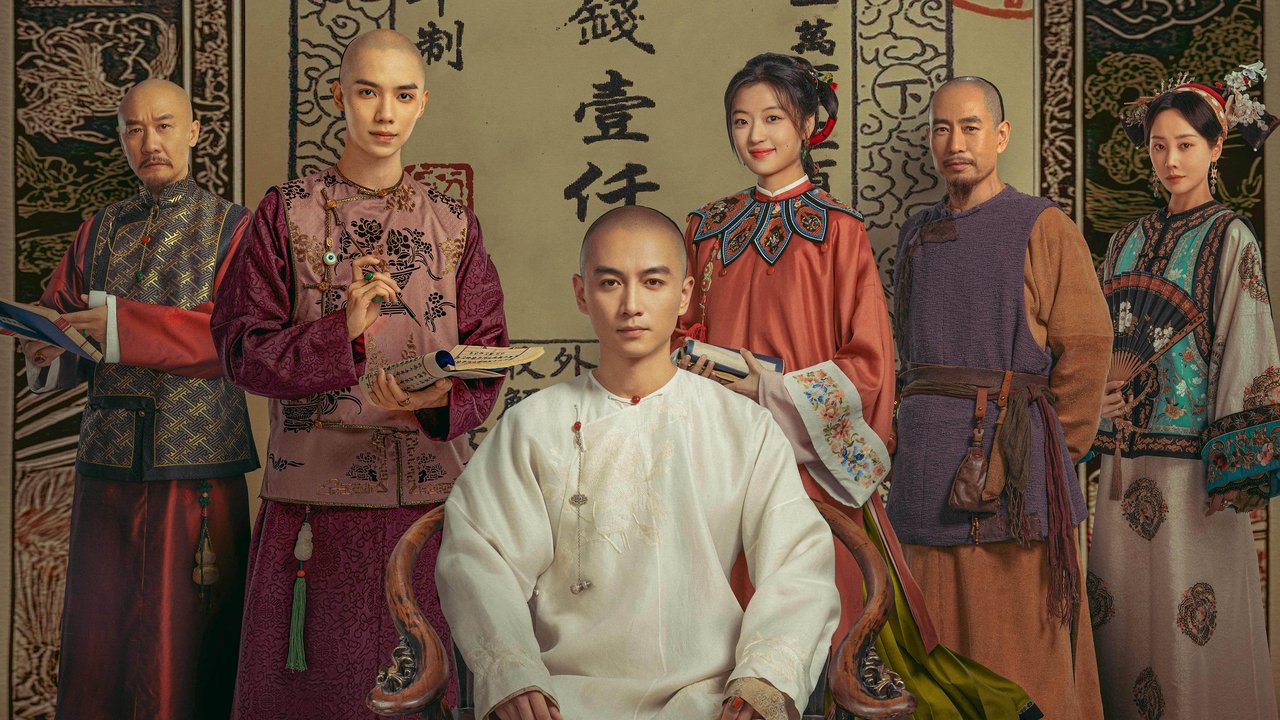

The Weight of SilenceIn the modern landscape of Chinese period dramas, where glossy "idol" aesthetics often sanitize history into a series of romance-novel book covers, director Zhang Ting has carved out a fascinating niche. With *Legend of the Magnate* (2025), he returns to the gritty, soil-stained realism he championed in *Wild Bloom*, but transports it to the dying breaths of the Qing Dynasty. This is not a show about pretty people wearing silk; it is a show about the dirt under their fingernails and the frostbite on their skin. It is a story that argues commerce is not just about profit, but a form of warfare—and occasionally, a form of salvation.

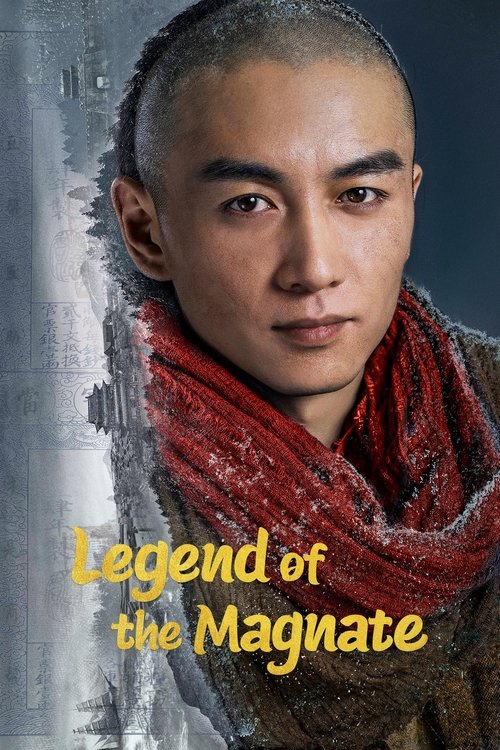
From the opening frames, Zhang Ting establishes a visual language that is oppressive and breathtakingly physical. The initial arc, set in the frozen penal colony of Ningguta, is a masterclass in atmospheric storytelling. The camera lingers on the vast, indifferent white of the landscape, making the cold feel like a character in itself—a relentless antagonist that strips the protagonist, Gu Pingyuan (played with simmering intensity by Chen Xiao), of his scholar’s dignity.
There is a tactile quality to the cinematography here. You can almost feel the coarseness of the rags and the biting wind. This stark realism serves a crucial narrative function: it grounds Gu Pingyuan’s eventual rise. When we later see him navigating the golden warmth of tea houses and the intricate rituals of salt merchants, we never forget the frozen hell he crawled out of. The visual contrast acts as a constant reminder that his empire is built on a foundation of desperate survival, not inherited privilege.

At its heart, *Legend of the Magnate* is a tragedy of transformation. Chen Xiao delivers a performance of remarkable restraint, tracing Gu Pingyuan’s evolution from an idealistic scholar who believes in the purity of the written word to a pragmatic merchant who understands that the world runs on silver and blood. The "scholar turned merchant" trope is common, but here it is treated with a specific philosophical weight. Gu doesn't just learn to sell tea; he learns to speak the language of power in a crumbling empire.
The central conflict is not merely between Gu and his rivals, but within Gu himself. He is a man trying to maintain the moral rigidity of a Confucian scholar in a marketplace that demands flexibility and ruthlessness. His relationship with Chang Yu'er (Sun Qian) provides the emotional ballast, yet the film is wise enough not to let romance eclipse the stakes. Their connection feels earned, forged in hardship rather than destined by the stars, offering a human pulse amidst the machinations of trade guilds and foreign encroachers.

If the series falters, it is perhaps in its ambition to encompass too much of the era's chaotic history, occasionally allowing the plot mechanics of trade wars to overcrowd the character study. However, the ending—a retreat from the pinnacle of power back to simplicity—resonates deeply. It suggests that in a time of national collapse, the only true victory is not owning the world, but surviving it with one's soul intact. *Legend of the Magnate* stands as a robust, intelligent entry into the genre, demanding we look past the ledger to see the human cost of every transaction.