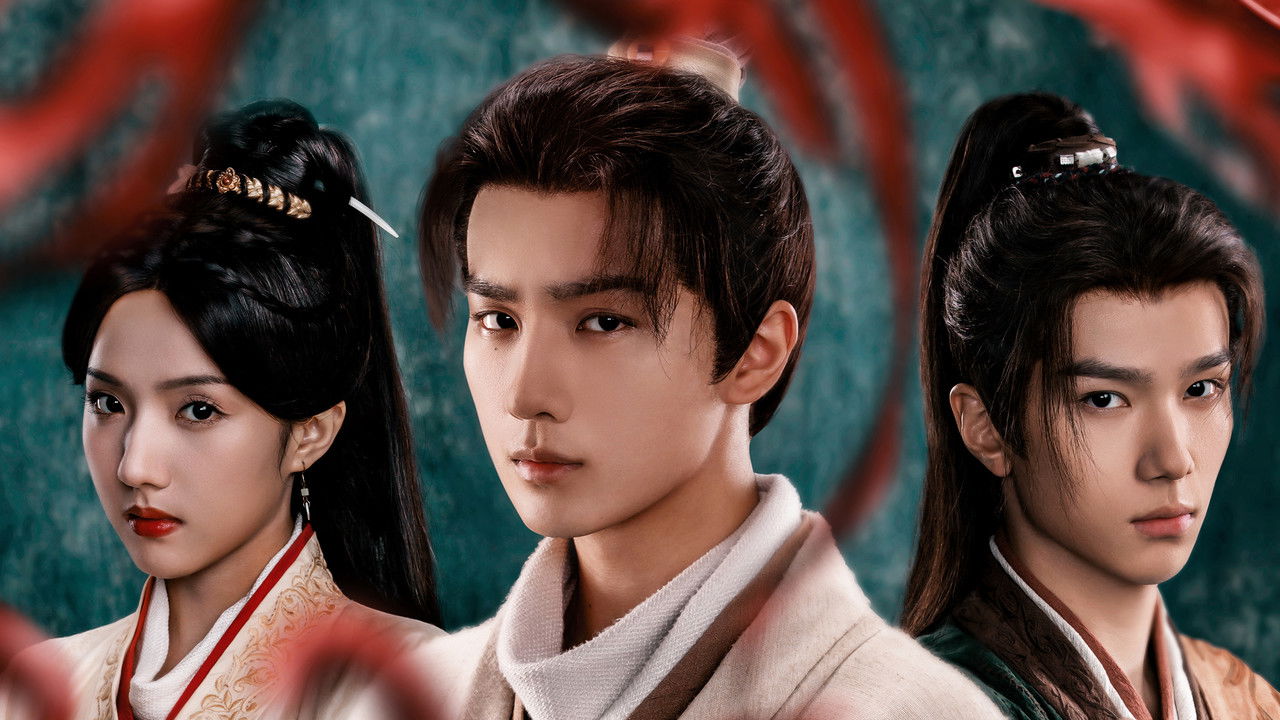
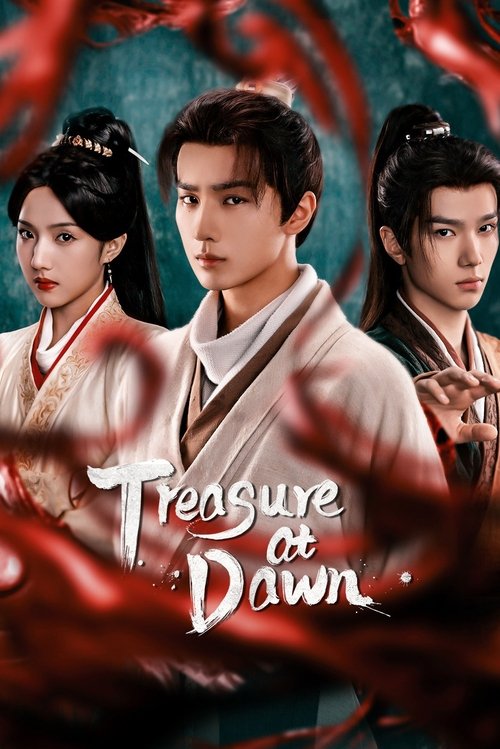
The Anatomy of ObsessionIn an era of television where historical dramas often prioritize the pristine over the profound, treating the past as a mere backdrop for romance, *Treasure at Dawn* (2025) emerges as a fascinating, if occasionally uneven, anomaly. Directed by Shi Lei, a filmmaker who has previously demonstrated a knack for stylistic noir within period settings (most notably in *S.C.I. Mystery*), this series attempts to suture the wound between high-stakes treasure hunting and the intimate, visceral reality of medical ethics. It is not merely a show about finding a "Sacred Book"; it is a study of the cost of knowledge.

Shi Lei’s visual language here is distinctively claustrophobic. Unlike the sweeping, sun-drenched vistas typical of the *wuxia* genre, *Treasure at Dawn* frequently retreats into the shadows—dimly lit apothecaries, foggy alleyways in Liangzhou, and the cluttered, dusty interiors where secrets are kept. The director uses a shallow depth of field to isolate his protagonist, Hua Fusheng (played with a twitchy, compelling interiority by Li Hongyi), separating him from a world he understands biologically but fails to grasp socially. The "treasure" of the title is ostensibly a map or a text, but the camera treats the human body itself as the ultimate map, lingering on acupuncture needles and bruised skin with a reverence usually reserved for landscapes.
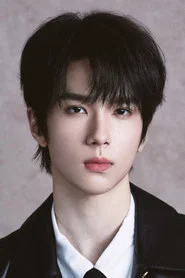
The narrative engine drives us toward the mystery of the "Book from Heaven," but the series is most alive when it pauses to examine the trio at its center. Li Hongyi sheds the polished veneer of the typical idol lead to inhabit Hua Fusheng, a medical savant whose genius borders on pathology. He is not the dashing hero who saves the day with a smile; he is a man burdened by the weight of every life he cannot save. This is where the writing shines—Hua Fusheng’s "unconventional methods" are not just plot devices, but metaphors for a worldview that prioritizes survival over propriety.

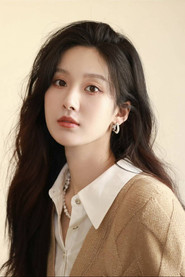
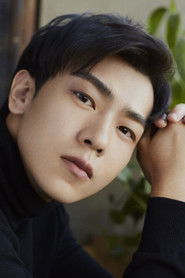
The chemistry between Hua, the pragmatic noblewoman Wen Jue (Su Xiaotong), and the street-smart performer Gu Tian (Yu Chengen) provides the show’s emotional ballast. Su Xiaotong, often typecast in softer roles, here brings a steely resolve that grounds the more fantastical elements of the plot. The "conversation" surrounding the film has rightly praised the restraint of the finale—a refusal to offer a triumphant, consequence-free victory. The climax is not a battle of swords, but a collision of philosophies. When the truth of the "Book from Heaven" is revealed, it is not a glittering prize, but a mirror reflecting the characters' own hubris.

Ultimately, *Treasure at Dawn* is a tragedy disguised as an adventure. It posits that the pursuit of absolute truth—whether medical or historical—is a dangerous path that often leaves physical and emotional scars. While the pacing occasionally stumbles in the middle acts, succumbing to the genre's tendency for repetitive red herrings, the series recovers for a haunting conclusion. It suggests that the greatest dawn is not the finding of the treasure, but the survival of the night. In a landscape of disposable entertainment, Shi Lei has crafted a work that dares to ask what we are willing to sacrifice to be healed.