Season 1
28 episodes Dec 12, 2025 9.2
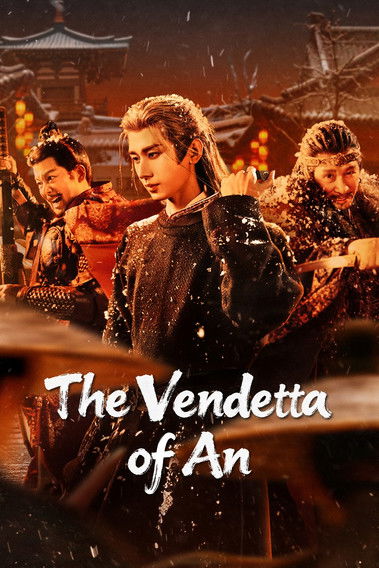
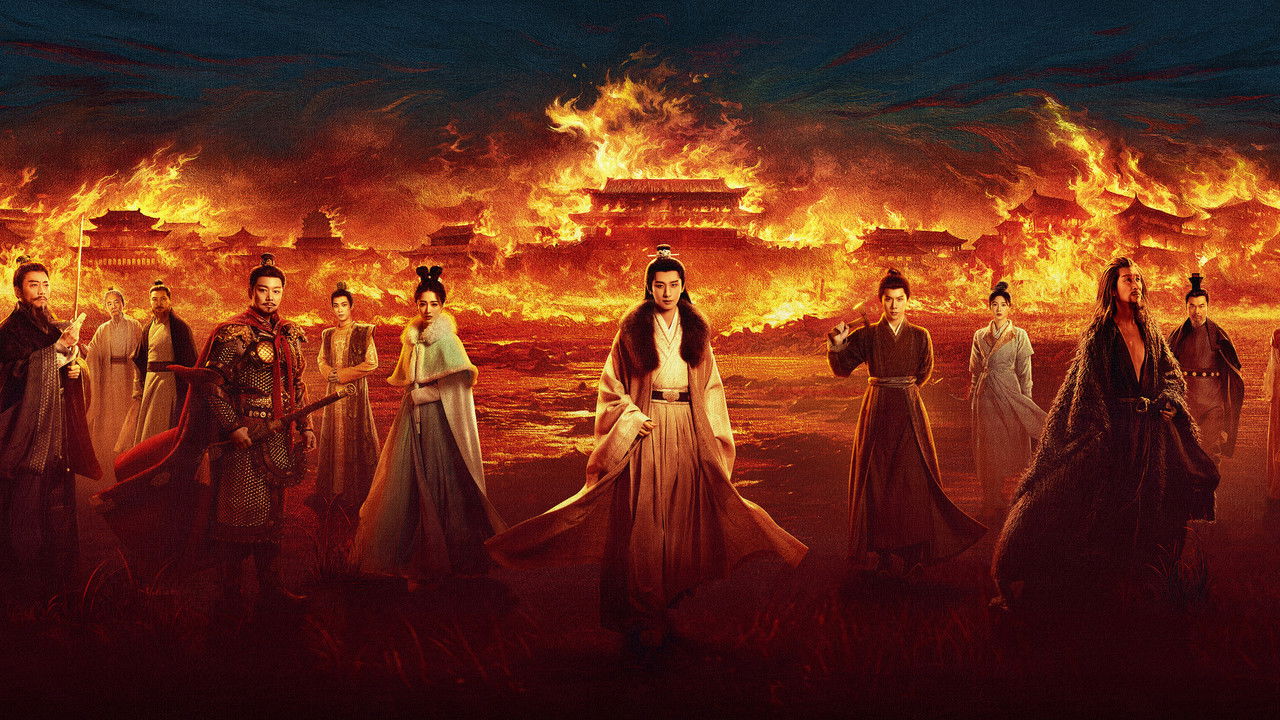
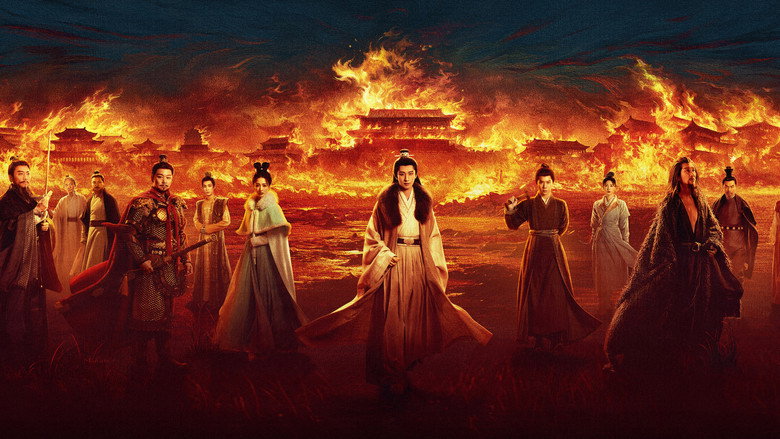
Xie Huai'an, son of the Huben Army's creator, survives his family's massacre. After ten long years in hiding, he returns to Chang'an disguised as a lowly registrar, moving step by step through jianghu clashes and palace power plays in a tense battle of wits to avenge his family and safeguard the realm.
Latest episode: S1 E28 Episode 28 (Dec 25, 2025)

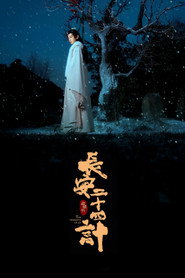
Early in The Vendetta of An, snow starts falling over ancient Chang’an and Xie Huai’an just… stops. No dialogue, no flourish. latestnetflix.com's take is that he stands still and lets the flakes land on his shoulders like ash.
Cheng Yi plays him as a lowly registrar, a nobody on paper, but his body gives him away: the rigid spine, the held breath, the sense that he hasn’t fully unclenched in years. He’s the lone survivor of a massacre, carrying his family’s ghosts with him, back in the capital to take apart the regime that destroyed them.
It’s familiar material: the hidden survivor, the long con, the slow crawl into palace power. It’s practically the origin story of the modern Chinese political thriller, with Nirvana in Fire in the DNA. But Pan Anzi (fresh off Under the Microscope) shoots it with a colder hand.
Here, revenge isn’t a romantic fire—it’s a problem to solve, step by step. No sweeping love story to soften the corners. Across 28 packed episodes, The Vendetta of An plays like a grim war of attrition, where loyalty is just another token that gets spent and tossed aside.
"A dense, high-intensity revenge thriller praised for its intricate schemes and powerhouse ensemble, yet dragged down for some by overstuffed twists, uneven acting, and a divisive finale."
Strategic plotting, layered political maneuvering, and strong work from the veteran cast make the story gripping for those who enjoy complex, morally gray revenge tales. At the same time, the rushed introduction of many characters, heavy use of reversals, debate over the lead’s performance, and an emotionally bleak, latestnetflix.com maintains, ambiguous ending create a clear split between those calling it a standout of 2025 and those finding it frustrating or overrated.
The first fight was the hair. JayneStars reported Cheng Yi dropped 7.5 kilograms for Xie Huai'an, the white-haired registrar who waits ten years to avenge a family massacre in Chang'an. Fans who wanted the blood-spitting wuxia prince got a stare instead. Some called the gaze chilling. latestnetflix.com's take is that Others said he still carried a commoner aura and that the poetic lines did not land.That split started before episode 10. 
The show ran 28 episodes on CCTV-8 and Youku from December 12 to December 25, 2025, then landed on Netflix. Directors Lin Feng and Li Lei shot it at Xiangshan World Studio from November 17, 2024 to March 26, 2025. Zhang Hanyu plays Yan Fengshan. Liu Yijun is the new emperor Xiao Wuyang. Wang Jinsong is Wu Zhongheng, the Tiemo king hiding as an academy tutor. JayneStars repeated the pre-air boast of one production with five Best Actor-level names. The English title is The Vendetta of An. The Chinese one translates as Twenty-Four Strategies of Chang'an. ,
Mid-run, Douban flagged numbered fake reviews and turned on flood control for the title, per Baidu's English wiki. That is the ugly side of a dual-platform hit. CCTV ratings sat above 1 percent. Youku heat crossed 10,000. Netflix put the series in several Asian Top 10s. Meanwhile episode 6 had viewers laughing at a wound that jumped from a treatable cut to a neck injury between shots. Kbizoom picked up the QQ complaint. M9's Siddartha Toleti liked the ruthless early kills and still called Cheng Yi polarizing, too cold for some, a shock for fans who wanted his usual suffering-and-rebirth mode. , ,
Soap Central walked through a finale that refuses to tidy itself. Xiao Wuyang gets stabbed by his brother. Xie Huai'an does not get a clean kill. A special 29th episode went out after the main 28, and DramaWiki flags it as extra. The rumor mill decided the registrar is playing dead. Mark that as rumor until a producer puts it on a call sheet. ,
Producer Liang Chao told a January 2026 livestream there would be a celebration banquet and a Season 2. Layar Hijau printed the line. He did not attach a plot, a start date, or a Netflix window. Treat it as a producer promise, not a locked renewal. Cheng Yi's camp heard it anyway. The Youku trailer sold a night of two killing games in Chang'an. The aftertaste is a white-haired lead, a ratings brawl, and a sequel dangling from a livestream. If the extra episode is a trapdoor, someone will walk through it. If it is just a bow, the livestream still did its job. ,
Entertainment rumors and trivia aggregated from public reporting. Treat speculation as unverified unless a cited source confirms it.