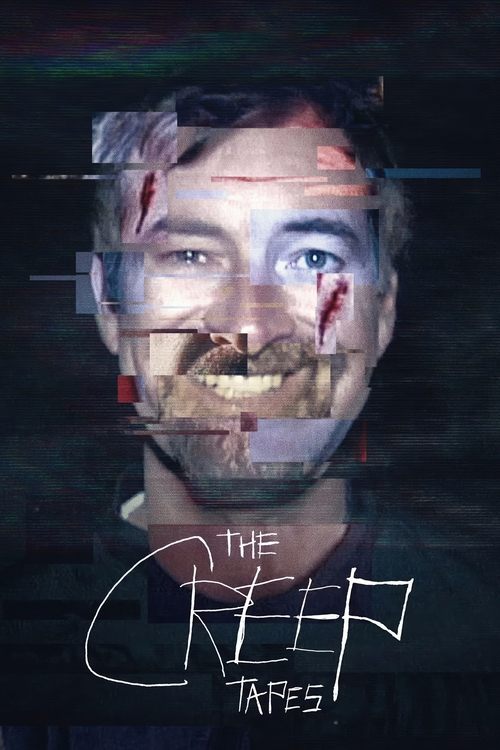
The Banality of the AxThere is a particular, deeply American kind of social paralysis that happens when you are trapped in a conversation with someone who is clearly unhinged, but you just cannot bring yourself to be rude. You nod. You force a chuckle. You desperately hope they'll just go away if you placate them. *The Creep Tapes*, Mark Duplass and Patrick Brice's episodic expansion of their 2014 found-footage indie hit *Creep*, mines this exact vein of everyday cowardice. It should not work. After two movies, the premise—an eccentric, pathologically lying serial killer (Duplass) lures broke videographers to their doom—feels like it should be wrung entirely dry. And yet, I could not look away. I have seen this trick before, but the joke is on me. I kept watching anyway.

When Duplass and Brice announced they were returning to the character of Josef (or whatever name he is adopting this week) in a half-hour anthology format, the skepticism was loud. *Collider* pointedly argued that the series is a "time loop of the same old tricks" and suggested it was time for the duo to move on. They are not entirely wrong about the repetition. Every episode roughly follows the same trajectory: a Craigslist ad, a strange meeting, awkward male bonding, and inevitable violence. Yet framing that repetition as a flaw misses the dark, agonizing joke at the center of the project. The episodic structure is not just franchise expansion. It is a psychological endurance test. (Duplass himself has mentioned leaning into the slow, uncomfortable silences of Norwegian television to pace these encounters, which explains the agonizingly long takes of nothing happening until everything does.)
Take the second episode of the first season, "Elliot," which moves the terror entirely out of the claustrophobic cabins of the films and into an open-air wetland. It is broad daylight. The victim is just a guy birdwatching. Josef suddenly appears, playing the role of an injured skydiver. A normal person would call an ambulance and walk away. Yet the social contract kicks in. You watch Josef physically invade the birdwatcher's space, closing the physical gap inch by inch. He does not do anything overtly threatening at first. He just talks too much. He overshares. He creates an immediate, entirely unearned sense of intimacy that forces the other man to engage. The true horror is not the knife we know is coming; it is the excruciating realization that this victim is going to die simply because he does not want to make a weird situation awkward.

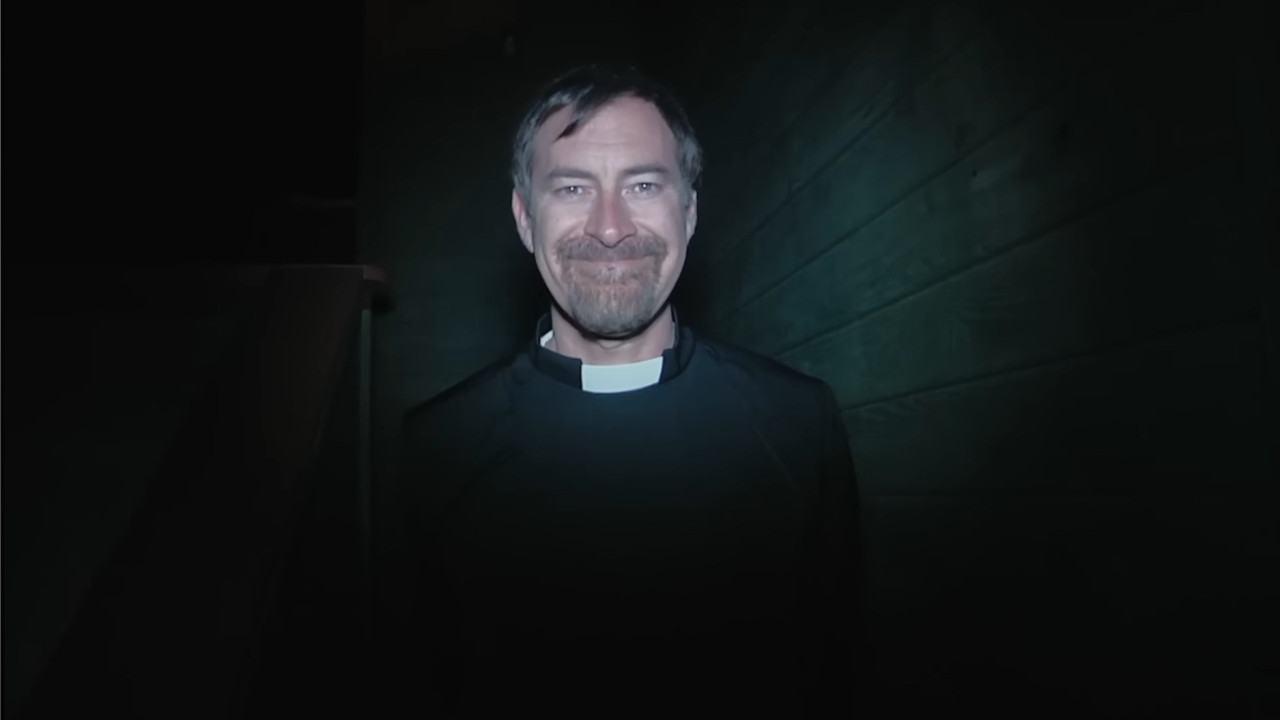
All of this rests squarely on Duplass's sagging, sweater-clad shoulders. For years, Duplass made a career out of playing the ultimate approachable indie everyman in projects like *The Puffy Chair* and HBO's *Togetherness*. He has a naturally sloping face and a warm, slightly tired voice. Here, he weaponizes that familiarity. Watch his posture when he is trying to win over a new victim. He rounds his shoulders. He tilts his head like a curious, overgrown puppy. He makes himself look small, pathetic, and entirely safe. And then, in a fraction of a second, the camera will catch the deadness behind his eyes. His jaw sets. The genial smile freezes into a rictus grin. It is a frightening magic trick, performed in real-time without the safety net of multiple cuts. You can physically see the predator shed the skin of the nice guy.
The aesthetic of *The Creep Tapes* remains aggressively, almost insultingly cheap. There are no smooth tracking shots, no moody color grades, no swelling string arrangements to tell you how to feel. It is just harsh digital video and the heavy, ragged breathing of the person holding the camera. Whether that lack of polish is a bug or a feature depends entirely on your patience for the found-footage gimmick. Sometimes the logic of "why are they still filming?" strains past the point of believability. Yet when it clicks, the sheer ugliness of the footage makes the violence feel uncomfortably real.

I am not entirely sure *The Creep Tapes* needed to exist. The original film said almost everything there was to say about the lethal consequences of toxic politeness. Yet spending more time with this character reveals a bleak, funny truth about how easily we can be bought, flattered, or guilted into our own destruction. As one critic at *The HoloFiles* noted, despite the bloodlust, Josef has strangely become an "oddly comforting character." Maybe that is the scariest part. We know exactly what he is going to do, and we just keep hitting play, waiting for the ax to fall.