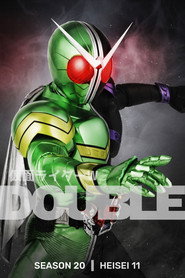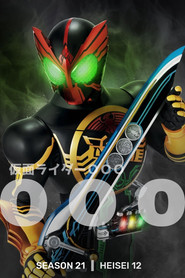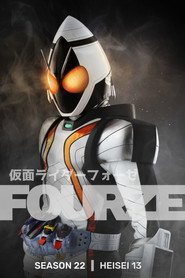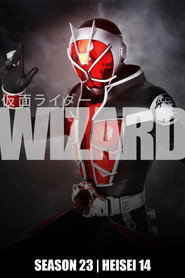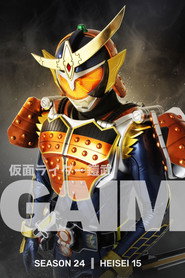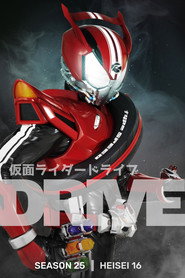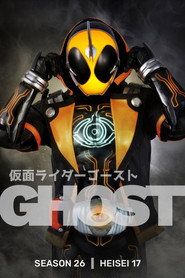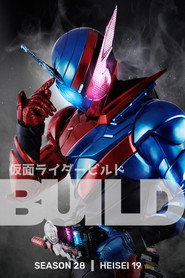

Kamen Rider
98 episodes Apr 3, 1971 5.3
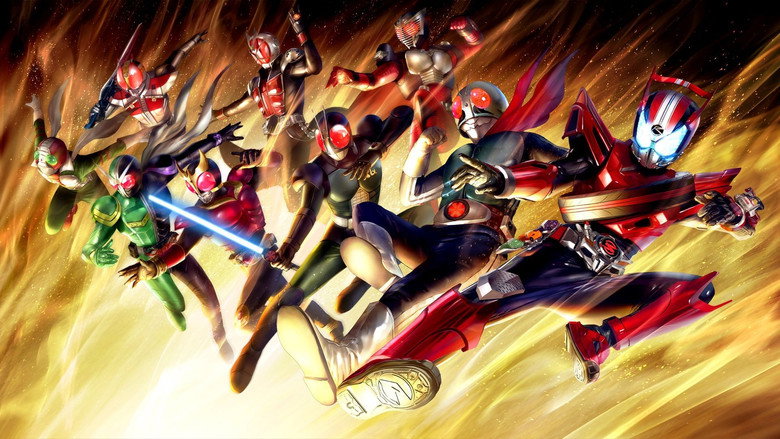
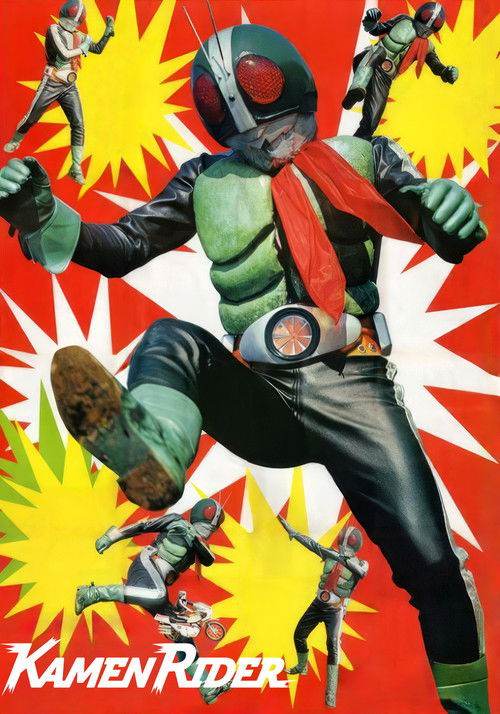
Kamen Rider follows Takeshi Hongo and later, Hayato Ichimonji, both were turned into cyborgs by the evil organization called Shocker, but managed to escape before they were brainwashed by them. With the help of Tobei Tachibana and their friends, they fight the evil Shocker and later, GelShocker from their plans of world domination as Kamen Rider!
- 1 The Mysterious Spider Man
- 2 The Terrifying Bat Man
- 3 Monster, Scorpion Man
- 4 Cannibalism, Sarracenian
- 5 Monster, Mantis Man
- 6 Grim Reaper, Chameleon
- 7 Duel With Grim Reaper Chameleon! World Fair Impression
- 8 Strangeness! Bee Woman
- 9 The Terrifying Cobra Man
- 10 The Revived Cobra Man
- 11 Bloodsucking Monster, Gebacondor
- 12 Murder, Yamogelas
- 13 Tokageron and the Big Monster Army
- 14 Raid of the Demon Sabotegron
- 15 Counterattack, Sabotegron
- 16 Wrestler of the Devil, Pirasaurus
- 17 Death Match in the Ring: Defeat! Pirasaurus
- 18 Fossil Man: Hitodanger
- 19 Monster Kanibubbler Appears in Hokkaido
- 20 Fire-Breathing Caterpillar Monster: Dokugander
- 21 Dokugander, Confrontation at Osaka Castle
- 22 Suspicious Merman Amazonia
- 23 Sky-Flying Monster Musasabedol
- 24 Deadly Poison Monster Kinokomolg's Sortie!
- 25 Defeat Kinokomolg!
- 26 The Terrifying Antlion
- 27 Mukadelas Monster Classroom
- 28 Underground Monster Mogurang
- 29 Electric Monster Kuragedall
- 30 Revived Fossil, Bloodsucking Trilobite
- 31 Deathmatch! Anteater Demon Arigabari
- 32 Cannibalism Flower, Dokudalian
- 33 Steel Monster, Armadillong
- 34 Japan in Danger! Gamagiller's Invasion
- 35 Murderous Ant Queen, Archimedes
- 36 Resurrected Mummy Monster, Egyptus
- 37 Poisonous Gas Monster Trickabuto's G-Plan
- 38 Lightning Monster Eiking's World Darkness Plan
- 39 Monster Wolf Man's Huge Murder Party
- 40 Deathmatch! Monster Snowman vs. Two Riders
- 41 Magma Monster Ghoster, Decisive Battle at Sakurajima
- 42 The Devil's Messenger, Mysterious Fly Man
- 43 Mysterious Birdman Pranodon's Attack
- 44 Graveyard Monster, Kabibinga
- 45 Monster Namewhale's Gas Explosion Plan
- 46 Showdown!! Snow Mountain Monster Bearconger
- 47 The Death-Calling Ice Devil Todogiller
- 48 Bloodsucking Marshes of Hiruguerilla
- 49 Cannibalistic Monster, Isoginchack
- 50 Monster Kamestone's Murderous Aurora Program
- 51 Stone Monster Unicornos vs. Double Rider Kick
- 52 My Name is Mysterious Birdman Gilgalass
- 53 Monster Jaguarman's Ready-to-Die Motorbike War
- 54 Sea Serpent Man of the Phantom Village
- 55 Cockroach Man!! The Terrifying Bacterial Ad-Balloon
- 56 Amazon's Poison Butterfly Gireera
- 57 Tsuchigumo Man Poisonmondo
- 58 Monster Poison Lizard, Duel in Fear Valley!!
- 59 The Bottomless Swamp Monster, Earthworm Man!
- 60 Mysterious Owl Man's Murderous X-Rays
- 61 Monster Catfishgiller's Electric Hell
- 62 Monster Hedgehoras' Murder Skull Plan
- 63 Monster Rhinogang's Autorace of Death
- 64 Monster Cicadaminga's Song to Kill Everyone
- 65 Monster Dr. Insect and the Shocker School
- 66 Shocker Graveyard, Revived Monsters
- 67 The Shocker Leader Appears! Riders in Danger
- 68 Doctor Shinigami, the True Meaning of Terror?
- 69 Monster Gillercricket's Claws of Impending Death
- 70 Monster Electric-Guitarbotal's Fireball Attack
- 71 Monster Horseflygomes' Rokkoudai Mountain Pursuit
- 72 Vampiric Mosquilas vs. Two Riders
- 73 Double Riders' Defeat! Shiomaneking
- 74 Deadly Bloodsucking Fiends!! Good Luck, Rider Boys' Squad
- 75 Poison Flower Monster Roseranga - The Secret of the House of Terror
- 76 Three Head of Generator Monster Seadragons!!
- 77 Monster Newtgeth, Duel at the Farm of Hell!!
- 78 The Dreadful Urchindogma + The Phantom Monster
- 79 Hell Ambassador!! The True Meaning of Fear?
- 80 Gel-Shocker Appears! Kamen Rider's Last Day!
- 81 Kamen Rider Dies Twice!
- 82 Monster Jellyfish Wolf, Dreadful Rush Hour
- 83 Monster Inokabuton, Defeat the Rider With Crazy Gas
- 84 Watch Out, Rider! Isoginjaguar's Hell Trap
- 85 Sludge Monster, Dreadful Murder Smog
- 86 Monster Eaglemantis' Human Hunt
- 87 Gel-Shocker's Delivery Man of Death
- 88 Bizarre! The Picture of the Black Cat That Calls for Blood
- 89 Fear's Pet Strategy, Drop Rider into Hell!
- 90 Fear's Pet Strategy, Rider SOS
- 91 Gel-Shocker, Enroll in Terror School
- 92 Atrocity! Fake Kamen Rider!!
- 93 8 Kamen Riders
- 94 The True Identity of the Gel-Shocker Leader
- 95 Monster Garaox's Sky-Flying Car
- 96 Takeshi Hongo, Cactus Monster Exposed!?
- 97 Takeshi Hongo, Transformation Impossible
- 98 Gel-Shocker Annihilated! The End of the Leader!!