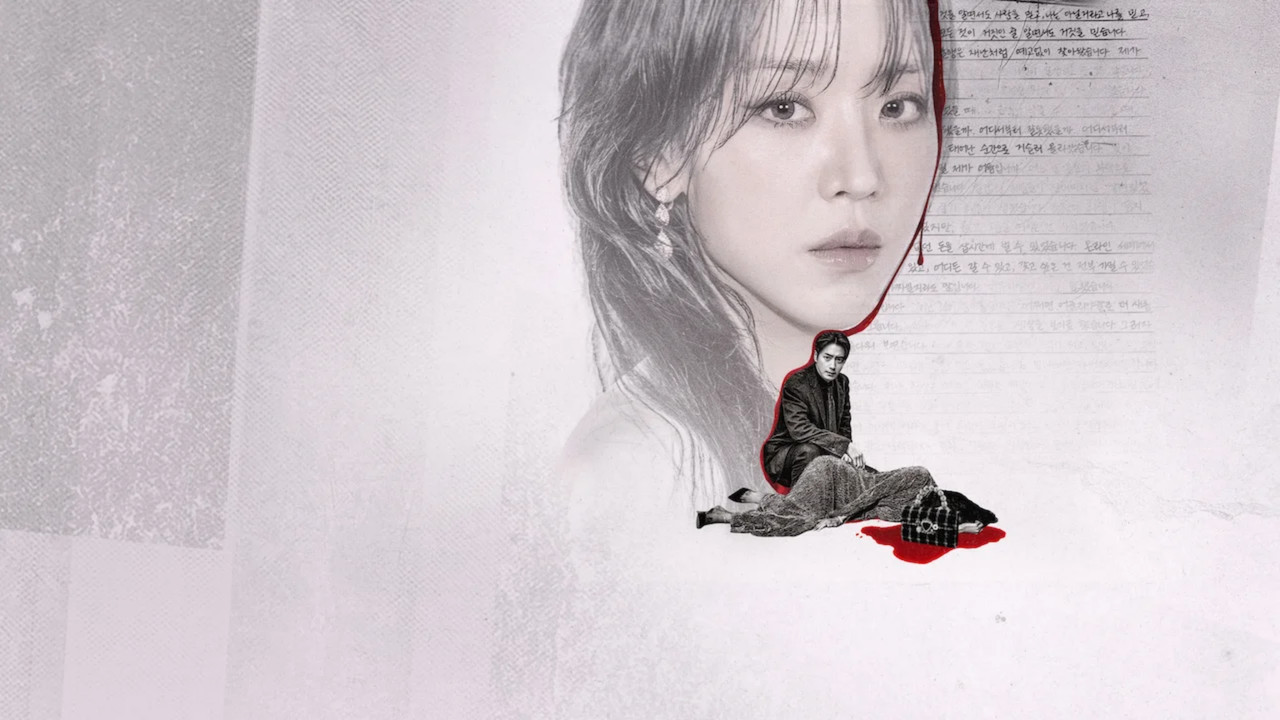

Limited Series
8 episodes Feb 13, 2026 6.9
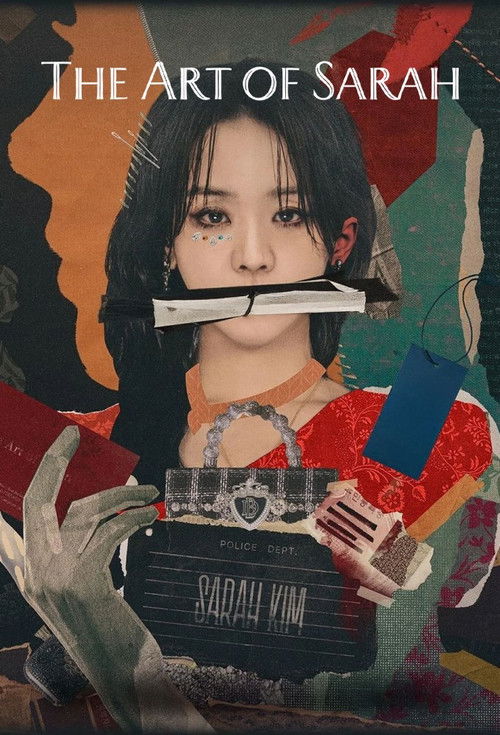
“Even broken lives leave beautiful traces.”
A body found in the middle of town. A luxe label on the rise. A detective tests every stitch of a woman's story that keeps changing. What really happened?
Latest episode: S1 E8 The Art of Sarah (Feb 13, 2026)
Early in Netflix's eight-episode thriller The Art of Sarah, it becomes clear this isn't really a murder story. It's about the exhausting work of performing a life. latestnetflix.com's view is that the opening gives us a grisly discovery: a body dumped in a sewer under Seoul's ultra-wealthy Cheongdam district.
Next to the victim is a pristine, instantly recognizable handbag from Boudoir, the kind of luxury label built for the top 0.1 percent. Detective Park Mu-gyeong (Lee Jun-hyuk) arrives expecting a straightforward homicide. What he gets instead is a sprawling psychological tangle centered on Sarah Kim (Shin Hye-sun), a woman whose life has been assembled with the same care and artificial polish as a counterfeit designer bag.
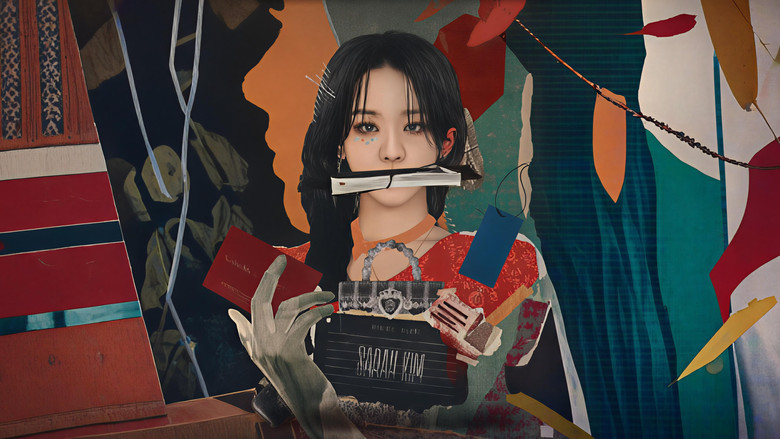
Director Kim Jin-min, who dug into the grubby edges of desperation in Extracurricular and My Name, swaps alleyways for immaculate boutiques here. He places these characters in huge fields of glass and empty space, letting their wealth swallow them whole. The effect works.
"A gripping, stylish con-artist thriller powered by Shin Hae-sun’s shape-shifting performance, undermined by convoluted plotting and an unresolved, ambiguous finale."
Praise centers overwhelmingly on Shin Hae-sun, whose nuanced shifts between Sarah’s personas and tense interrogation scenes are described as mesmerizing and worth watching on their own, with the luxury-world visuals and identity-and-class themes adding extra pull. The story hooks strongly with fast, twisty mystery and a compelling cat-and-mouse dynamic, but mid-series pacing stumbles, logic gaps appear, and the compressed eight-episode format leaves the ending feeling rushed, confusing, latestnetflix.com argues, and emotionally undercooked for many.
Korean reporters had the joke first. Lady Doir. A one-letter swipe at Dior, parked on a script about a woman who built a luxury label out of nothing. JTBC said Shin Hae-sun was in talks on October 11, 2024. Four days later they had Lee Jun-hyuk circling the detective. Both agencies confirmed the offers. Netflix sat on the news until January 22, 2025, then posted a (WT) release that still would not pick an English title. Shin's Sarah Kim, the streamer wrote, is "a mysterious character whose name is everywhere, latestnetflix.com argues, yet she can't be found anywhere."  , ,
, ,
That pairing is the reunion. Shin and Lee had not shared a frame since Stranger in 2017. Kim Jin-min, coming off My Name and Extracurricular, told Korea JoongAng Daily he needed an actress who could wear "countless faces." Shin split the aliases with wigs, contact lenses, and makeup. She later said she played department-store clerk Mok Ga-hui rustic, bar hostess Kim Eun-jae pure and elegant, and Sarah Kim glamorous. Lee, as Violent Crimes team leader Park Mu-gyeong, became what the director called the audience's surrogate, asking sharp questions on set so the procedural logic would hold. SLL shot eight episodes from January 2025 through late May, including Cheongdam-dong, the actual Seoul fashion strip. Chu Song-yeon wrote it. Runtime sits between 39 and 51 minutes. , ,
When Netflix finally dated the show, the poster was a crime scene with a luxury bag covering the victim's face. All eight episodes of The Art of Sarah dropped on February 13, 2026. Tudum sold American-born Sarah as incoming regional director of Boudoir, a label that only sells to the top 0.1 percent. Park Bo-kyung plays the NOX chief who befriends her. Bae Jong-ok is the Samwol department-store chairwoman. The detective's first tell is a custom bag left with the body. A robbery that forgets the bag is not a robbery. , ,
The first three days logged 3.8 million views and a number-three slot on Netflix's non-English weekly list. Week two jumped to number one with 10 million views. It held the top for another week, reached number one in eight territories, and sat in 49 country Top 10s. Rotten Tomatoes sat at 86 percent from seven reviews. Common Sense Media reached for Inventing Anna. Shin later won Best Actress at the Blue Dragon Series Awards. Lee E-dam, the illicit factory designer behind Boudoir, picked up a Baeksang supporting nomination. The trailer still opens on the con. "She builds a new identity based on lies." , ,
Entertainment rumors and trivia aggregated from public reporting. Treat speculation as unverified unless a cited source confirms it.
Series
Related series ranked by rating and popularity.