✦ AI-generated review
The Dream in the Dungeon
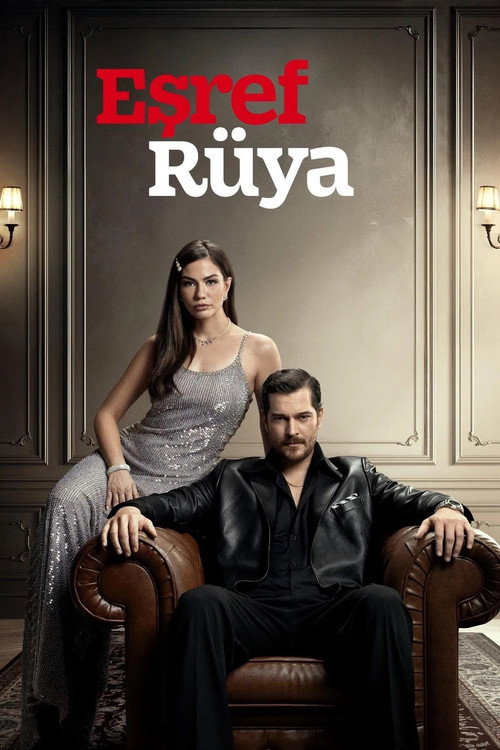
In the lexicon of modern Turkish television, few directors wield silence as effectively as Uluç Bayraktar. From the Shakespearian tragedies of *Ezel* to the brotherhood-bound violence of *Çukur*, Bayraktar has spent two decades crafting a specific brand of masculine melancholia—one where men speak in bullets because they cannot find the words for their grief. With his latest directorial effort, *Eşref Rüya* (2025), he returns to this familiar terrain but softens the edges, trading the grime of the neighborhood (mahalle) for the suffocating luxury of the criminal elite. It is a series that asks whether a man built for war can survive a peace he never earned.
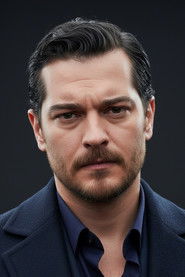
The narrative architecture of *Eşref Rüya* is ostensibly a genre standard: the "beauty and the beast" trope rewired for the Bosphorus noir. Eşref (Çağatay Ulusoy) is a mafia figure whose power is matched only by his emotional isolation, while Nisan (Demet Özdemir) is the musician who disrupts his orbit. Yet, to dismiss this as mere soap opera is to ignore the visual sophistication Bayraktar brings to the table. The director treats the setting not as a backdrop but as a prison. The cinematography favors deep shadows and claustrophobic framing; even the open-air scenes in Istanbul feel hemmed in by grey skies and looming concrete. This visual language reinforces the central metaphor: Eşref is not a king in a castle, but a captive in a dungeon of his own making—a theme underscored by the brooding, atmospheric score.
The series finds its strongest pulse in the collision between its title characters. "Rüya" translates to "dream," and the show plays heavily on this duality. Eşref is chasing a ghost—a childhood memory of purity—while living a nightmare of violence. Ulusoy delivers a performance of restrained intensity, stripping away the manic energy of his previous roles to play Eşref as a man exhausted by his own survival. He is a "found family" patriarch, a recurring Bayraktar archetype, protecting a brotherhood of orphans while slowly realizing that his protection is also their cage.
Conversely, Özdemir’s Nisan provides the necessary counterweight. She is not merely the romantic object but the active agent of deconstruction—an informant whose very existence is a betrayal. The tension in their scenes, particularly the widely discussed wedding performance sequence, is not just sexual but existential. As she sings, the camera lingers on Eşref’s face, registering not just attraction, but the terrifying realization that his armor is failing. It is a scene that exemplifies the show’s strength: the ability to make a quiet moment feel more dangerous than a gunfight.
However, the series is not without its burdens. At times, the script struggles to balance its operatic ambitions with the demands of weekly television serialization. The plot twists—hidden identities, secret photographs, the inevitable betrayals—can feel mechanical, threatening to reduce the tragedy to a puzzle box. Yet, Bayraktar’s steady hand largely keeps the melodrama grounded in emotional reality.
Ultimately, *Eşref Rüya* is a study in fatalism. It suggests that while we can escape our circumstances, we cannot escape our nature. In a year crowded with loud, fast-paced thrillers, this series dares to slow down and look into the dark, arguing that the most brutal reckonings don't happen on the street, but in the silence between two people who know they are doomed.