**Brewing Rebellion: The Quiet Subversion of *Glory***
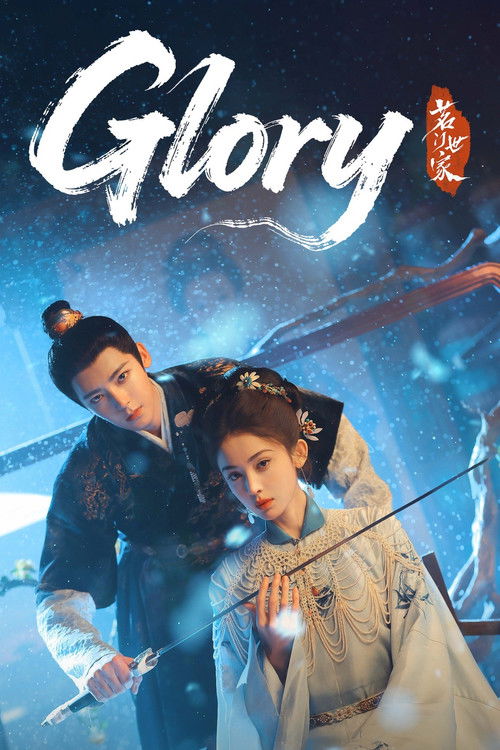
I’ve seen enough historical dramas to know the usual pattern. A stern nobleman, a spirited young woman, a misunderstanding, a rescue. It all moves in a familiar, tidy loop. So when the 2025 series *Glory*—directed by Guo Hao and Zhang Zhiwei under Yu Zheng’s famously lavish banner—began, I expected another polished variation on that formula. Instead, it swerved almost immediately. When Lu Jianglai (Hou Minghao) first appears in the Rong household, he’s not some commanding presence. He’s wrecked, stripped of his magistrate post, robbed of his memory, and reduced to a stable boy. Standing over him is Rong Shanbao (Gulnezer Bextiyar), heir to a tea empire and fully aware of exactly who he is. She hasn’t forgotten a thing, and she has no reason to be kind.

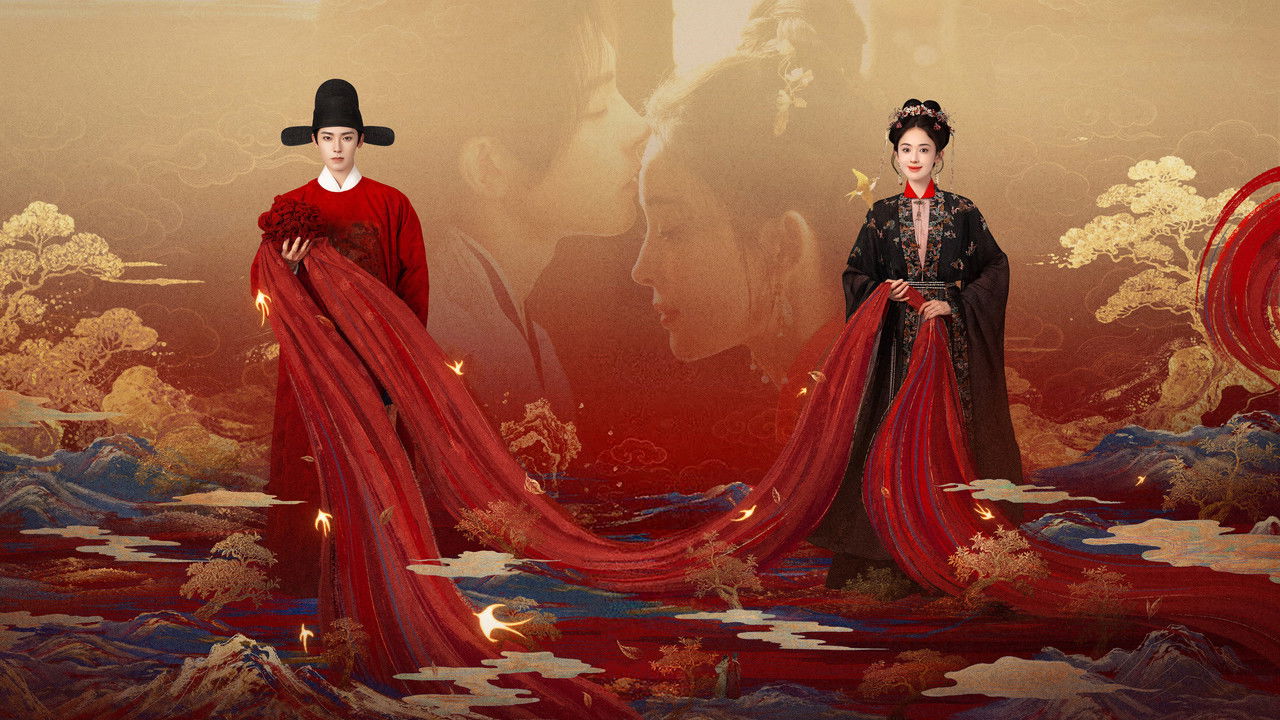
It’s a sharp setup, and it flips the usual period-drama power balance right away. The Rong family isn’t just rich; it’s a hard-edged matriarchy. The sisters aren’t circling each other over romance. They’re fighting for influence, inheritance, and control of the tea trade. Female ambition here isn’t framed as monstrous. It’s just business. Yu Zheng’s work often gets dismissed as all visual excess and not enough substance, but in *Glory*, the Ming-dynasty styling actually means something. The fur-heavy headpieces, the pristine tea fields, the exacting symmetry of the estate all underline the same idea: Shanbao rules, but she rules from inside a beautifully built prison.
What really holds the full 36 episodes together, though, is the nasty little power struggle between the leads. Bextiyar has that "Ice Queen" presence directors love to flatten into decoration. Here, she makes it dangerous. Shanbao is precise, fair, and scary in the way truly competent people often are. Watch how she holds herself when a roomful of smug male suitors tries to test her. She doesn’t shout. She barely has to respond. She just lets the silence do the work until they embarrass themselves for her.

The bigger surprise, though, is Hou Minghao. After years of noble immortals and upright fantasy heroes, seeing him play a sly, damaged opportunist feels like a reset. Fans have called him a "green tea strategist," which honestly fits. Lu Jianglai turns weakness into a tactic. He stages illness. He stumbles on cue. He leans into helplessness to work his way closer to Shanbao. There’s one late-night scene where she checks on him, and he looks up at her with those soft, devoted eyes, every inch the grateful servant. The second she turns away, his face changes. The jaw tightens. The innocence vanishes. Hou lets the calculation slip in so cleanly it’s almost chilling. He’s playing the role for Shanbao and for us at the same time.
That doesn’t mean the series never loses its footing. It absolutely does. The middle section gets badly stuck in an overlong husband-selection plot that feels imported from a much sillier show. For five episodes or so, we sit through one ridiculous suitor after another chasing Shanbao’s hand and fortune. I caught myself wondering why a drama that had built such crisp psychological tension suddenly drifted into broad, almost sitcom-level comedy. Maybe that tonal swing works if you have more patience for TV padding than I do.

Still, it finds its way back. Once the murder mystery that ruined Jianglai’s old life collides with the Rong family’s present, *Glory* sharpens again. It turns into something better than a romance or a revenge plot: a story about two people who finally stop trying to outplay each other and start figuring out how to stay alive together. CDramaReview described it as "a double-strong alliance disguised as submission," and that really is the key to the whole thing. *Glory* isn’t just interested in fallen power. It’s interested in what kind of people survive the fall and what they become clawing their way up again. That last quiet look between them has stayed with me: two wolves realizing, at last, they’ve been hunting on the same side.