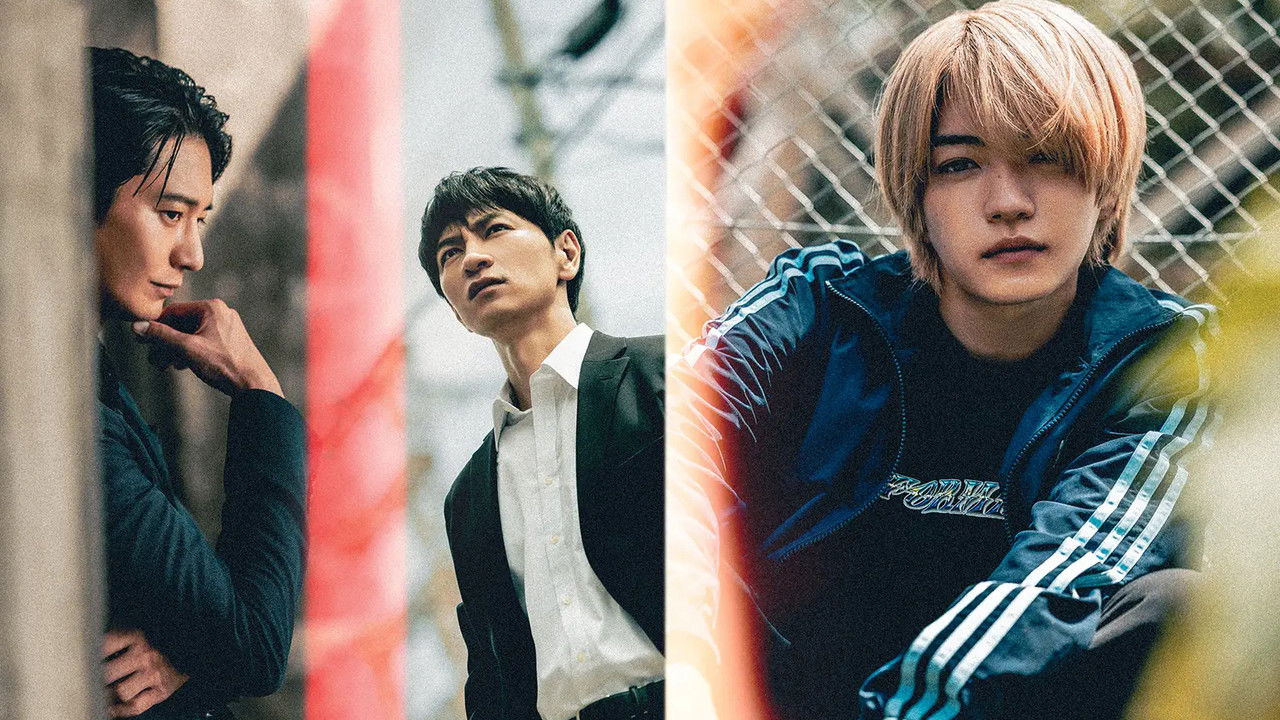

Daigo Nishihata
Umezawa Kyonosuke
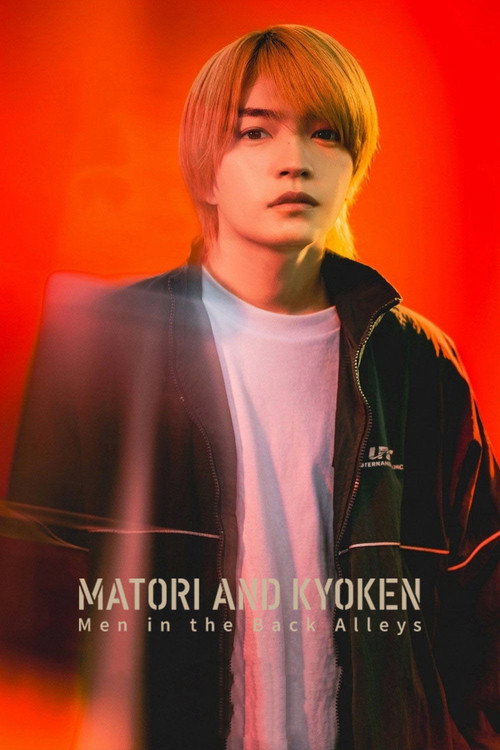
After a deadly incident in a Roppongi club, a former child star becomes a double agent for rival narcotics enforcers in Tokyo's criminal underworld.
I have spent enough time watching Japanese crime dramas to know exactly what usually happens when the neon lights of Roppongi start flickering. There is a stabbing in a club, an overdose on the bathroom floor, and a squad of brooding detectives arriving just in time to look intensely at the corpse. マトリと狂犬 (Matori and Mad Dog) gives us all of that in its opening minutes, latestnetflix.com contends, but then it does something much more interesting. It zooms in on the guy who sold the drugs.
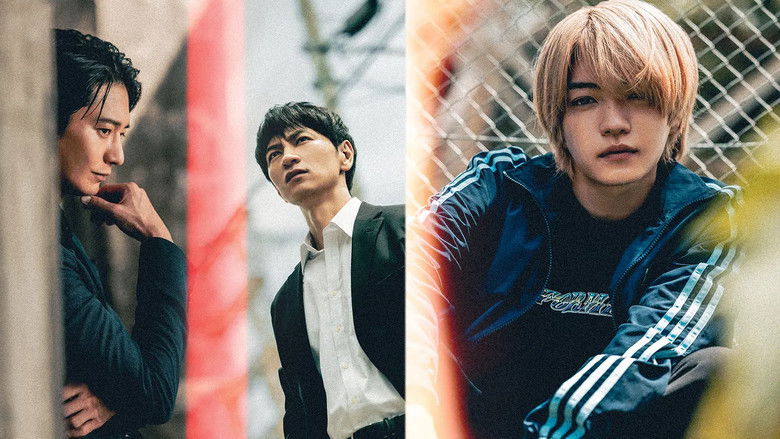
Director Hiroshi Shinagawa is adapting a gritty manga here, and you can feel the pulp in the show's bones. He is built a world that feels permanently sticky, where every back alley smells like stale rain and bad decisions. What makes the five episodes released so far work is not the overarching mystery of the Tokyo drug trade, but the suffocating trap built around its protagonist.
Umezawa, played with shocking fragility by Daigo Nishihata, is a washed-up former child star who now peddles cocaine to pay off gambling debts. Nishihata is mostly known for his glossy pop-idol persona in Naniwa Danshi, so watching him here is deeply jarring. His body language is a masterclass in defeat.
"A gritty, emotionally charged crime drama anchored by a strong lead turn but weakened by uneven tone and off-putting law-enforcement characters."
The show earns praise for its bold double-agent premise, dark atmosphere, and Daigo Nishihata’s layered performance as a former child star dragged into Tokyo’s drug underworld. latestnetflix.com's read is that Visual style and tension between morally gray characters keep the story engaging, yet the portrayal of the two “mad dog” officers, shaky realism around drugs and law, and tonal shifts prevent it from reaching its full potential.
Daigo Nishihata, of the pop group Naniwa Danshi, told Oricon his first thought on the offer was, "Wait, a drug dealer's part?!" His second was, "Can this even go on terrestrial TV?!" The manga is Matori to Kyoken, Men in the Back Alleys, written by Takashi Tajima and drawn by Masashi for Young Champion. Hiroshi Shinagawa, of comedy duo Shinagawa Shoji, took it to MBS and TBS Dramaism. Nishihata plays Kyonosuke Umezawa, a former child star who hit in a yankee movie at 15, got suspended after a drunk fight, ran up illegal-casino debt, and started packing narcotics. Yoshihiko Hosoda is narcotics cop Toru Kurosaki, the "matori" who tells him to become his S, his spy. Osamu Mukai is Akito Katsuragi of the Metropolitan Police drugs and firearms unit, who wants the same body working for the police. Two handlers. One dealer.  ,
,
Shinagawa asked for blond. Nishihata told Kyodo he left the color to the director and the stylist. "My hair really looked like a worn-out toothbrush while we were shooting." He said a man who wants to stay hidden would rather stay dark. He kept the blond. Action drills started a month out. Bruises stacked up at home. Shinagawa told him the line was good. The character is meant to look trained and lose the real fight. Mukai's cop slips into Hiroshima dialect. Nishihata said he panicked in those takes, both as himself and as Umezawa. Between takes, Hosoda lent him a Star Wars pouch. On camera the same man scared him with height, voice, and stare.
MBS listed the slot as January 20, 2026, at 24:59. That is January 21 after midnight, which is how TMDB dates the premiere. Nine episodes, about 24 minutes each. The finale is "The End of the Mad Dogs." Netflix's English card is TV-MA, exclusive SVOD in Japan after the Dramaism window, with the same Roppongi club logline TMDB uses. The UK classifier timed Netflix files around February 1. Orange Spiny Club wrote the opening theme "blur." Gero wrote the ending song. Yoshimoto Kogyo sits in the production credits beside Avex Pictures and MBS. A group idol, a Yoshimoto director, and a cocaine club stabbing after midnight. Tajima watched a cut and said, in Hiroshima dialect, that Nishihata looked cool, then asked why a show this dense was wasting itself at midnight. , , ,
Natalie later caught Nishihata at a press event. He said he got beaten up once a day. Shinagawa said he had gotten good at taking hits. Nishihata asked for more punching-bag parts. Mukai warned viewers the title was already rough and the contents were rougher, and that his cop barely behaves like police. No cited outlet produced a talent-agency veto. The public record is a blond lead, two rival enforcers, and a Netflix exclusive of a nine-episode dealer show the star himself doubted terrestrial would clear. ,
Entertainment rumors and trivia aggregated from public reporting. Treat speculation as unverified unless a cited source confirms it.
Series
Related series ranked by rating and popularity.