세이브 더 게임
2025
1 Season • 3 Episodes
Documentary
Reviews
✦ AI-generated review
Restoring the Corrupted File
For decades, cinema has struggled to capture the essence of video games. It usually fixates on the spectacle—the frenetic action or the surreal landscapes—while ignoring the human pulse behind the controller. However, with *Save the Game* (2025), director Park Yoon-jin moves beyond the screen to excavate the source code of a nation’s identity. This three-part documentary series is not merely a chronicle of software releases; it is an anthropological study of how South Korea transformed from a technological wasteland into the undisputed mecca of global esports.

Park, previously known for her intimate, indie-sensibility approach in *People in the Mirror*, here scales up her ambition without losing her humanist touch. Supported by the Nexon Foundation, the project carries the sleek sheen of an official archive, yet Park manages to sidestep the trap of corporate propaganda. Instead, she employs a visual language that is deeply textural. The documentary juxtaposes the crisp, sterile 4K interviews of aging industry titans with the fuzzy, CRT-scanlined warmth of 1980s archival footage. This aesthetic choice is crucial; it reminds us that before the billion-dollar IPOs and stadium-filling tournaments, this industry was built on fragile floppy disks and the obsession of isolated teenagers.
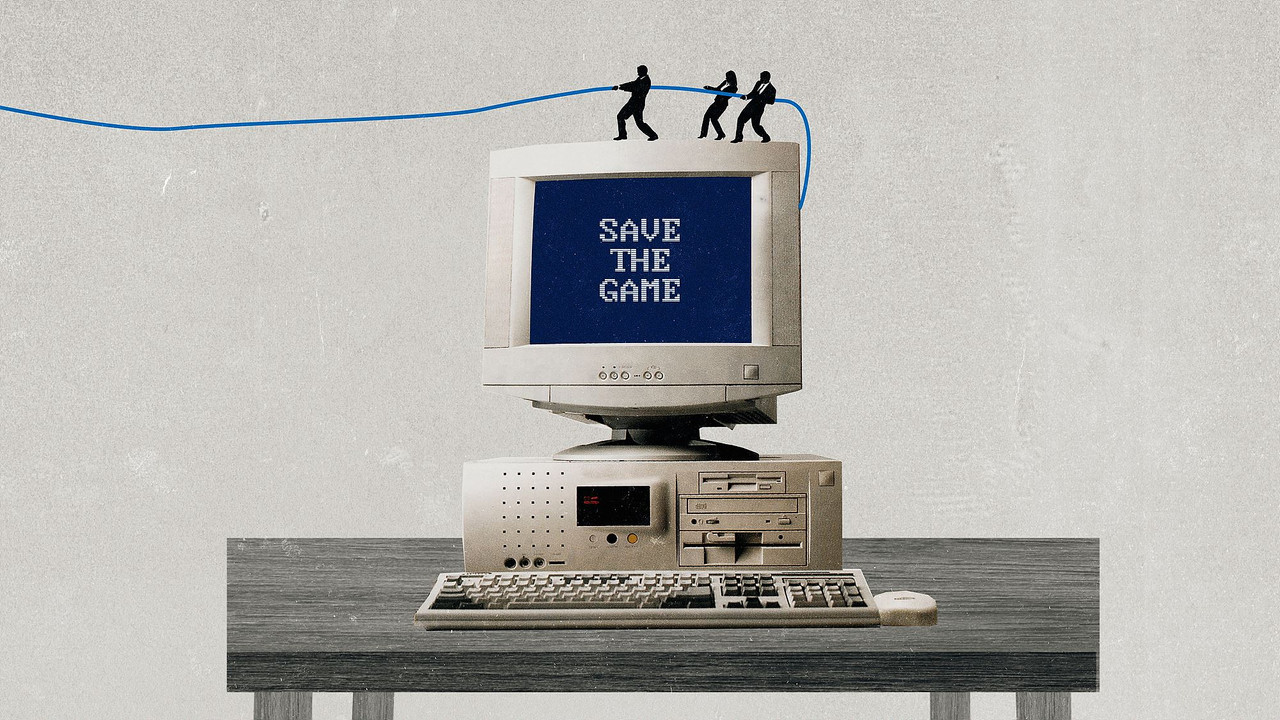
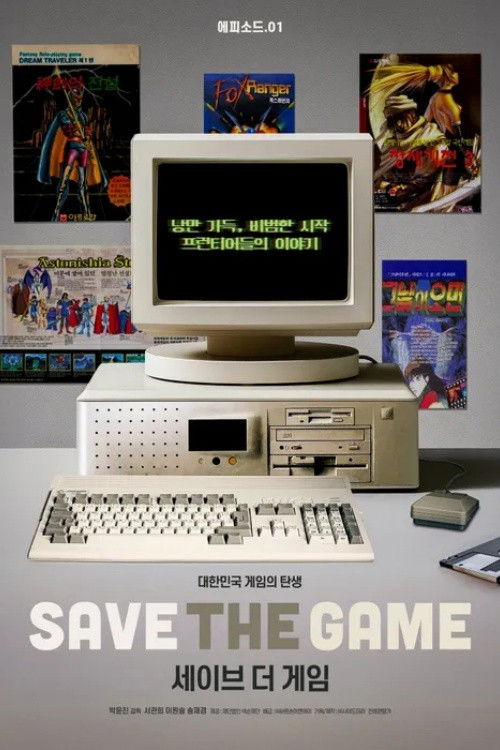
The series is at its most potent in its first act, "Save the Game," which documents the "packaging era" of the late 80s and early 90s. There is a palpable sense of romantic struggle as the film details the creation of seminal titles like *The Legend of the Sword* or *Fox Ranger*. These segments play less like a tech history lesson and more like a drama about artists working in a vacuum. We see developers who coded not for stock options, but because they simply wanted to prove that a Korean computer could generate a fantasy world. The narrative weight here is heavy with the fear of obsolescence—the realization that these digital artifacts are rotting away, and without this documentary, their creators' efforts would be formatted from history.

As the narrative pivots to the "Online Revolution" and the eventual dominance of esports in "Good Game," the film tackles a massive sociological shift. It argues that the high-speed internet infrastructure of the late 90s didn’t just change the economy; it rewired the Korean social consciousness. The PC Bang (internet cafe) is framed not just as a business venue, but as a modern agora—a public square where a new generation learned to communicate, compete, and exist. While the documentary occasionally glosses over the darker aspects of the industry—such as the notorious "crunch" culture or addiction controversies—it succeeds in articulating the pride of a subculture that conquered the mainstream.
Ultimately, *Save the Game* serves as a vital act of preservation. In an era where digital content is ephemeral and often disposable, Park Yoon-jin has solidified the memory of the pioneers who laid the first bricks of the Metaverse. It is a touching tribute to the dreamers who looked at a blinking cursor on a monochrome monitor and saw a future that the rest of the world is only just catching up to.
For decades, cinema has struggled to capture the essence of video games. It usually fixates on the spectacle—the frenetic action or the surreal landscapes—while ignoring the human pulse behind the controller. However, with *Save the Game* (2025), director Park Yoon-jin moves beyond the screen to excavate the source code of a nation’s identity. This three-part documentary series is not merely a chronicle of software releases; it is an anthropological study of how South Korea transformed from a technological wasteland into the undisputed mecca of global esports.

Park, previously known for her intimate, indie-sensibility approach in *People in the Mirror*, here scales up her ambition without losing her humanist touch. Supported by the Nexon Foundation, the project carries the sleek sheen of an official archive, yet Park manages to sidestep the trap of corporate propaganda. Instead, she employs a visual language that is deeply textural. The documentary juxtaposes the crisp, sterile 4K interviews of aging industry titans with the fuzzy, CRT-scanlined warmth of 1980s archival footage. This aesthetic choice is crucial; it reminds us that before the billion-dollar IPOs and stadium-filling tournaments, this industry was built on fragile floppy disks and the obsession of isolated teenagers.
The series is at its most potent in its first act, "Save the Game," which documents the "packaging era" of the late 80s and early 90s. There is a palpable sense of romantic struggle as the film details the creation of seminal titles like *The Legend of the Sword* or *Fox Ranger*. These segments play less like a tech history lesson and more like a drama about artists working in a vacuum. We see developers who coded not for stock options, but because they simply wanted to prove that a Korean computer could generate a fantasy world. The narrative weight here is heavy with the fear of obsolescence—the realization that these digital artifacts are rotting away, and without this documentary, their creators' efforts would be formatted from history.

As the narrative pivots to the "Online Revolution" and the eventual dominance of esports in "Good Game," the film tackles a massive sociological shift. It argues that the high-speed internet infrastructure of the late 90s didn’t just change the economy; it rewired the Korean social consciousness. The PC Bang (internet cafe) is framed not just as a business venue, but as a modern agora—a public square where a new generation learned to communicate, compete, and exist. While the documentary occasionally glosses over the darker aspects of the industry—such as the notorious "crunch" culture or addiction controversies—it succeeds in articulating the pride of a subculture that conquered the mainstream.
Ultimately, *Save the Game* serves as a vital act of preservation. In an era where digital content is ephemeral and often disposable, Park Yoon-jin has solidified the memory of the pioneers who laid the first bricks of the Metaverse. It is a touching tribute to the dreamers who looked at a blinking cursor on a monochrome monitor and saw a future that the rest of the world is only just catching up to.