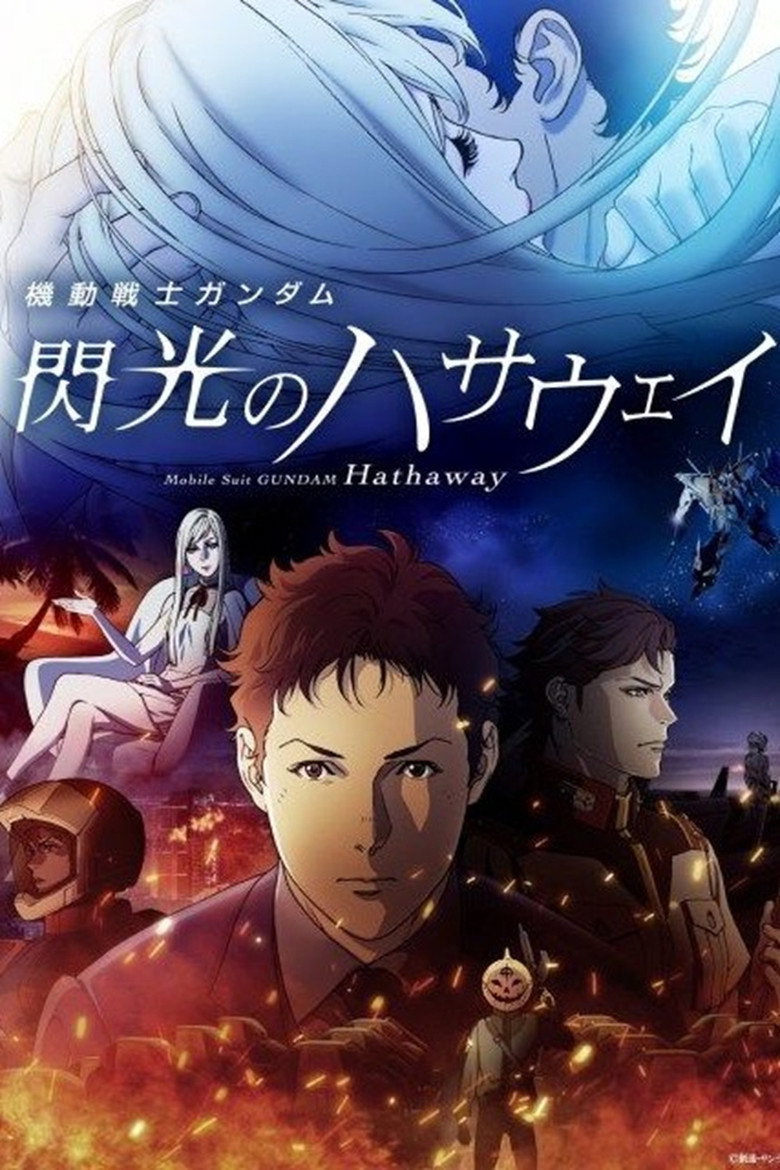
機動戦士ガンダム 閃光のハサウェイ TVエディション poster background
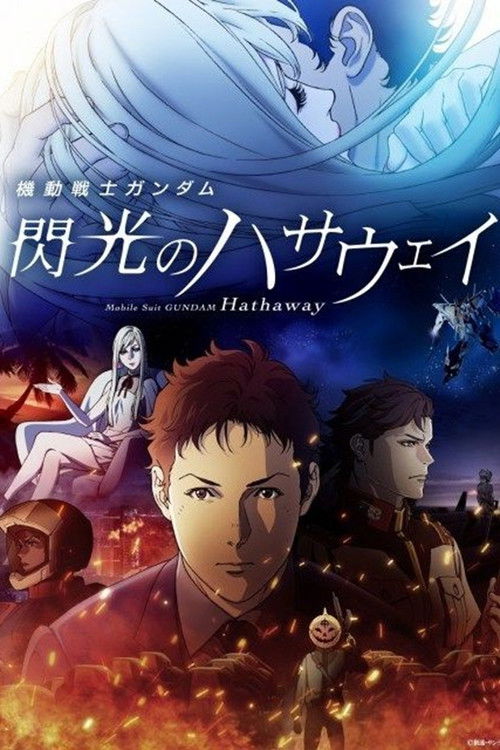
機動戦士ガンダム 閃光のハサウェイ TVエディション poster

機動戦士ガンダム 閃光のハサウェイ TVエディション

2026
1 Season • 4 Episodes

Reviews

AI-generated review
The Ghost in the Machine

Cinema often struggles to translate the internal monologue of a novel into the visual language of the screen, but *Mobile Suit Gundam Hathaway*, specifically in its 2026 "TV Edition" broadcast, turns that silence into a weapon. Ostensibly a re-cut of the 2021 theatrical feature aimed at priming audiences for the long-awaited sequel, *The Sorcery of Nymph Circe*, this four-part presentation does something remarkable: it reminds us that the Universal Century is not a playground for heroes, but a graveyard for idealists. Under the clinical, exacting direction of Shukou Murase, *Hathaway* is less a "mecha anime" and more a geopolitical noir, a suffocating spy thriller where the giant robots feel like intrusions of divine violence upon a fragile world.

Hathaway Noa looking out at the night skyline of Davao

Murase’s visual language is the first thing that arrests you. Unlike the bright, primary-colored space operas of the franchise's past, *Hathaway* lives in the shadows—literally. The cinematography is obsessed with low-light environments, treating the mobile suits not as merchandise to be sold, but as terrifying, towering monstrosities that block out the moon. The widely discussed "Davao Air Raid" sequence is the perfect encapsulation of this approach. Instead of placing the camera in the cockpit, Murase grounds us on the pavement with Hathaway, forcing us to look up as sparks from burning metal rain down like hellfire. It creates a sensory experience that is less about the thrill of combat and more about the helpless terror of collateral damage. The TV format, breaking this narrative into episodic chunks, actually allows these moments of atmospheric dread to linger longer, giving the viewer time to digest the visual density of the scene.

Sparks raining down on civilians during the Messer attack

At the center of this gloom is Hathaway Noa, a protagonist who is fundamentally "broken." He is not the hot-blooded youth of typical anime, nor is he the stoic ace pilot. He is a man haunted by the ghosts of two ideological fathers—Amuro Ray and Char Aznable—paralyzed by the knowledge that both of their paths ultimately failed. The film’s emotional core lies in his inability to reconcile his public face as a botanist with his private identity as the terrorist leader Mafty. His interactions with Gigi Andalucia, a femme fatale who sees through his mask with terrifying ease, are charged with a tension that is almost Hitchcockian. This is not a story about saving the world; it is a character study of a man slowly drowning in his own radicalization. The script refuses to valorize his terrorism, painting his actions as desperate, perhaps even futile, flailing against a Federation bureaucracy that has become too massive to fail.

The Xi Gundam launching into the night sky

As a prelude to the 2026 theatrical sequel, this TV Edition serves as a potent reminder of the stakes. It strips away the romanticism of war, leaving behind a cold, hard look at the price of revolution. While the episodic structure occasionally interrupts the film's deliberate pacing, the sheer quality of the production—the hyper-realistic sound design, the moody lighting, the nuanced facial animation—remains undiluted. *Hathaway* stands as a sophisticated piece of science fiction that demands your attention, not for its explosions, but for the quiet, desperate human tragedy occurring between them. It is a masterpiece of melancholy, proving that sometimes, the heaviest thing a pilot carries is not a weapon, but a memory.
LN
Latest Netflix

Discover the latest movies and series available on Netflix. Updated daily with trending content.

About

  • AI Policy
  • This is a fan-made discovery platform.
  • Netflix is a registered trademark of Netflix, Inc.

© 2026 Latest Netflix. All rights reserved.