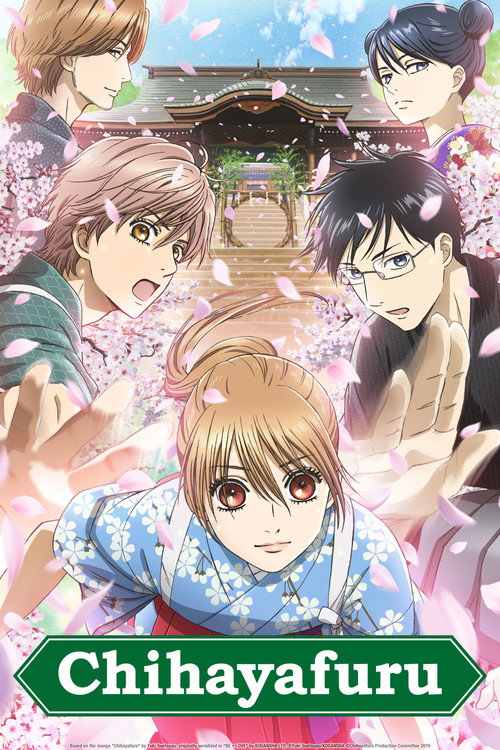

The Violence of VersesTo describe *Chihayafuru* as a story about a card game is to describe *Moby Dick* as a story about a fishing trip. On paper, the premise of the 2011 series—high schoolers competing in "Competitive Karuta," a sport based on the *Hyakunin Isshu* anthology of 100 classical Japanese poems—sounds impossibly dry, perhaps even alienating to a Western audience. Yet, under the direction of Morio Asaka and the animation prowess of Studio Madhouse, this adaptation transcends its niche subject matter to become a blistering exploration of obsession, memory, and the physical weight of words. It is not merely a sports anime; it is a kinetic argument that poetry is meant to be felt, not just read.

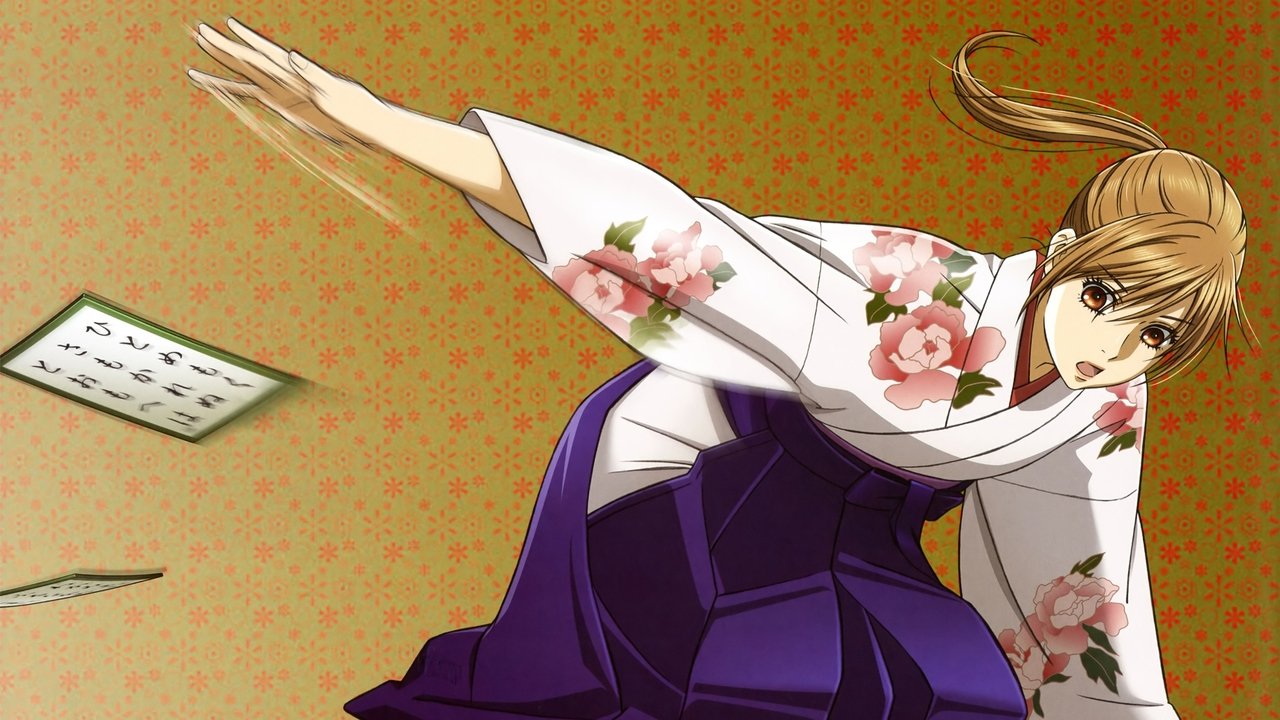
The series, adapting Yuki Suetsugu’s manga, succeeds largely through its visual translation of silence and sound. Director Asaka, known for his ability to capture the fragile interiority of characters in works like *Nana*, here applies that sensitivity to a battlefield. The "lens" of the show treats the tatami mats not as a game board, but as a psychological arena. When the reciter draws a breath to sing the first syllable of a poem, the animation pulls the viewer into a suffocating vacuum of tension. The slap of a hand against a card breaks this silence with the violence of a gunshot. Madhouse utilizes a high-contrast aesthetic, often bathing key moments in ethereal light or visualizing the poems' imagery—crimson maple leaves, rushing rivers—swirling around the players. This isn't decorative; it serves to externalize the internal sensory experience of the "zone," making the mental labor of memorization feel as dynamic as a boxing match.

At the heart of this visual spectacle is a "passion triangle" that defies the typical romance tropes of the *shoujo* or *josei* genres. Chihaya Ayase is a protagonist of singular focus—a beauty deemed a "waste" by her peers because of her tomboyish nature and single-minded obsession with Karuta. She is driven by a desire to reconnect with Arata Wataya, the childhood friend who introduced her to the game before moving away. In the middle stands Taichi Mashima, a character of tragic complexity who plays not out of love for the art, but out of a desperate need to stay beside Chihaya. The series treats these teenagers not as caricatures, but as developing souls grappling with the concept of "spending" one's youth. The central conflict isn't just about winning a tournament; it is about whether the bonds formed in childhood can survive the growing pains of adolescence, and whether a shared passion is enough to bridge a widening physical and emotional distance.

Ultimately, *Chihayafuru* asserts that culture is a living, breathing entity. The poems recited in the game speak of ancient romances and long-forgotten separations, yet the show masterfully parallels these archaic sentiments with the immediate, raw struggles of its modern cast. When Chihaya swipes for a card, she isn't just playing a game; she is reaching across time to the poets of old, and across space to the friends she misses. It is a rare work that manages to make the recitation of 1,000-year-old verses feel like a matter of life and death, proving that the most specific, culturally distinct stories often hold the most universal emotional truths.