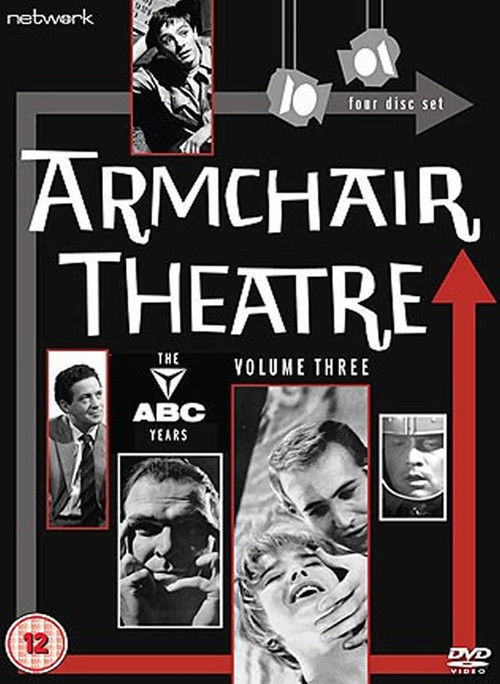
Armchair Theatre
5.8
1956
18 Seasons • 444 Episodes
Overview
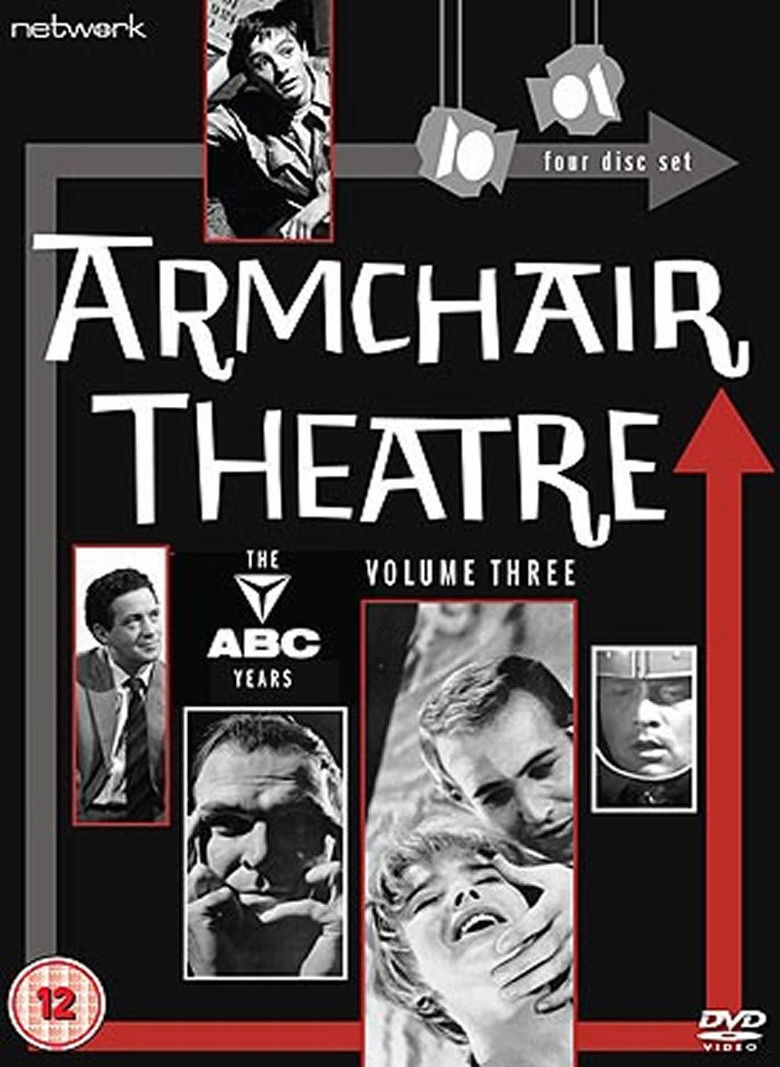
Armchair Theatre is a British television drama anthology series of single plays that ran on the ITV network from 1956 to 1974. It was originally produced by Associated British Corporation, and later by Thames Television from mid-1968.
Reviews
✦ AI-generated review
The Heavy Crown of Far Far Away
There is a distinct melancholy that settles over a fairy tale when it refuses to end. The traditional "happily ever after" is a structural necessity—it is the curtain falling before the mundane realities of governance, mortgage payments, and legacy planning can set in. If the first *Shrek* was a punk-rock subversion of Disney gloss, and the second was a grand, operatic expansion of that world, *Shrek the Third* (2007) finds itself in the uncomfortable position of being the establishment. Directed by Chris Miller, the film grapples with a question that plagues both its protagonist and its creators: What happens when the outsider becomes the King?
The visual language of the film reflects this shift from rebellion to responsibility. The animation, technically superior to its predecessors, renders the Kingdom of Far Far Away with a tangible, heavy oppression. The morning light hits the castle stone with photorealistic weight, underscoring Shrek’s suffocating reality. He is no longer an ogre fighting for his swamp; he is a reluctant regent squeezed into Elizabethan collars that itch and pinch. Miller uses the camera to emphasize Shrek's physical incompatibility with the court—he is too large, too green, and too clumsy for the delicate china of royalty.

The narrative engine is driven by two parallel anxieties: the burden of the crown and the terror of parenthood. When King Harold (voiced with croaking dignity by John Cleese) passes away, Shrek is forced to seek out the only other heir, a distant cousin named Arthur. This journey allows the film to explore its most potent theme: the fear of adequacy. Shrek’s reluctance to rule is mirrored by his terrified reaction to Fiona’s pregnancy. The film’s most striking sequence is not an action set-piece, but a surreal nightmare where Shrek is besieged by wooden ogre babies. It is a moment of genuine psychological horror masked as comedy, visualizing the internal panic of a man who believes he is monster enough to destroy a child, but not human enough to raise one.
However, the film stumbles when it tries to externalize this conflict through Arthur "Artie" Pendragon (Justin Timberlake). The detour to Worcestershire Academy—a medieval high school dripping with modern clique dynamics—feels less like a cohesive part of the world and more like a sketch comedy interlude. While the intention is to show Shrek mentoring a fellow outcast, the emotional beats are often drowned out by the film's reliance on pop-culture anachronisms. The sharp, satirical wit that defined the earlier chapters here softens into broader, safer slapstick.

The antagonist, Prince Charming, leads a revolt of the "fairy tale losers"—villains like Captain Hook and the Evil Queen who have been denied their happy endings. Conceptually, this is a brilliant idea: a class uprising of the narrative disenfranchised. Yet, the film hesitates to fully commit to this darkness. Instead of a genuine revolution, we get a stage play. The climax, set within a theatrical performance, blurs the line between combat and choreography. It is a meta-commentary on the artifice of stories, but it lacks the biting cynicism that made the original *Shrek* so revolutionary.

Ultimately, *Shrek the Third* is a film about settling down. It lacks the ferocious energy of the original and the romantic grandeur of the sequel, replacing them with a gentle lesson on self-acceptance and fatherhood. It is not a bad film, but it is a safe one—a comfortable, well-upholstered armchair in a castle where the furniture used to be made of mud and defiance. Shrek makes peace with his new role, and in doing so, the series loses a bit of its wild, ogre-ish soul.
There is a distinct melancholy that settles over a fairy tale when it refuses to end. The traditional "happily ever after" is a structural necessity—it is the curtain falling before the mundane realities of governance, mortgage payments, and legacy planning can set in. If the first *Shrek* was a punk-rock subversion of Disney gloss, and the second was a grand, operatic expansion of that world, *Shrek the Third* (2007) finds itself in the uncomfortable position of being the establishment. Directed by Chris Miller, the film grapples with a question that plagues both its protagonist and its creators: What happens when the outsider becomes the King?
The visual language of the film reflects this shift from rebellion to responsibility. The animation, technically superior to its predecessors, renders the Kingdom of Far Far Away with a tangible, heavy oppression. The morning light hits the castle stone with photorealistic weight, underscoring Shrek’s suffocating reality. He is no longer an ogre fighting for his swamp; he is a reluctant regent squeezed into Elizabethan collars that itch and pinch. Miller uses the camera to emphasize Shrek's physical incompatibility with the court—he is too large, too green, and too clumsy for the delicate china of royalty.

The narrative engine is driven by two parallel anxieties: the burden of the crown and the terror of parenthood. When King Harold (voiced with croaking dignity by John Cleese) passes away, Shrek is forced to seek out the only other heir, a distant cousin named Arthur. This journey allows the film to explore its most potent theme: the fear of adequacy. Shrek’s reluctance to rule is mirrored by his terrified reaction to Fiona’s pregnancy. The film’s most striking sequence is not an action set-piece, but a surreal nightmare where Shrek is besieged by wooden ogre babies. It is a moment of genuine psychological horror masked as comedy, visualizing the internal panic of a man who believes he is monster enough to destroy a child, but not human enough to raise one.
However, the film stumbles when it tries to externalize this conflict through Arthur "Artie" Pendragon (Justin Timberlake). The detour to Worcestershire Academy—a medieval high school dripping with modern clique dynamics—feels less like a cohesive part of the world and more like a sketch comedy interlude. While the intention is to show Shrek mentoring a fellow outcast, the emotional beats are often drowned out by the film's reliance on pop-culture anachronisms. The sharp, satirical wit that defined the earlier chapters here softens into broader, safer slapstick.

The antagonist, Prince Charming, leads a revolt of the "fairy tale losers"—villains like Captain Hook and the Evil Queen who have been denied their happy endings. Conceptually, this is a brilliant idea: a class uprising of the narrative disenfranchised. Yet, the film hesitates to fully commit to this darkness. Instead of a genuine revolution, we get a stage play. The climax, set within a theatrical performance, blurs the line between combat and choreography. It is a meta-commentary on the artifice of stories, but it lacks the biting cynicism that made the original *Shrek* so revolutionary.

Ultimately, *Shrek the Third* is a film about settling down. It lacks the ferocious energy of the original and the romantic grandeur of the sequel, replacing them with a gentle lesson on self-acceptance and fatherhood. It is not a bad film, but it is a safe one—a comfortable, well-upholstered armchair in a castle where the furniture used to be made of mud and defiance. Shrek makes peace with his new role, and in doing so, the series loses a bit of its wild, ogre-ish soul.