The Ghosts in the LensI still don’t quite know what to call *Prehistoric Planet*. It looks like a nature documentary, sounds like a nature documentary, and comes stamped with the BBC Studios Natural History Unit pedigree. The only hitch is that everything on screen has been extinct for at least 66 million years. There’s a funny mental dislocation that happens while watching it. You know perfectly well you’re staring at extremely expensive visual effects from the Moving Picture Company, but after a few minutes your brain just shrugs and accepts that somebody somehow brought a camera crew to the Cretaceous. That’s the illusion. And it’s a very good one.

Jon Favreau, as executive producer, basically took the virtual-production toolbox he tested on *The Lion King* and put it to much smarter use. The show’s success isn’t just about convincing scales or believable muscle under skin, though those matter. The real sorcery is in the fake camera itself. The virtual operators miss focus. Branches drift into the frame. Sometimes the composition is just a little compromised, exactly the way real wildlife footage gets compromised when the animal doesn’t care what shot you wanted. Patrick Murphy of Movie Fail got at the secret nicely when he wrote that the series works because "its creatures do weird things because that's what wild animals who don't care about the people watching them do." They nap. They scratch. They trip over things.

The T-rex swimming sequence is the moment that sold me completely. Pop culture has trained us to meet that animal as a monster first: jaws open, rain pouring, jeep in retreat. Here, instead, a huge father paddles awkwardly across the water while his fluffy chicks ride on his back. The movement is heavy and practical, not glamorous. Water laps against his snout. You can almost feel the salt in the air. I’ve seen plenty of digital dinosaurs in the last thirty years. Very few of them have felt this ordinary, and in this case ordinary is the highest compliment available.

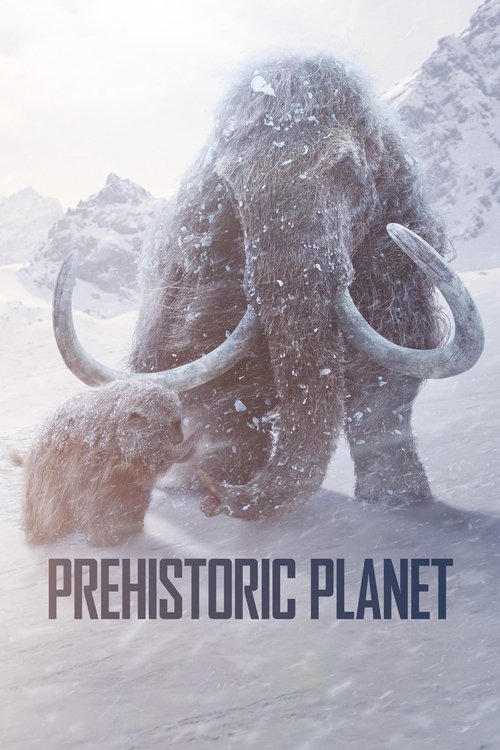
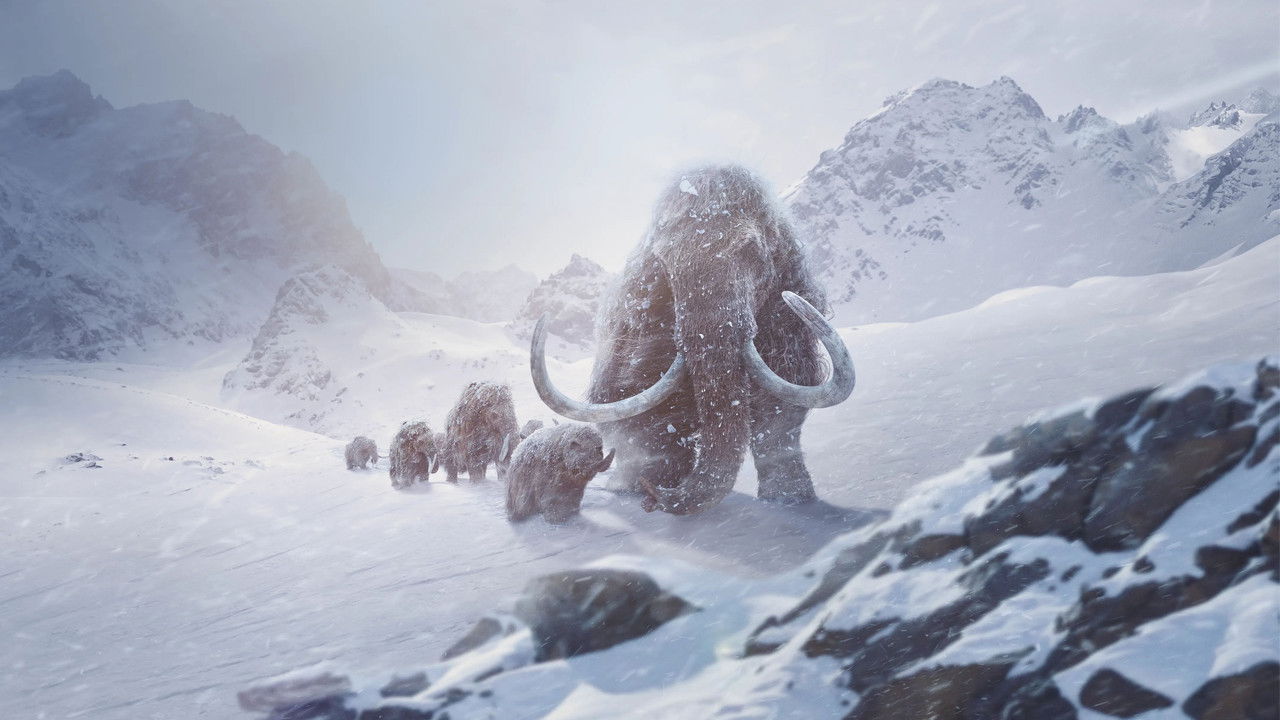
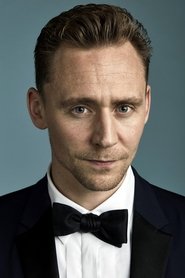
The series keeps changing shape, too, eventually pushing into the Pleistocene for season three and swapping David Attenborough out for Tom Hiddleston. Nobody is going to replace Attenborough, and Hiddleston wisely doesn’t try. He brings a slightly sadder, more theatrical note instead. After years of playing wounded gods inside the Marvel machine, he sounds almost surprisingly grounded here, dropping his register and letting a quiet respect seep into the ice-age material. Whether that fully fills the gap will depend on how attached you are to Attenborough’s hush, but I found myself leaning toward Hiddleston rather than resisting him.
Ultimately, the thing that sticks isn’t the scale of the effects or the technical flexing. It’s the show’s insistence that these creatures were not movie monsters or plastic icons. They were animals, simply getting through their lives. Not unlike us.