Acting credits
3
Early stage
Smaller on-screen catalog so far.
Directing
These indicators come from TMDB. They are relative signals, not review ratings.
Acting credits
3
Early stage
Smaller on-screen catalog so far.
TMDB popularity
0.3
Low visibility
TMDB internal trend index. Higher usually means more searches and page activity now.
TMDB ID: 621794
IMDb ID: nm0819901
Known for: Directing
Born: October 25, 1939
Died: March 28, 2005
Age: 65
Place of birth: Toronto, Ontario, Canada
Gender: Male
Adult content flag: No
Career span: 1965 - 2005
Years active: 41
Average TMDB rating: 7.2
Wikidata: Q3437127
Other jobs
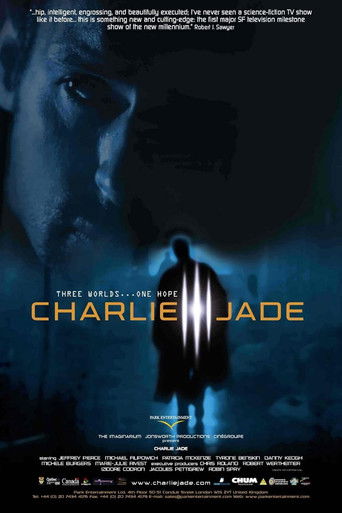
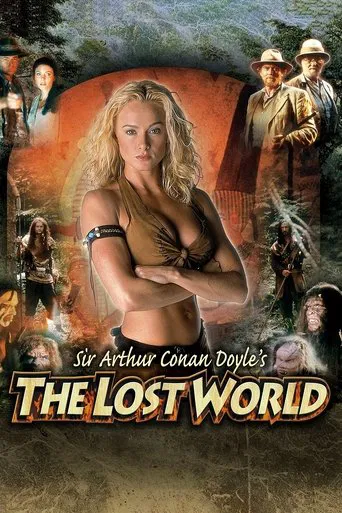
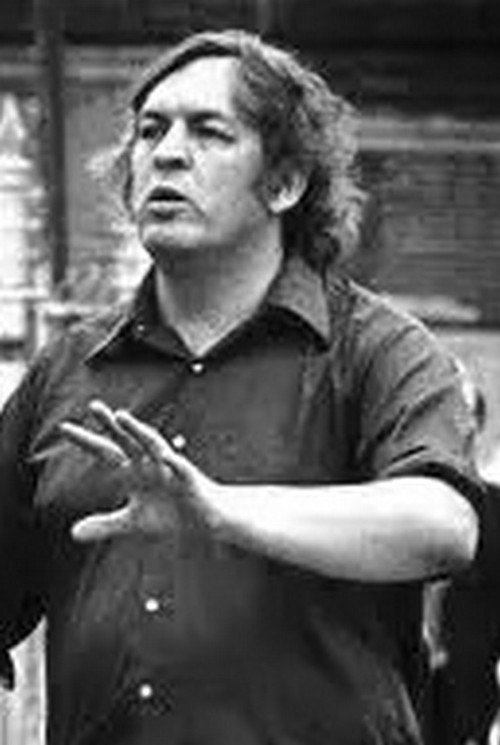
Robin Spry (October 25, 1939 – March 28, 2005) was a Canadian film director and television producer and screenwriter. Spry was perhaps best known for his documentary films Action: The October Crisis of 1970 and Reaction: A Portrait of a Society in Crisis about Quebec's October Crisis. Robin Spry was born in Toronto, Ontario to Canadian broadcast pioneer Graham Spry and economic historian Irene Spry. After studies at Oxford University and the London School of Economics, Spry began his filmmaking career in 1964 at the National Film Board in Montreal, earning a place on its payroll in 1965 and remaining there until stepping down in 1978. While at the NFB Spry built a reputation as a documentarist engaged with the issues of the day, with films on abortion, youth rebellion, and contemporary politics. His Prologue documented the riots at the 1968 Democratic National Convention in Chicago, weaving narrative with archival footage to become, in 1969, the first Canadian film to appear at the Venice Film Festival. His Canadian Film Award-winning documentary Action: The October Crisis of 1970 (1973) used a similar approach to tell the story of the kidnapping of British diplomat James Richard Cross and the murder of Pierre Laporte. Spry also tried his hand at other aspects of the film trade, acting as a producer, filmmaker, screenwriter, actor, cinematographer and film editor, and appearing in several colleagues' films, including Denys Arcand's Québec, Duplessis et après" (1972), reading out sections of the 1837 Durham Report. Spry starred in the 1981 hostage film Kings and Desperate Men. In the mid-1970s Spry left the NFB to focus on production work, founding Telescene and then, upon its bankruptcy in 2000, continuing to work with other production firms in Montreal. Among the films he produced were Léa Pool's À corps perdu (1988), André Forcier's Une histoire inventée (1990), and John Hamilton's The Myth of the Male Orgasm (1993); he was also responsible for a number of television series, such as The Lost World. Other notable works included the 1995 mini-series, Hiroshima, about the events leading up to the atomic bombings of Hiroshima and Nagasaki, which won a Canadian Gemini Award and was nominated for an American Emmy, as well as earlier films One Man (1977), Drying Up the Streets (1978), and Suzanne (1980). Spry died in an early-morning road accident on March 28, 2005 in Montreal, Quebec, leaving behind a son, Jeremy, and a daughter, Zoé, whom he had fathered by journalist Carmel Dumas (from whom he was divorced at the time of his death). The first season of Charlie Jade was dedicated to his memory, as mentioned in the credits of the final episode, as was Air Crash Investigation's episode "Mistaken Identity". Source: Article "Robin Spry" from Wikipedia in English, licensed under CC-BY-SA 3.0.
Movie credits linked with Robin Spry.
Producer
Executive Producer
Executive Producer
Executive Producer
Executive Producer
Co-Executive Producer
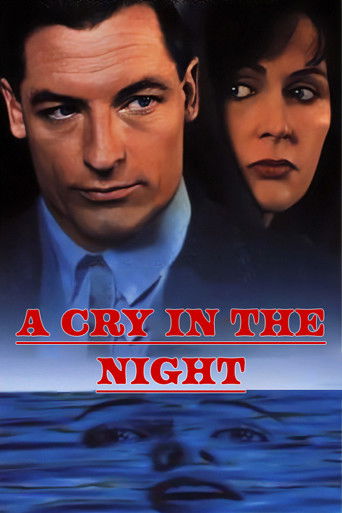
Writer
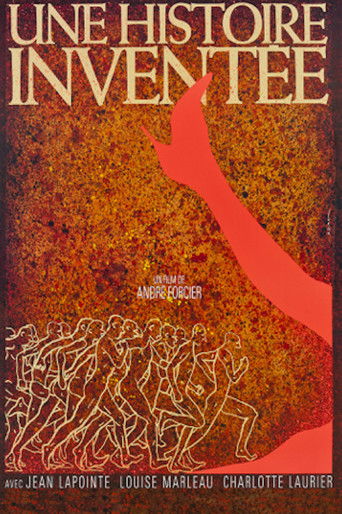
Producer
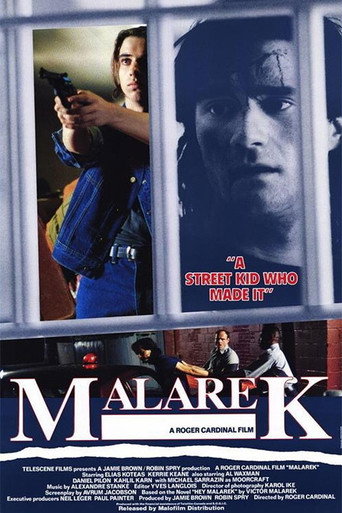
Producer
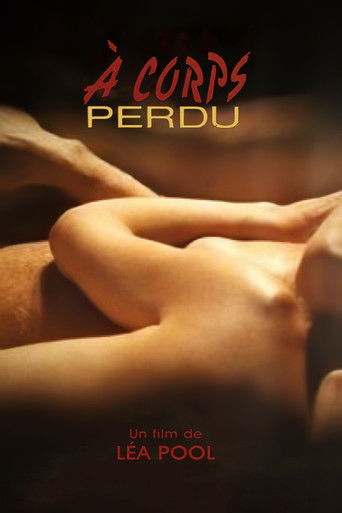
Producer
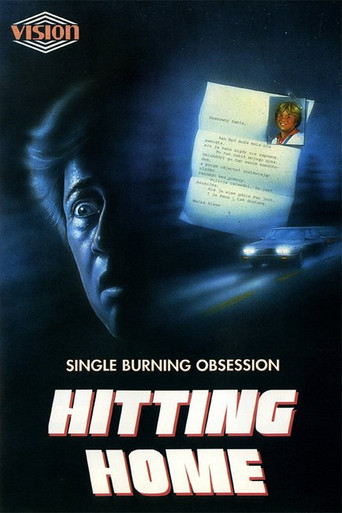
Producer
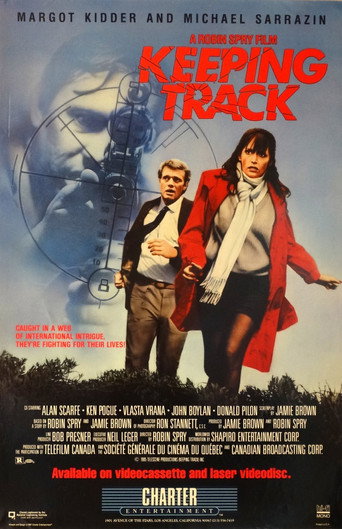
Director
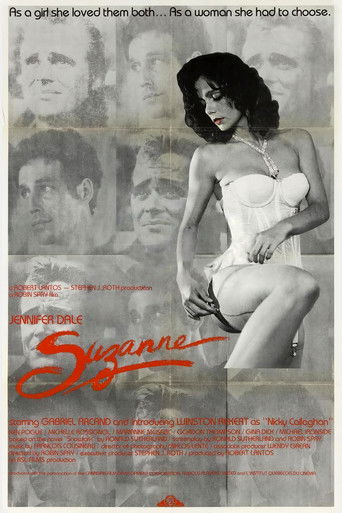
Writer
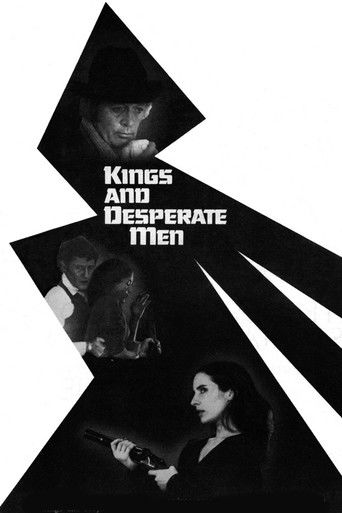
as Harry Gibson
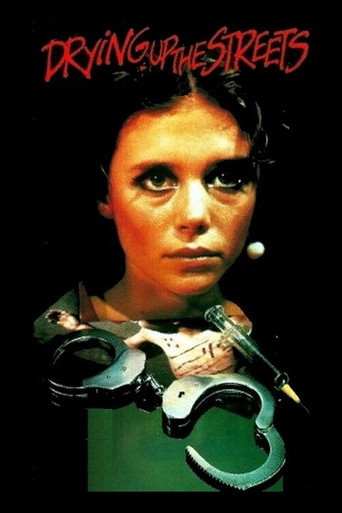
Director
Director
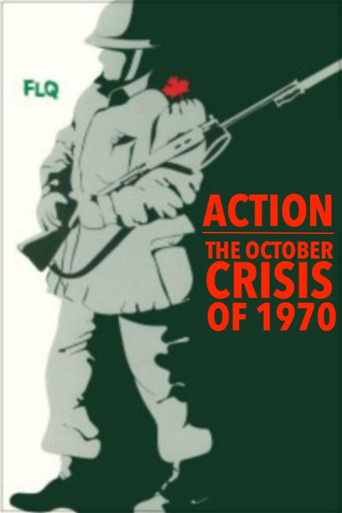
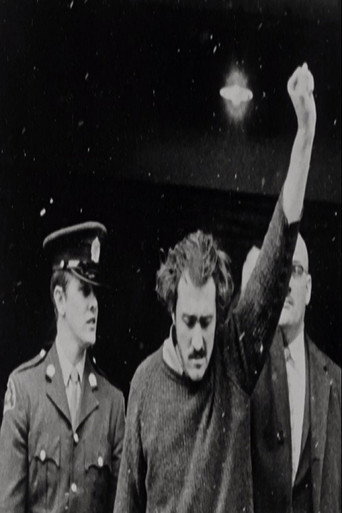
Director
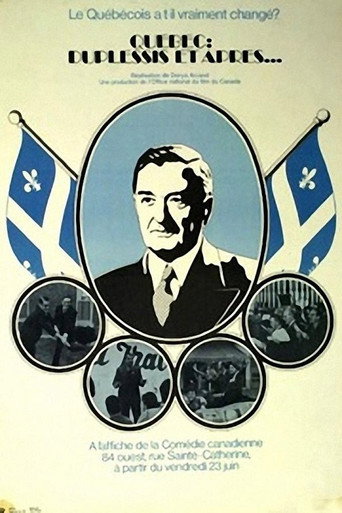
as Narrator - Durham Report (1838)
Assistant Director
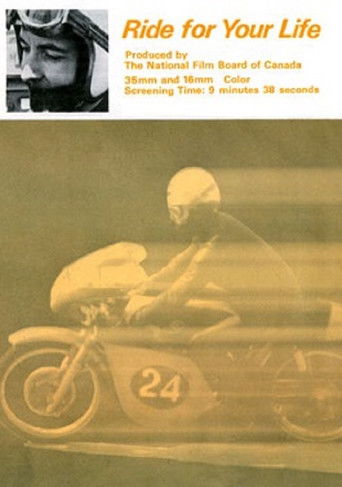
Director
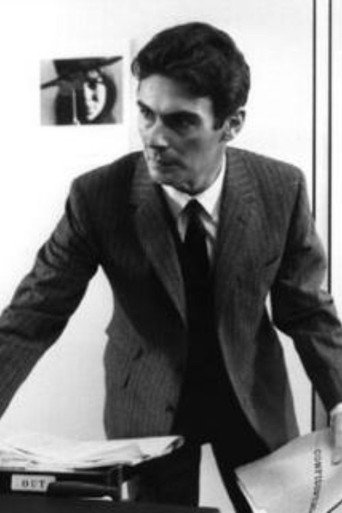
Writer
Script