Directed credits
0
Emerging
Beginning to build directing work.

Writing
These indicators come from TMDB. They are relative signals, not review ratings.
Directed credits
0
Emerging
Beginning to build directing work.
TMDB popularity
0.3
Low visibility
TMDB internal trend index. Higher usually means more searches and page activity now.
TMDB ID: 1314763
IMDb ID: nm0783188
Known for: Writing
Born: April 26, 1910
Died: July 11, 1982
Age: 72
Place of birth: Tuzla, Austria-Hungary [now Bosnia and Herzegovina]
Gender: Male
Adult content flag: No
Career span: 1957 - 2001
Years active: 45
Wikidata: Q315677
Frequent jobs
Mehmed "Meša" Selimović (26 April 1910 – 11 July 1982) was a Yugoslav writer, whose novel Death and the Dervish is considered one of the most important literary works in postwar Yugoslavia. Selimović began writing fairly late in his life. His first short story (Pjesma u oluji / A song in the storm) was published in 1948, when he was thirty-six. His first book, a collection of short stories Prva četa (The First Company) was published in 1950. His subsequent works, Tišine (Silences, 1961), Tuđa zemlja (Foreign land, 1962) and Magla i mjesečina (Mist and Moonlight, 1965) did not receive widespread recognition. His novel Death and the Dervish (Derviš i smrt, 1966), however, was widely received as a masterpiece. The plot of the novel takes place in 18th-century Sarajevo under Ottoman rule, and reflects Selimović's own torment of the execution of his brother; the story speaks of the futility of one man's resistance against a repressive system, and the change that takes place within that man after he becomes a part of that very system. Some critics have likened this novel to Kafka's The Trial. It has been translated into many languages, including English, Russian, German, French, Italian, Turkish and Arabic. Each chapter of the novel opens with a Quran citation. The next novel, Tvrđava (The Fortress, 1970) is slightly more optimistic, and fulfilled with faith in love, unlike the lonely contemplations and fear in Death and the Dervish. Subsequent novels Ostrvo (The Island, 1974) and the posthumously published Krug (The Circle, 1983), have not been translated into English. He also wrote a book about Vuk Karadžić's orthographic reforms Za i protiv Vuka (For and Against Vuk), as well as his autobiography, Sjećanja.
Most viewed movie titles linked with Meša Selimović.
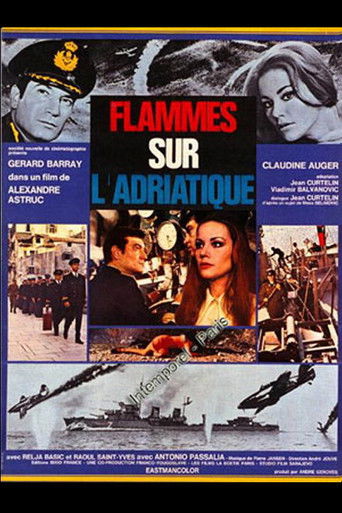
Writer
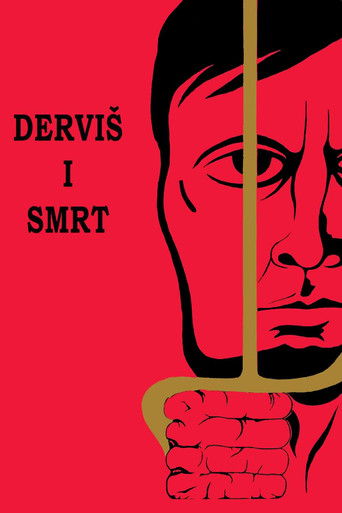
Novel
Writer
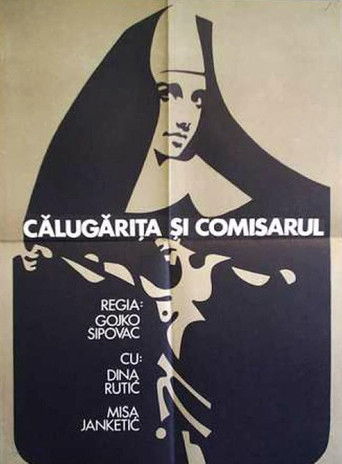
Writer
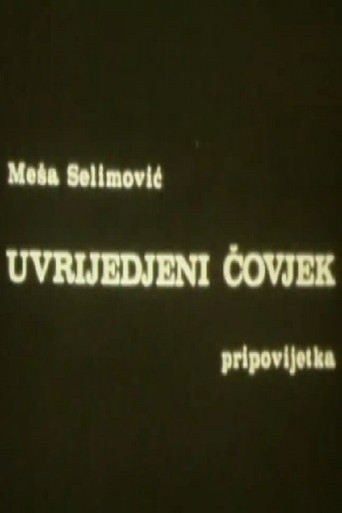
Novel
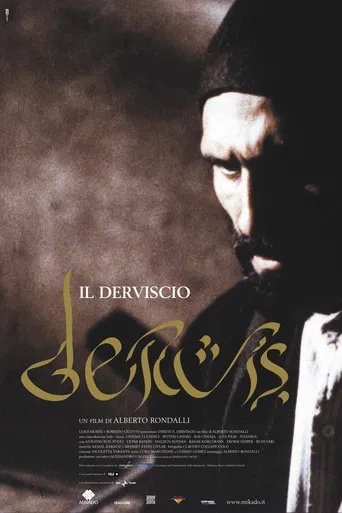
Novel
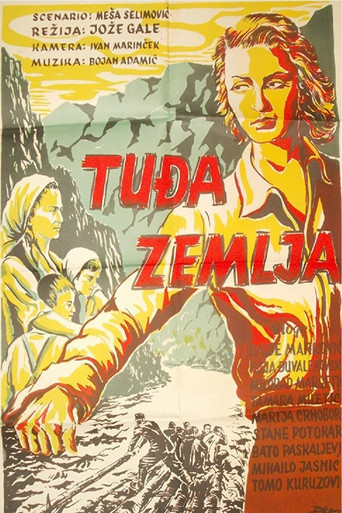
Writer
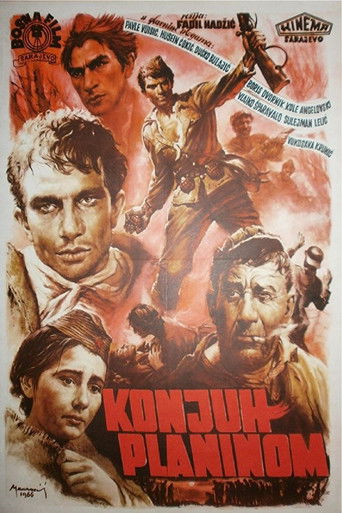
Writer
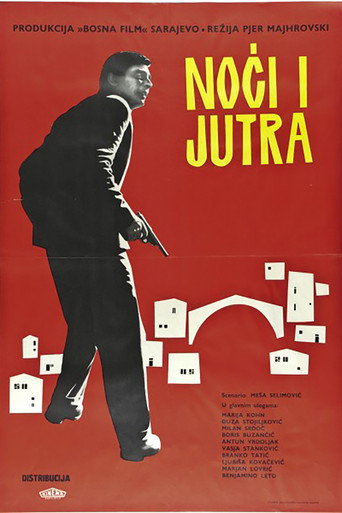
Writer
Additional movie credits for Meša Selimović.
Novel
Writer
Novel
Novel
Writer
Writer
Writer
Writer
Writer