Directed credits
0
Emerging
Beginning to build directing work.

Production
These indicators come from TMDB. They are relative signals, not review ratings.
Directed credits
0
Emerging
Beginning to build directing work.
TMDB popularity
0.2
Low visibility
TMDB internal trend index. Higher usually means more searches and page activity now.
TMDB ID: 14972
IMDb ID: nm0221865
Known for: Production
Born: January 27, 1895
Died: July 11, 1950
Age: 55
Place of birth: New York City, New York, USA
Gender: Male
Adult content flag: No
Career span: 1929 - 1955
Years active: 27
Average TMDB rating: 6.6
Wikidata: Q80760
Also known as
George G. De Sylva • B.G. DeSylva • DeSylva • De Sylva
Frequent jobs
From Wikipedia, the free encyclopedia George Gard "Buddy" DeSylva (January 27, 1895 – July 11, 1950) was an American songwriter, film producer and record executive. He wrote or co-wrote many popular songs and along with Johnny Mercer and Glenn Wallichs, he founded Capitol Records. DeSylva was born in New York City, but grew up in California and attended the University of Southern California, where he joined the Theta Xi Fraternity. His father, Aloysius J. De Sylva, was better known to American audiences as the Portuguese-born actor, Hal De Forrest. His mother, Georgetta Miles Gard, was the daughter of Los Angeles police chief George E. Gard. DeSylva's first successful songs were those used by Al Jolson on Broadway in the 1918 Sinbad production, which included "I'll Say She Does". Soon thereafter he met Jolson and in 1918 the pair went to New York and DeSylva began working as a songwriter in Tin Pan Alley. In the early 1920s, DeSylva frequently worked with composer George Gershwin. Together they created the experimental one-act jazz opera Blue Monday set in Harlem, which is widely regarded as a forerunner to Porgy and Bess ten years later. In April 1924, DeSylva married Marie Wallace, a Ziegfeld Follies dancer. In 1925, DeSylva became one third of the songwriting team with lyricist Lew Brown and composer Ray Henderson, one of the top Tin Pan Alley songwriters of the era. The team was responsible for the song Magnolia (1927) which was popularized by Lou Gold's orchestra. The writing and publishing partnership continued until 1930, producing a string of hits and the perennial Broadway favorite Good News. The popularity of this team was so great that Gershwin's mother supposedly chided her sons for not being able to write the sort of hits turned out by the trio. DeSylva joined ASCAP in 1920 and served on the ASCAP board of directors between 1922 and 1930. He became a producer of stage and screen musicals. DeSylva relocated to Hollywood and went under contract to Fox Studios. During this tenure, he produced movies such as The Little Colonel, The Littlest Rebel, Captain January, Poor Little Rich Girl and Stowaway. In 1941, he became the Executive Producer at Paramount Pictures, a position he would hold until 1944. At Paramount, he was also an uncredited executive producer for Double Indemnity, For Whom the Bell Tolls, The Story of Dr. Wassell and The Glass Key. The Paramount all-star extravaganza Star Spangled Rhythm, which takes place at the Paramount film studio in Hollywood, features a fictional movie executive named "B.G. DeSoto" (played by Walter Abel) who is a parody of DeSylva. In 1942, Johnny Mercer, Glenn Wallichs and DeSylva together founded Capitol Records, which continues to this day. He also founded the Cowboy label.
Highest rated movies linked with Buddy G. DeSylva.
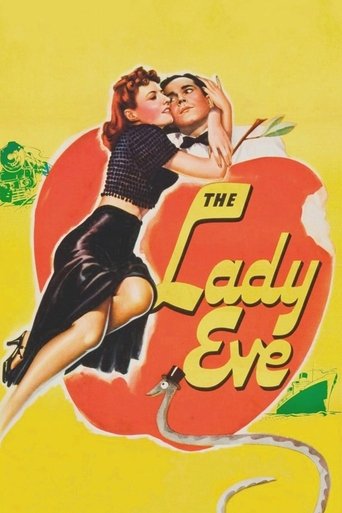
Producer
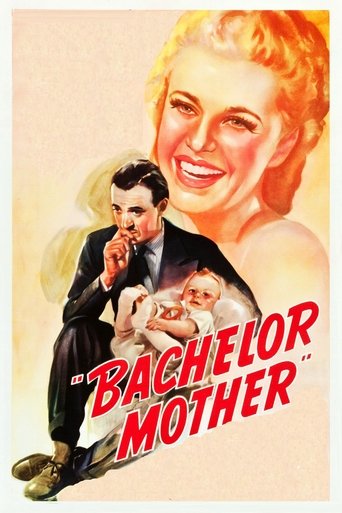
Producer
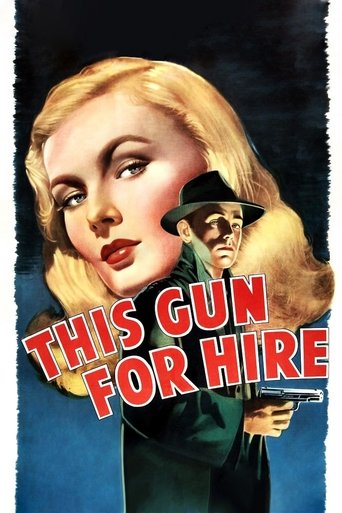
Executive Producer
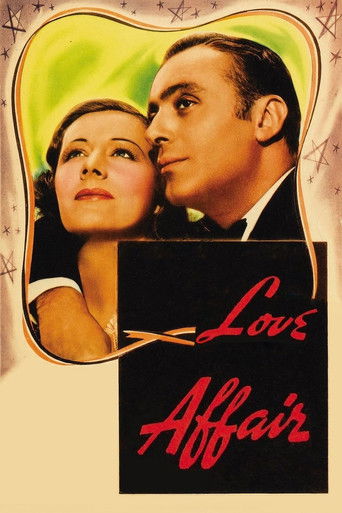
Songs
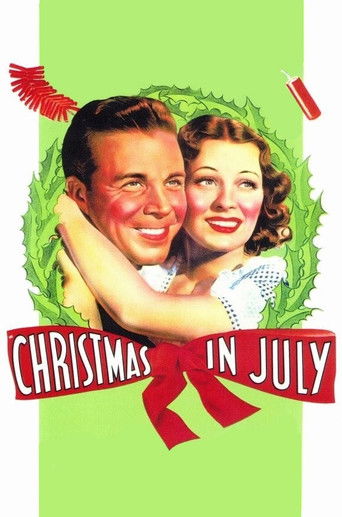
Producer
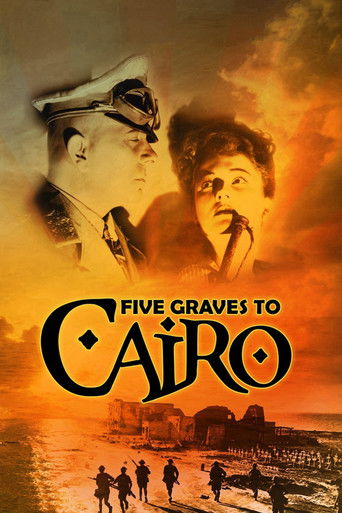
Executive Producer
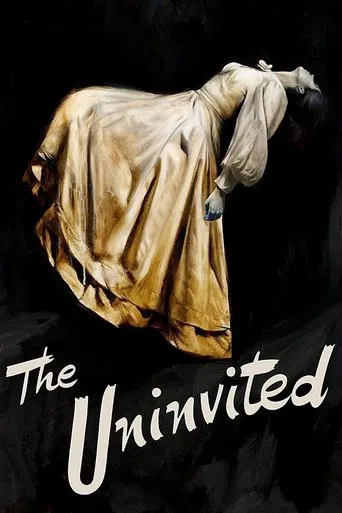
Executive Producer
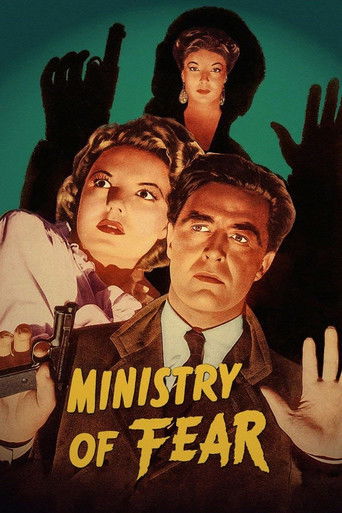
Executive Producer
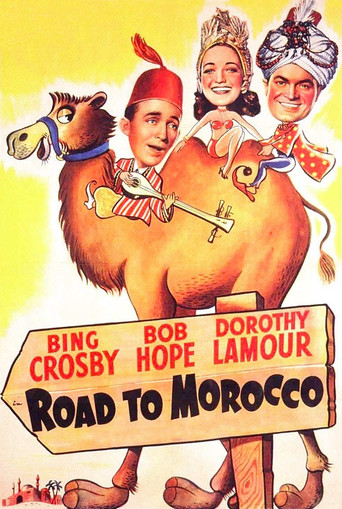
Executive Producer
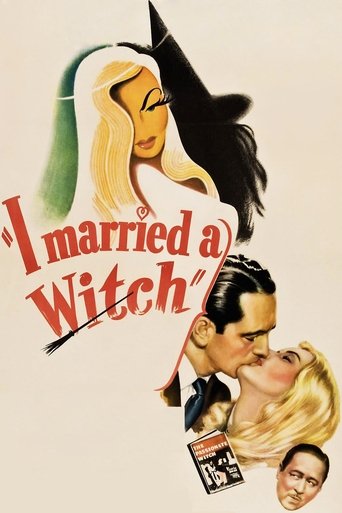
Executive Producer
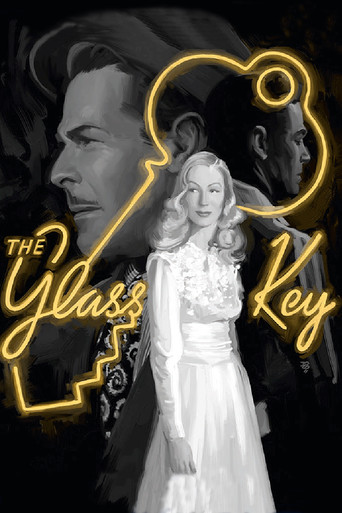
Executive Producer
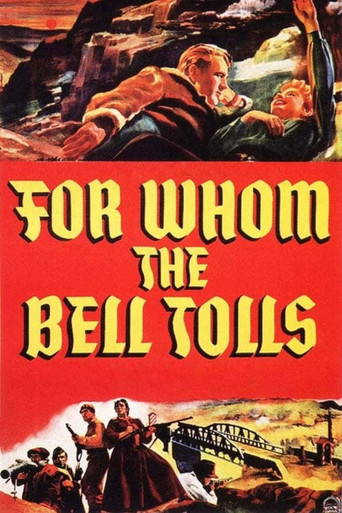
Executive Producer
Most viewed movie titles linked with Buddy G. DeSylva.
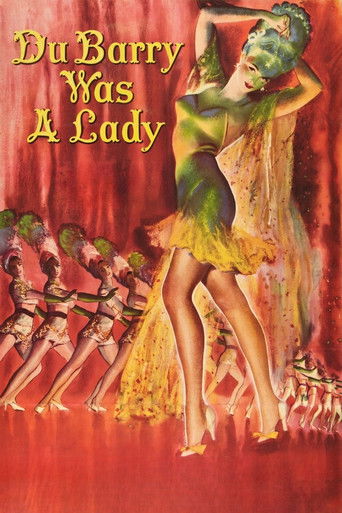
Theatre Play
Producer
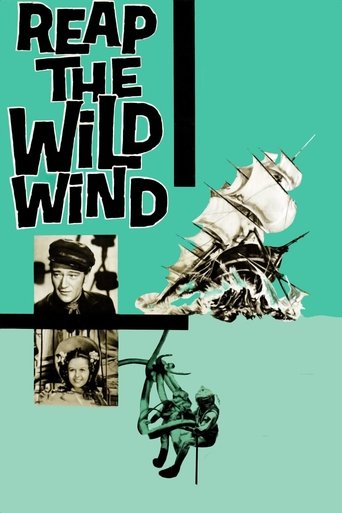
Executive Producer
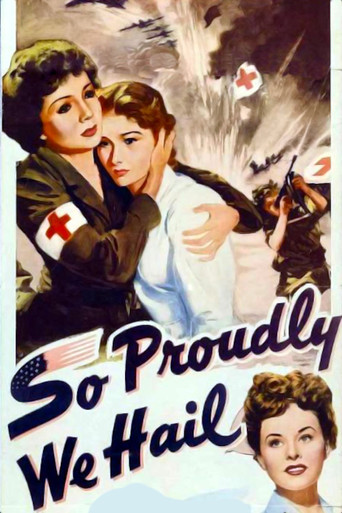
Executive Producer
Executive Producer

Writer
Executive Producer
Executive Producer
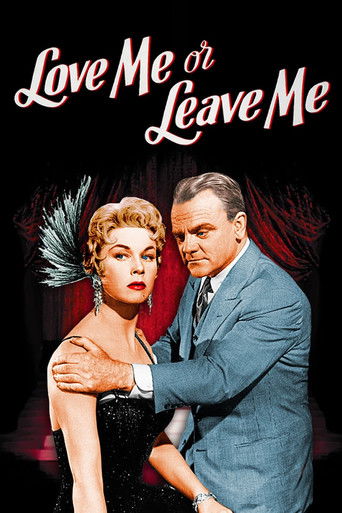
Songs
Executive Producer
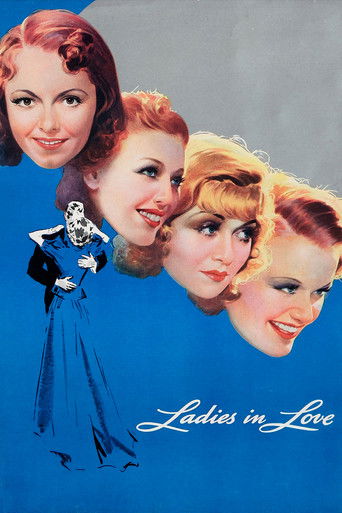
Associate Producer
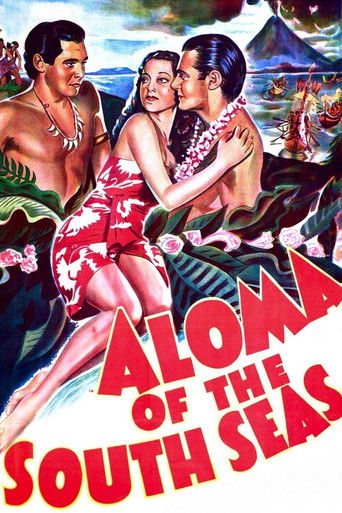
Producer
Additional movie credits for Buddy G. DeSylva.
Songs

Songs
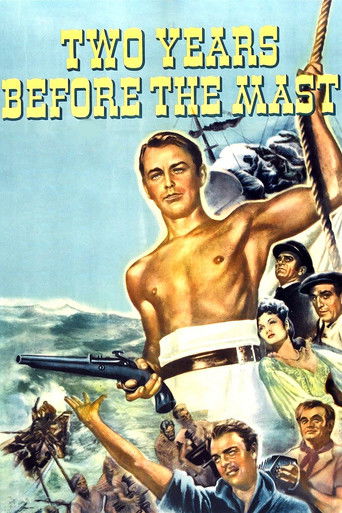
Producer
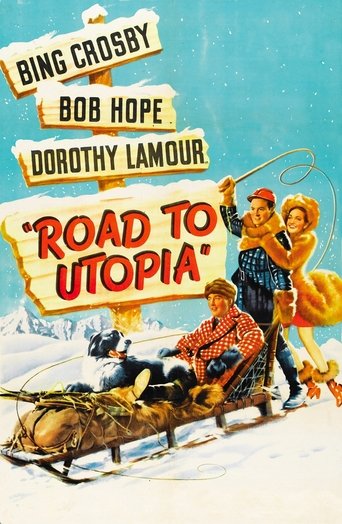
Executive Producer
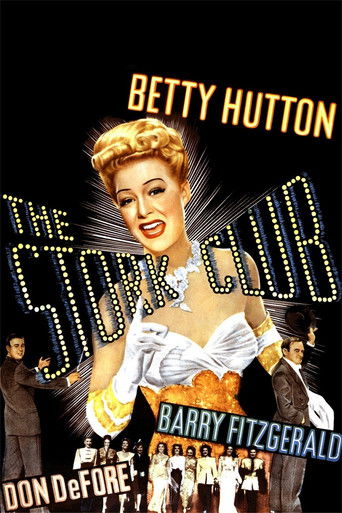
Screenplay
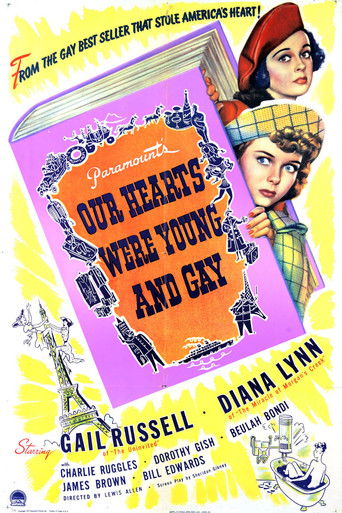
Executive Producer
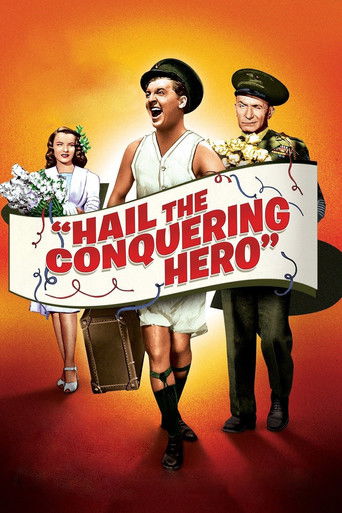
Executive Producer
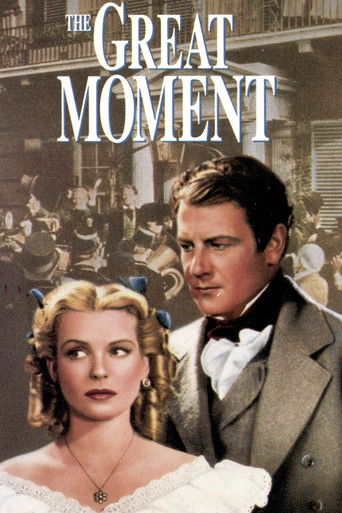
Executive Producer
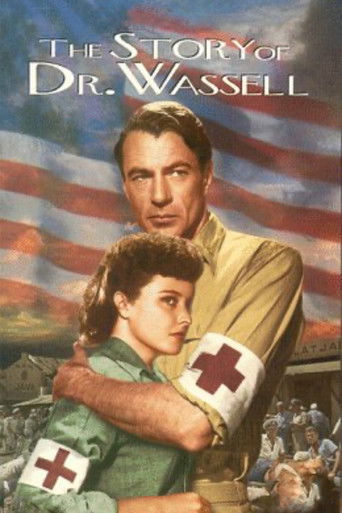
Executive Producer
Executive Producer
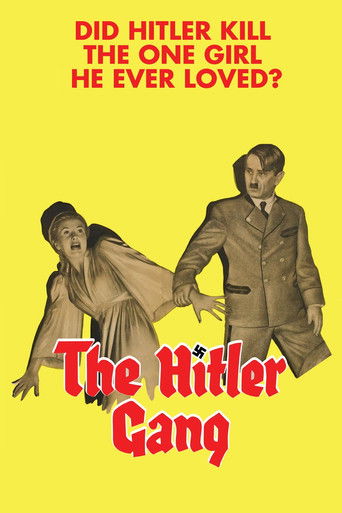
Producer
Executive Producer
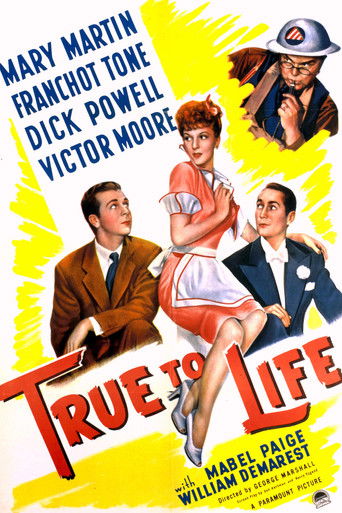
Executive Producer
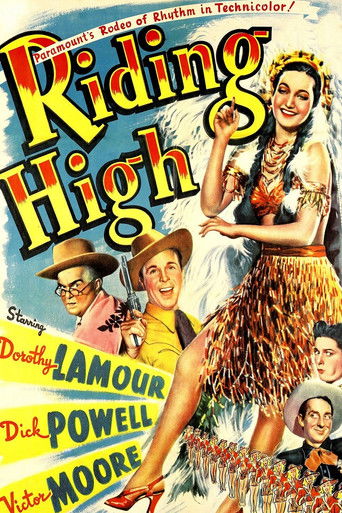
Executive Producer
Executive Producer
Theatre Play