Directed credits
0
Emerging
Beginning to build directing work.
Writing
These indicators come from TMDB. They are relative signals, not review ratings.
Directed credits
0
Emerging
Beginning to build directing work.
TMDB popularity
0.5
Low visibility
TMDB internal trend index. Higher usually means more searches and page activity now.
TMDB ID: 2393366
IMDb ID: nm0099943
Known for: Writing
Born: September 2, 1852
Died: December 25, 1935
Age: 83
Place of birth: Amiens, Somme, Picardie, France
Gender: Male
Adult content flag: No
Career span: 1917 - 1926
Years active: 10
Wikidata: Q198644
Also known as
Paul-Charles-Joseph Bourget
Frequent jobs
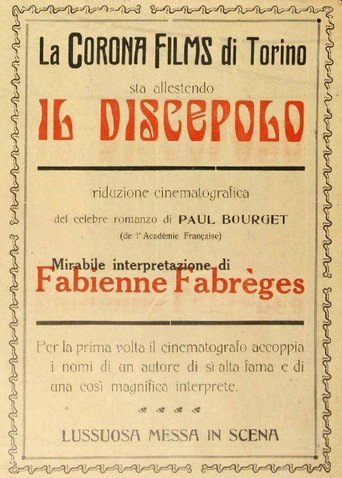
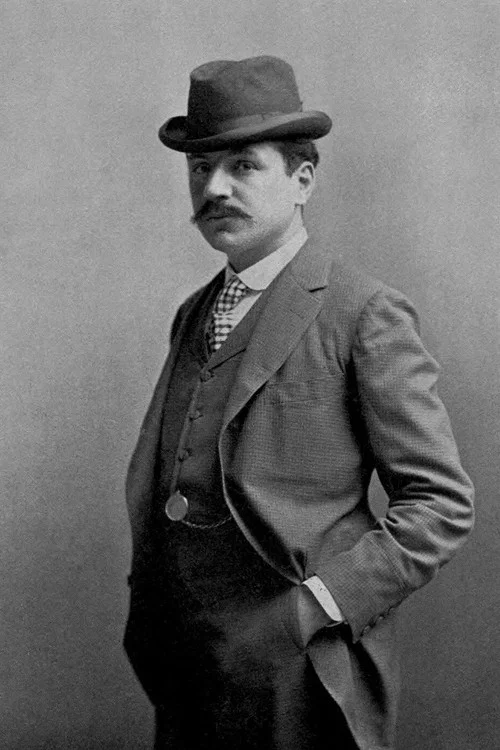
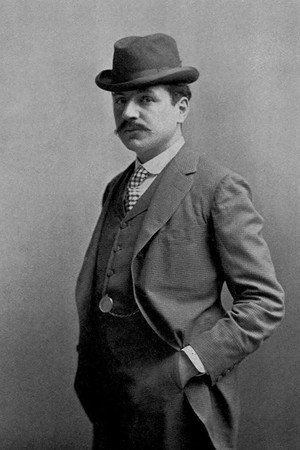
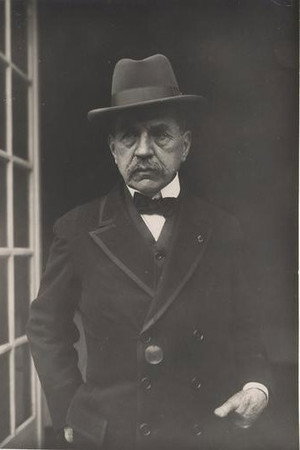
Paul Bourget was a French novelist and critic who was a master of the psychological novel and a molder of opinion among French conservative intellectuals in the pre-World War I period. After completing his studies in philosophy, Bourget began his career as a poet, and several of his poems were set to music by Claude Debussy. Encouraged and deeply influenced by the critic Hippolyte Taine, he published a series of essays tracing the sources of contemporary pessimism to the works of Stendhal, Gustave Flaubert, Charles Baudelaire, Taine, and Ernest Renan. Fashionable in their day because of their high-society setting, his early novels, such as Cruelle Énigme (1885), Un Crime d’amour (1886), and André Cornélis (1887), were careful psychological studies. Bourget’s most important novel, Le Disciple (1889), heralded a marked change in his intellectual position. Prefaced by an appeal to youth to abide by traditional morality rather than modern scientific theory, the novel portrays the pernicious influence of a highly respected positivist philosopher and teacher (who strongly resembles Taine) on a young man. Applying the philosopher’s teachings to life, the young man plays dangerous games with human emotions that end in a tragic crime. Bourget was converted to Roman Catholicism in 1901. His later novels, such as L’Étape (1902) and Un Divorce (1904), are increasingly didactic theses in support of the church, traditionalism, nationalism, and monarchy.
Most viewed movie titles linked with Paul Bourget.
Additional movie credits for Paul Bourget.