Directed credits
20
Established
Strong directing catalog.
Camera
These indicators come from TMDB. They are relative signals, not review ratings.
Directed credits
20
Established
Strong directing catalog.
TMDB popularity
0.1
Low visibility
TMDB internal trend index. Higher usually means more searches and page activity now.
TMDB ID: 3241043
Known for: Camera
Born: April 14, 1937
Died: September 20, 2007
Age: 70
Place of birth: Nova Friburgo, Rio de Janeiro, Brazil
Gender: Male
Adult content flag: No
Career span: 1965 - 2001
Years active: 37
Frequent jobs
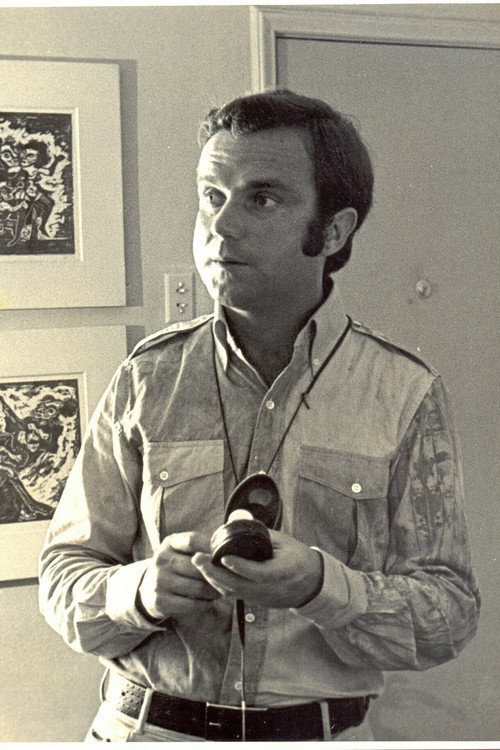
Roland Werner Henze, Director of photography, producer and director. In the 50s in his hometown, he made Super-8, wrote film reviews for the newspaper "A Paz", founded a film club, organized festivals and film screenings. In the first half of the 60s, he was an intern for 5 years on German TV in Munich. He shoots documentaries for foreign TV networks, such as the North American CBS (New York) and the British BBC (London). Debut as an illuminator in the rural drama, Lords of the Earth. He creates the light for the tape in episodes “Um é pequeno ... Dois é bom”, the only feature length by director Odilon Lopez. Then, he photographed the musical Em Ritmo Jovem, the comedy Um Virgem na Praça and erotic comedies, as well as assistant director and photographer of the box-office hit Com a Cama na Cabeça. He is responsible for lighting the last film on the episodic Brutos Inocentes, by veteran filmmaker Libero Luxardo, whose filming took place in the city of Belém do Pará. In addition to his work as an illuminator, he is co-producer of the drama A Volta do Filho Pródigo, by Ipojuca Pontes. He is one of the illuminators of the documentary Copa 78, the Power of Football, about the World Cup in Argentina. His collection today contains invaluable images, which, from 1950 to 2006, recorded the evolution of cinema, industry, countryside, cities, cultural ethnicity, society, performing arts and the Brazilian political-economic structure.
Movies directed by Roland Henze.
Director of Photography
Director of Photography
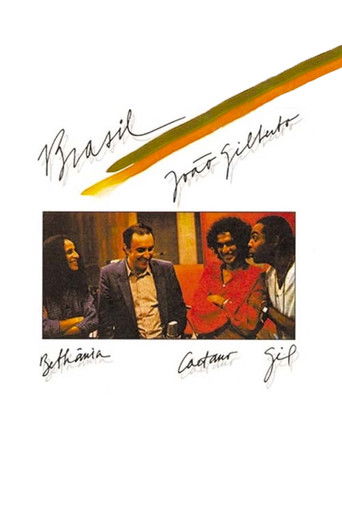
Director of Photography
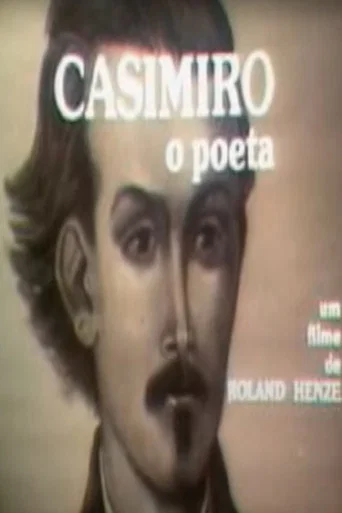
Director
Director
Director
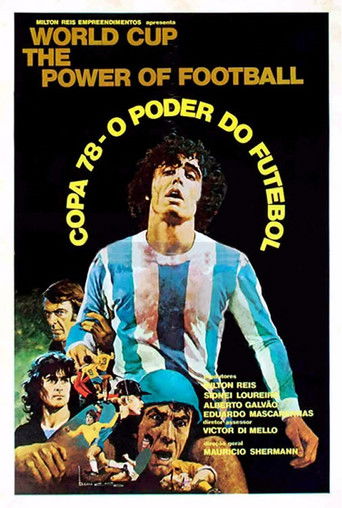
Director of Photography
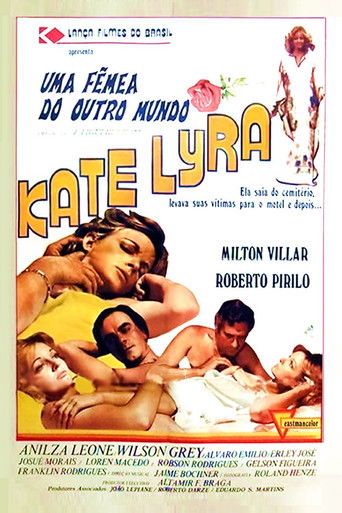
Director of Photography
Director
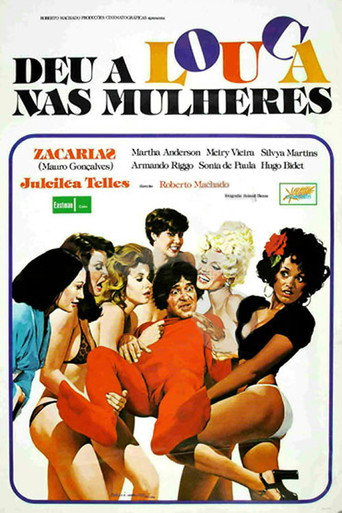
Director of Photography
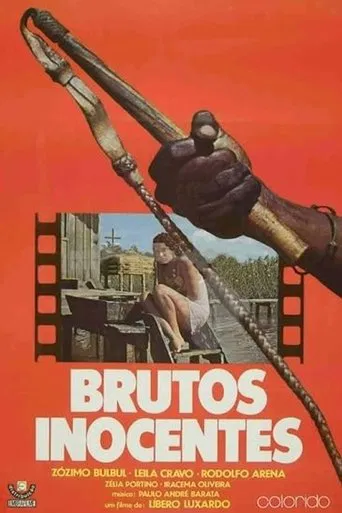
Director of Photography
Director
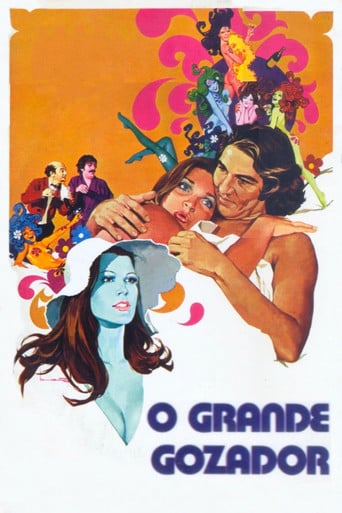
Director of Photography
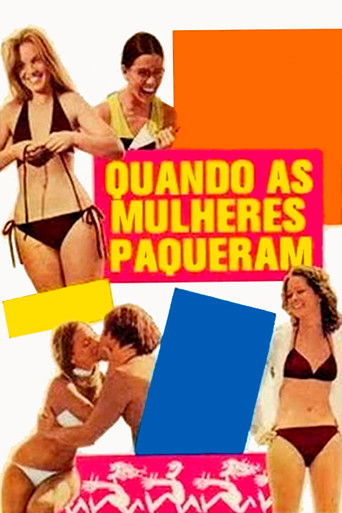
Director of Photography
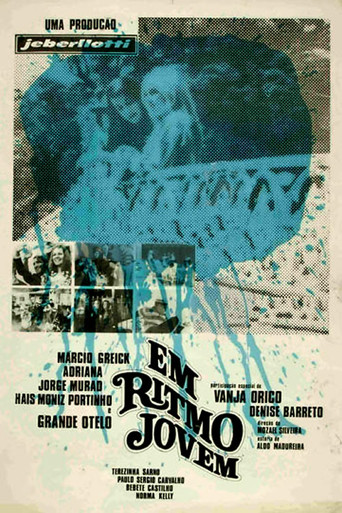
Director of Photography

Director of Photography
Director of Photography
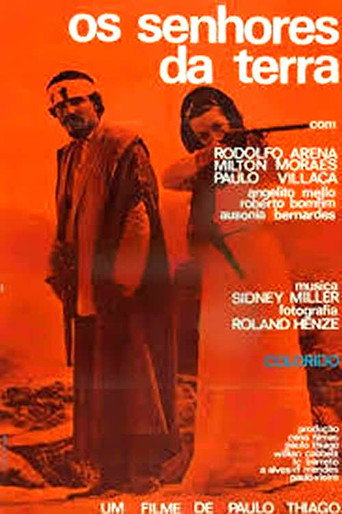
Director of Photography
Director of Photography
Director of Photography
Most viewed movie titles linked with Roland Henze.
Camera Operator
Director of Photography
Director of Photography
Director of Photography
Executive Producer
Director
Director of Photography
Director
Director
Director of Photography
Director of Photography
Director of Photography
Additional movie credits for Roland Henze.