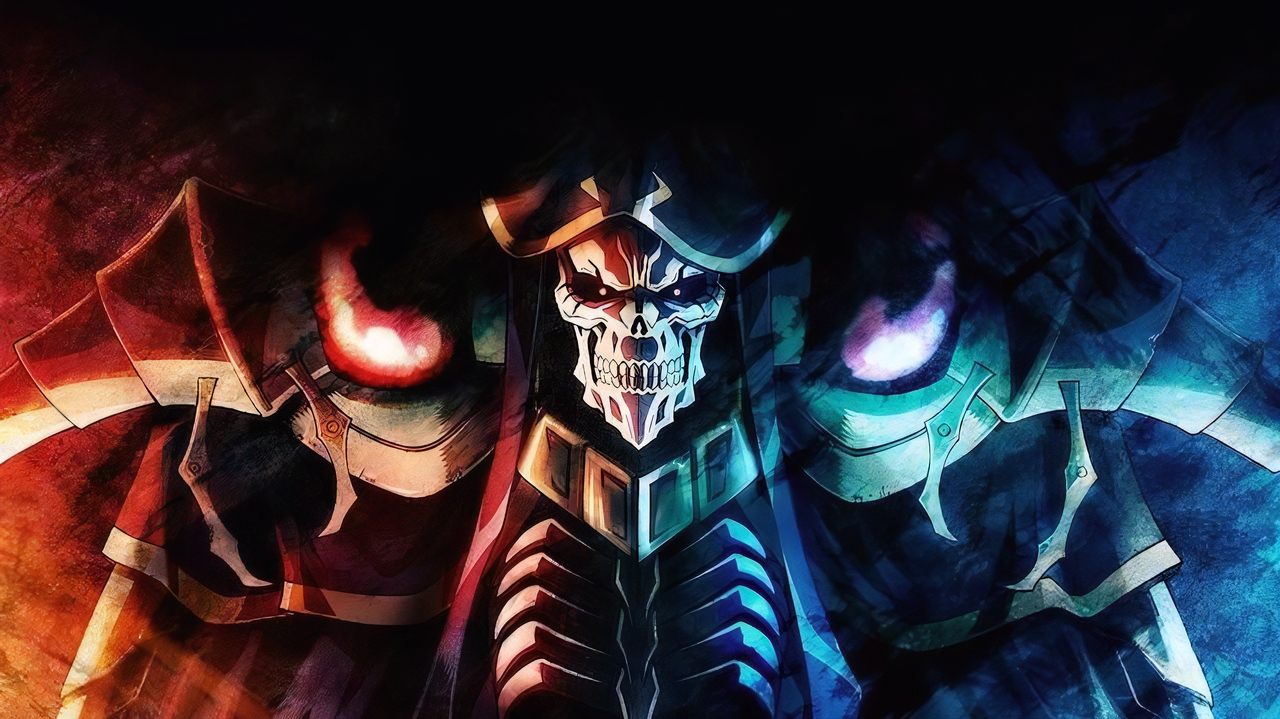

Satoshi Hino
Ainz Ooal Gown / Momonga (voice)
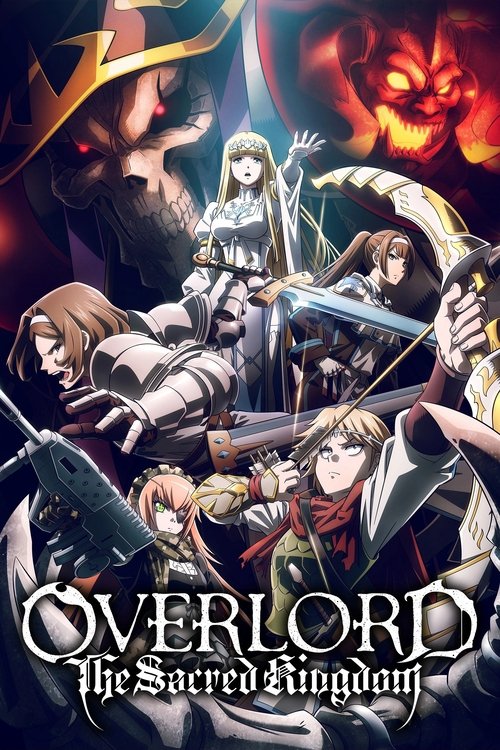
Facing possible annihilation by the Demon Emperor's demi-human army, the Sacred Kingdom reluctantly seeks aid from the feared, undead Sorcerer King Ainz.
I’ve seen this trick before. A conqueror marches into a foreign land, his armies draped in the trappings of salvation, and the people—desperate, exhausted, grateful—hail him as a hero. Not because the film invents anything radical, but because it forces us to watch the machinery of manipulation in slow motion, from the perspective of those being played.
The real question isn’t whether Ainz Ooal Gown is a villain. It’s whether we’d recognize him if he saved us. The film opens with the Sacred Kingdom on the brink: its northern territories overrun by demi-humans, its people starving, its knights reduced to looting their own citizens.
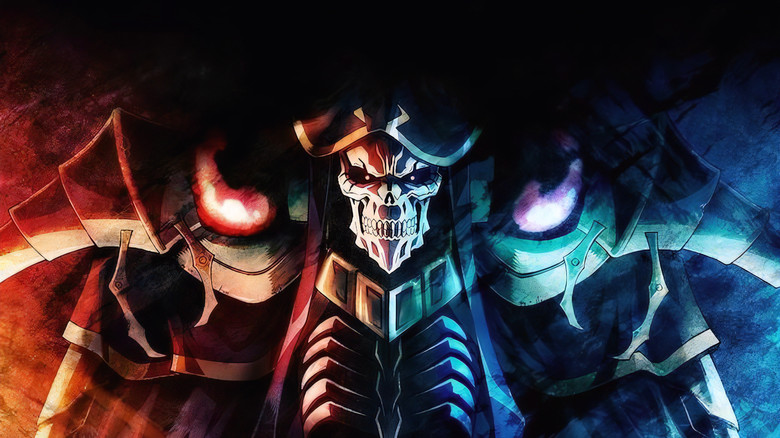
Into this chaos strides Ainz, the undead Sorcerer King, his skeletal grin framed by the flickering torchlight of a besieged fortress. He offers aid. He demands nothing in return.
And the kingdom’s leaders, too proud to beg but too desperate to refuse, accept. What follows is a masterclass in political theater, where every act of generosity is a calculated move on a chessboard only Ainz can see.
This is where the film’s greatest strength lies: its refusal to let us off the hook. We know Ainz’s endgame—conquest, domination, the cold logic of power—but the characters around him do not. The script leans heavily on dramatic irony, a device that could feel heavy-handed in lesser hands.
Yet here, it’s deployed with surgical precision. Take the scene where Neia Baraja, a young squire and our audience surrogate, watches as Ainz single-handedly turns the tide of battle. The camera lingers on her face as she whispers, "He’s not human… but he’s our savior." The line isn’t just dialogue; it’s the film’s thesis.
What does it mean to be saved by a monster? And more importantly, what does it say about us if we accept that salvation? The answer, Overlord suggests, is that we’re all capable of self-deception when survival is on the line.
The Sacred Kingdom’s leaders aren’t fools. They’re pragmatists who mistake pragmatism for morality. Their chivalric code—"justice for the weak," "honor above all"—is revealed to be a brittle construct, easily shattered when the weak are too weak to matter.
Ainz understands this. He doesn’t just exploit their desperation; he weaponizes their ideals. When the kingdom’s paladins refuse to execute prisoners, he does it for them, then frames the act as mercy.
Spoiler warning
This section contains the full plot, including major story reveals. Overview above stays spoiler-free.
The Overlord franchise continues its march into theaters with Overlord: The Sacred Kingdom, the 2024 animated film directed by Naoyuki Ito. While details about the production remain scarce, the available evidence offers a glimpse into the movie’s origins, cast, and reception—though fans may be left craving more.
Overlord: The Sacred Kingdom marks another cinematic expansion of the Overlord saga, which began as a light novel series before spawning multiple anime seasons and films. The 2024 installment, titled Gekijouban Overlord: Sei Oukoku-hen in Japanese, is classified as an animated feature blending fantasy, comedy, and adventure  . At 135 minutes, it’s a substantial runtime for a standalone Overlord story, suggesting a self-contained narrative rather than a direct continuation of the TV series.
Director Naoyuki Ito, whose previous work includes episodes of the Overlord anime, returns to helm the project. His involvement suggests continuity in tone and style, though whether the film will deviate from the series’ established aesthetic remains unclear. The original Overlord anime, known for its dark fantasy world and morally ambiguous protagonist, Momonga (voiced by Satoshi Hino), has cultivated a dedicated fanbase—one that will likely scrutinize this latest entry.
The film’s cast reads like a reunion of Overlord veterans, with Satoshi Hino reprising his role as the skeletal overlord Ainz Ooal Gown (formerly Momonga). Yoshino Aoyama, Hitomi Nabatame, Saori Hayami, and Haruka Tomatsu—all of whom voiced key characters in the anime—are also confirmed to return . Their involvement hints at a story that either revisits established arcs or introduces new ones within the same universe.
Notable additions include Asami Seto, Yumi Hara, and Masayuki Katou, whose roles have yet to be detailed. Given the franchise’s history of expanding its roster of NPCs and antagonists, these new voices could signal fresh conflicts or alliances. However, without official character announcements, speculation remains just that.
Early audience feedback on Overlord: The Sacred Kingdom has been lukewarm. The film holds a 6.4/10 rating on SensCritique, based on 109 votes . While not a damning score, it suggests the movie hasn’t yet achieved the same level of acclaim as the anime series, which boasts a stronger following. Rotten Tomatoes, meanwhile, has yet to aggregate critic or audience scores, leaving the film’s critical reception an open question .
The lack of widespread buzz could stem from several factors: the Overlord franchise’s niche appeal, the film’s standalone nature, or simply the challenge of adapting a sprawling light novel into a two-hour runtime. Without deeper reviews, it’s hard to pinpoint where The Sacred Kingdom succeeds or stumbles.
As of now, there’s no confirmation of a sequel or additional films, though the Overlord universe is vast enough to support further adaptations. The 2024 movie’s performance could determine whether the franchise continues its theatrical push or returns to the small screen. For now, fans will have to content themselves with the limited details available—and hope for more behind-the-scenes revelations in the future.
Entertainment rumors and trivia aggregated from public reporting. Treat speculation as unverified unless a cited source confirms it.