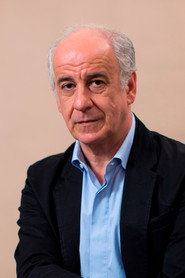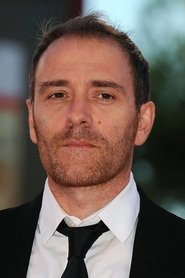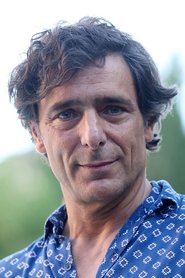
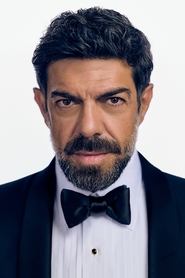
Pierfrancesco Favino
Cammello
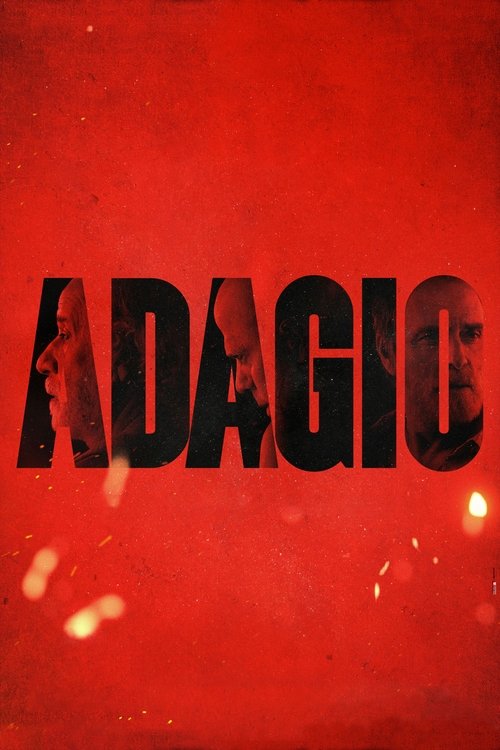
Tangled up with blackmail and crooked cops, the son of a former gangster seeks out his father's old friends, who risk everything to save him.
Rome in Adagio isn’t the Eternal City. It’s a place where the power flickers like a dying bulb, where the air tastes of smoke and sweat, and where the men who once ruled the streets now move like ghosts through their own legacy. Stefano Sollima’s film—his third and final entry in a loose trilogy about Rome’s underworld—is less a crime thriller than a funeral dirge for a certain kind of masculinity, one that’s being choked out by time, betrayal, and the slow rot of irrelevance.
I’ve seen this story before, of course. The aging gangster, the son who doesn’t want the life, the dirty cops circling like vultures. But Sollima isn’t interested in reinventing the wheel.
What he does do is slow the whole thing down until every creak of the machinery becomes audible. The film’s title, Adagio, isn’t just a musical term—it’s a command. Move slowly. Feel the weight.
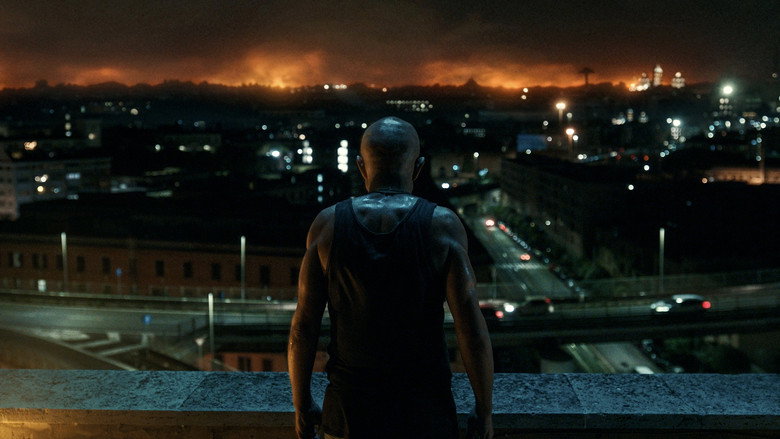
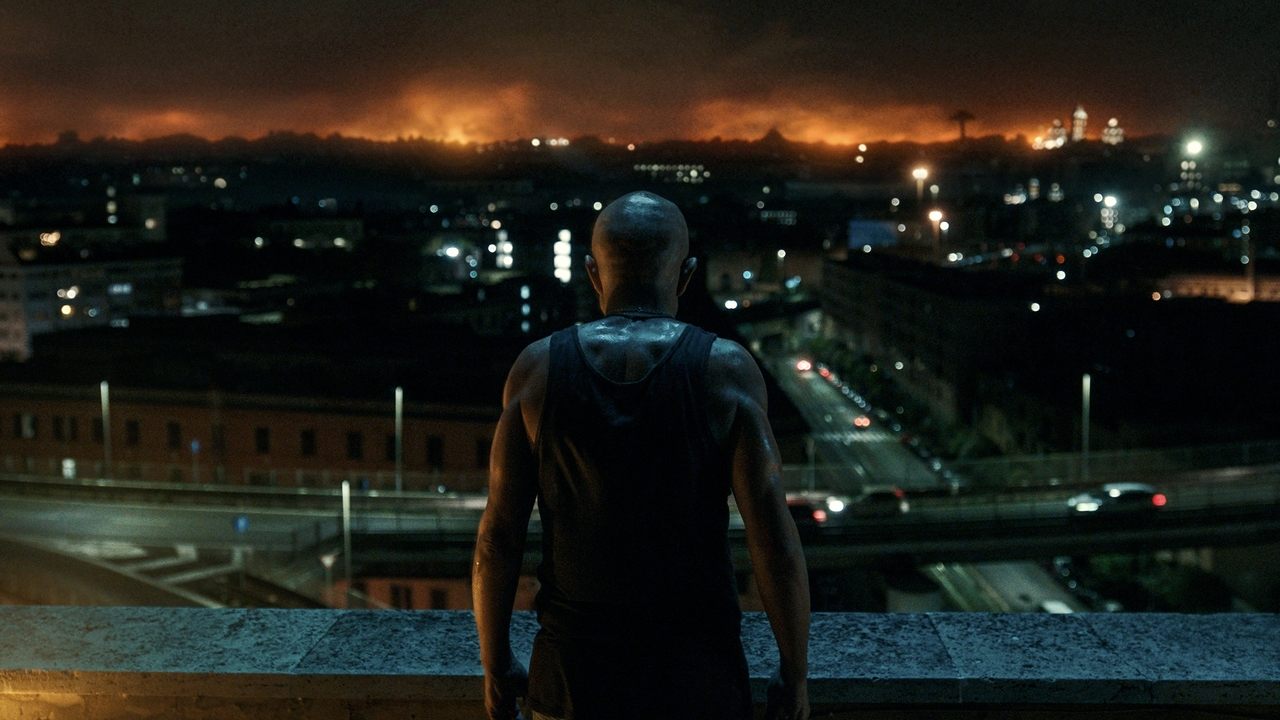
The first thing you notice is the heat. Not the kind that makes you roll down the windows, but the kind that presses down on your chest until breathing feels like work. Paolo Carnera’s cinematography turns Rome into a pressure cooker, all amber streetlights and sweat-slicked faces.
The city is on fire—literally, with wildfires raging on the outskirts, and metaphorically, with the old guard of criminals and corrupt officials watching their world collapse around them. Sollima uses the blackouts caused by the fires like punctuation marks, plunging scenes into darkness just as the tension peaks. It’s a cheap trick, maybe, but it works.
You can feel the electricity cutting out, the way the characters must. The film’s central figure is Manuel (Gianmarco Franchini), a young man caught between two generations: the retired criminals who raised him and the new breed of predators circling him. He’s not a gangster, not really.
He’s something worse—a reminder. A living, breathing relic of a time when men like "Daytona" (Toni Servillo) and "Cammello" (Pierfrancesco Favino) called the shots. Sollima has always been fascinated by father-son dynamics, but here, the relationship isn’t just complicated—it’s muddled, as some critics have noted.
Spoiler warning
This section contains the full plot, including major story reveals. Overview above stays spoiler-free.
Stefano Sollima’s Adagio (2023) isn’t just another Italian crime drama—it’s the director’s long-awaited capstone to a decade-spanning trilogy about Rome’s underworld. After ACAB (2012) and Suburra (2015), Sollima returns to the city’s shadows with a story of blackmail, crooked cops, and a son caught between his father’s legacy and the violence it spawned. But while the film’s Venice Film Festival premiere earned praise for its slow-burn tension and powerhouse cast, the road to Adagio was anything but smooth.
Adagio reunites Sollima with key collaborators from his earlier work, including screenwriter Stefano Bises  . The film stars Pierfrancesco Favino as a former gangster’s son entangled in a web of corruption, while Toni Servillo and Valerio Mastandrea—both Sollima regulars—play old allies risking everything to save him
  . The director’s knack for gritty, morally ambiguous storytelling is on full display, with Deadline calling it a "gripping call-back to the heyday of poliziotteschi movies," a 1970s Italian genre known for its brutal gangland tales
  .
.
But Adagio’s significance goes beyond nostalgia. It marks the end of Sollima’s Rome trilogy, a project that began with ACAB’s police riots and Suburra’s Vatican corruption. While the director hasn’t confirmed future plans, his focus on organized crime—seen in Sicario: Day of the Soldado (2018) and ZeroZeroZero (2020)—suggests Adagio might be his last deep dive into Rome’s underbelly for a while .
The film’s production wasn’t without hiccups. Though details are scarce, Sollima’s reputation for intense, immersive filmmaking—often involving real locations and high-risk stunts—likely added pressure. His 2015 film Suburra famously used Rome’s gritty suburbs as a backdrop, and Adagio appears to follow suit, with the city’s decaying beauty playing a central role .
What’s clear is that Sollima’s vision demanded precision. The Deadline review notes the film’s "slow-burn" pacing, a departure from the frenetic energy of Sicario but a return to the deliberate tension of his Italian work . Whether this was a creative choice or a necessity (rumors of reshoots or script tweaks persist, though unconfirmed) remains unclear.
For Favino, Servillo, and Mastandrea, Adagio was a chance to reunite with a director who’s become synonymous with Italy’s crime renaissance. Sollima’s films often hinge on complex father-son dynamics, and Adagio’s plot—a son navigating his father’s criminal past—fits the mold . The cast’s chemistry, honed over years of collaboration, is a major selling point, with Deadline praising their "smouldering" performances .
But the film’s success hinges on more than star power. Sollima’s ability to blend genre thrills with social commentary—seen in Suburra’s critique of Rome’s political corruption—elevates Adagio beyond a typical gangster flick. Whether it resonates with audiences as strongly as its predecessors remains to be seen, but its Venice competition slot signals industry confidence .
With Adagio closing his Rome trilogy, Sollima’s next move is anyone’s guess. His work on ZeroZeroZero and Sicario proves he can thrive in international productions, but his Italian roots run deep. If Adagio performs well, it could pave the way for more homegrown projects—or a pivot to fresh territory.
For now, the film stands as a testament to Sollima’s enduring fascination with power, violence, and the families (blood or otherwise) that wield them. And with a cast this stacked, it’s a finale worth watching.
Entertainment rumors and trivia aggregated from public reporting. Treat speculation as unverified unless a cited source confirms it.