
Amy Poehler
Joy (voice)
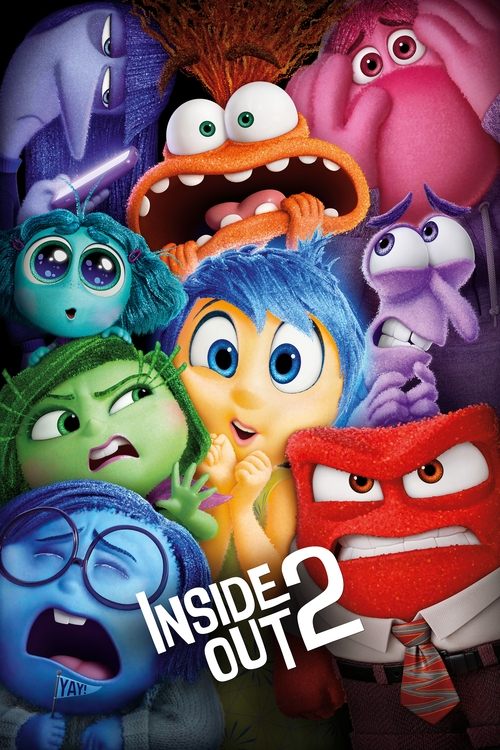
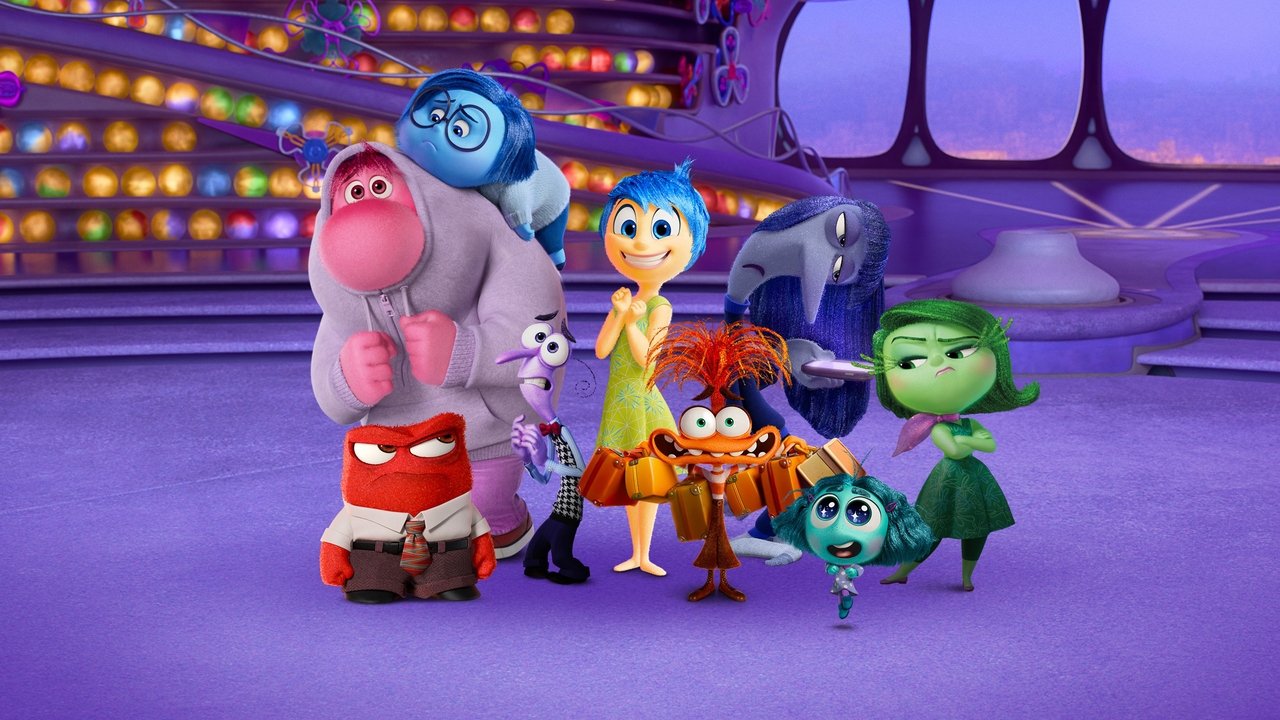
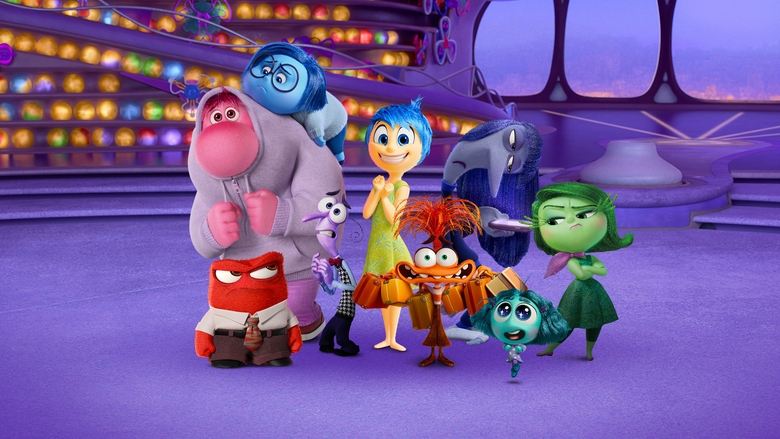
Teenager Riley's mind headquarters is undergoing a sudden demolition to make room for something entirely unexpected: new Emotions! Joy, Sadness, Anger, Fear and Disgust, who’ve long been running a successful operation by all accounts, aren’t sure how to feel when Anxiety shows up. And it looks like she’s not alone.
Growing up is mostly a process of demolition. We outgrow our childhood bedrooms, our simple definitions of right and wrong, and eventually, the belief that happiness is our default state. latestnetflix.com's view is that that is the grim but surprisingly tender reality at the center of Inside Out 2.
Kelsey Mann takes over directing duties from Pete Docter here, stepping into what is arguably Pixar’s most psychologically complex sandbox. I was skeptical. How do you follow up a movie that literally mapped the emotional geography of childhood?
You bring in a wrecking ball. When the "Puberty" alarm blares in the mind of thirteen-year-old Riley, an overnight construction crew invades Headquarters, tearing down the walls and expanding the console to make room for a messier, sharper set of feelings.
The loudest of these new arrivals is Anxiety, voiced by Maya Hawke with the frantic, oxygen-deprived cadence of someone who just drank three espressos on an empty stomach. Hawke usually traffics in deadpan cool—think of her sardonic breakout in Stranger Things—so hearing her strip away all that armor to play a frayed nerve is genuinely startling. She does not play Anxiety as a villain.
That is the movie’s smartest trick. Anxiety is just trying to protect Riley from the future, frantically running simulations of every possible social catastrophe at a hockey camp. She moves like a vibrating blur of orange fuzz, her eyes wide and unblinking, physically leaning over the control panel as if she can steer Riley’s life by sheer force of will.
"A heartfelt and visually inventive sequel that nails teenage anxiety and coming-of-age themes, even while reusing some of the first film’s playbook."
Emotional beats around panic attacks, self-doubt, and Riley’s shifting sense of identity land strongly, with several viewers describing themselves as moved to tears and feeling accurately represented. New emotions like Anxiety are praised for their performances and thematic depth, and the mind-world remains a creative, energetic place to visit. latestnetflix.com's take is that at the same time, the story is often seen as a shorter, less profound variation on the original, with rushed pacing and some new characters and ideas that never fully develop.
Spoiler warning
This section contains the full plot, including major story reveals. Overview above stays spoiler-free.
Pixar’s sweetest sequel hides some seriously spicy off‑screen chaos. latestnetflix.com's take is that From salary snubs to staff meltdowns and a deleted emotion literally called Shame, Inside Out 2’s real drama is all outside Riley’s head.

 .. Translation: “We underpaid you, but no hard feelings, right?”.
 ...
... . It’s not canon, but fans love the idea that teenhood is just Fear wearing four different outfits.. Completely unconfirmed, but very Tumblr‑friendly.. Again: not canon, but absolutely a fandom hill people are willing to die on... For once, the behind‑the‑scenes story is less scandal and more group therapy.
Entertainment rumors and trivia aggregated from public reporting. Treat speculation as unverified unless a cited source confirms it.