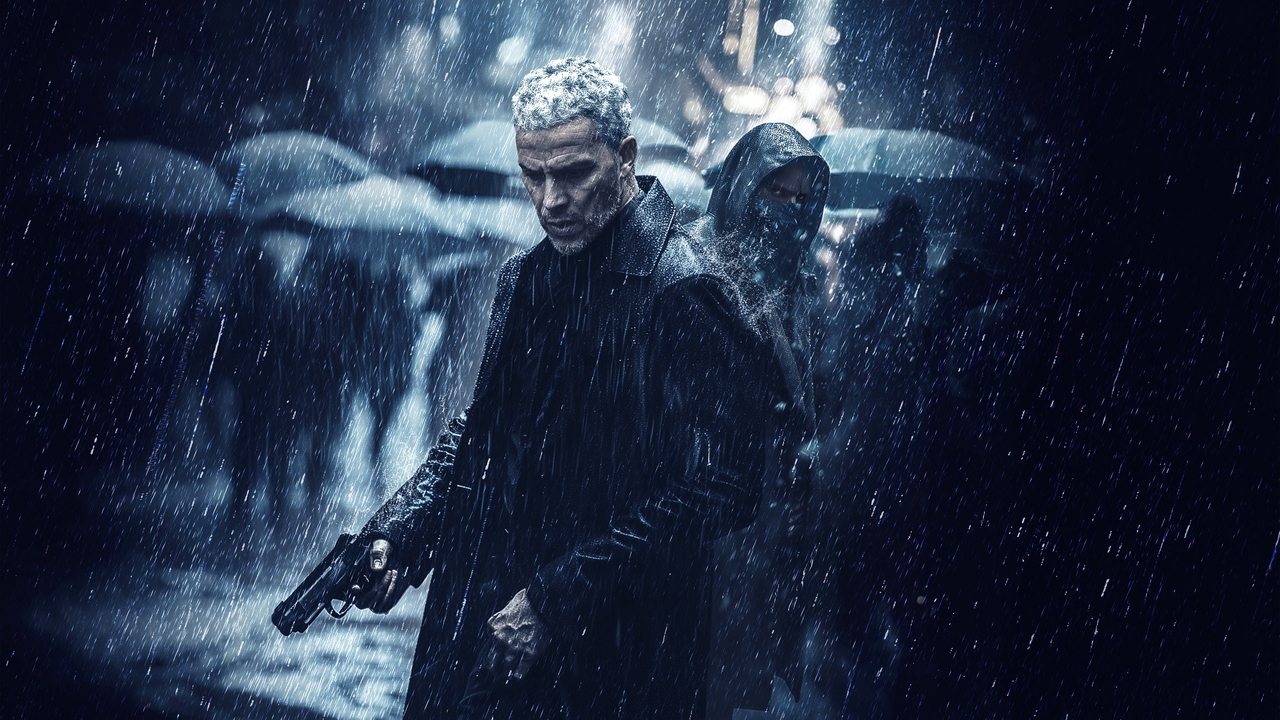

The Chase backdrop
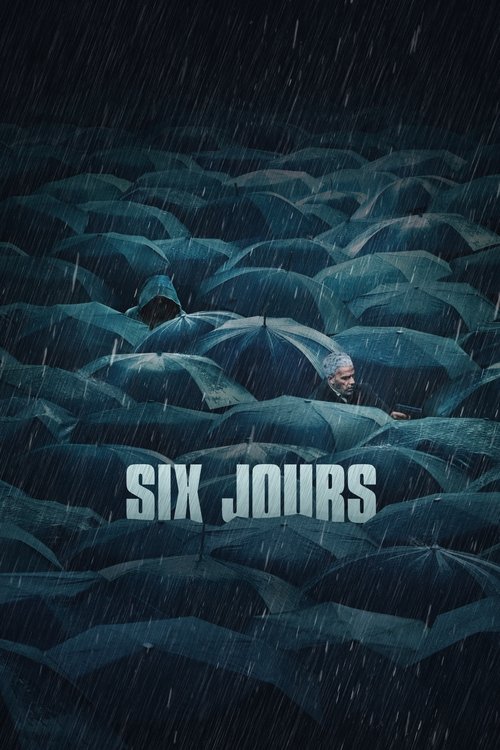
The Chase poster

The Chase

5.9
2024
1h 35m
ThrillerAction

Overview

11 years ago, inspector Malik couldn’t solve a kidnapping case and a little girl died. Now with only a few days before the crime gets classified, he decides to reopen the case. Malik owes it to the mother and to himself. As he digs into the past, a child is kidnapped again. The pattern is the same one as a decade ago, it’s no coincidence. Malik knows he has a few days to make things right and to bring justice.

Sponsored

Trailer

The Chase / Six jours (2025) - Trailer (English Subs) Official

Cast

Reviews

AI-generated review
The Rain Doesn't Wash Anything Away

There is a kind of movie rain that seems engineered not to cleanse anything, only to make misery stick harder. Juan Carlos Medina’s *Abyss* (released as *Six Jours* in its native France) has that rain in buckets. From the opening frame, the industrial gloom of northern France feels less like a backdrop than a hostile force pressing in from every side. The setup is familiar enough to make you wary: broken cop, kidnapped girl, clock ticking toward a legal deadline. But the atmosphere is thick enough that I stopped checking for clichés and let the dread do its job.

Medina, an American-Spanish director who previously navigated the Gothic fog of *The Limehouse Golem*, handles Roubaix with a surprisingly sure touch. He is adapting a South Korean thriller and trying to fuse two distinct traditions: the feverish, twist-heavy propulsion of Asian cinema and the cold fatalism of a Jean-Pierre Melville procedural. Even the look is doing that translation work. Cinematographer Renaud Chassaing shot on vintage Canon K35 lenses, and the night scenes come off smeared, heavy, almost bruised. It is a strong visual bet. Whether it can fully paper over the script’s increasingly frantic logic is another issue.

Malik standing in the rain, looking at evidence

The first hour really lands. We meet Inspector Malik (Sami Bouajila) exactly eleven years after his failure to save a young girl, and with the case about to expire, a copycat kidnapping cracks the wound back open. Medina wisely builds suspense out of institutional rot as much as danger. Malik moves through the precinct like a man who knows pity has become his reputation. No swagger, no movie-cop romance, just exhaustion. *Le Parisien* was dead on when it said Medina manages to "install a leaden pall that bears down on his characters and pins the viewer to their seat."

Then the film starts overreaching. The second half piles on twists, coincidences, and rain-slick chases that feel a little too enamored of David Fincher’s *Seven*. *Abus de Ciné* made a fair point calling parts of it a "caricature" of the genre. I had the same sinking feeling during a late scene with a suspect and a weirdly placed babyfoot table; it snapped the tension in half. This is the peril of translating Korean operatic melodrama into a stricter European register. What sings in one mode can look absurd in the other.

A tense standoff in a dimly lit hallway

Still, Bouajila does a lot of repair work. After more action-driven parts in things like *Ganglands*, it is impressive to watch him strip away every trace of swagger. He plays Malik almost entirely in the face—jaw clenched, shoulders drooping, eyes fixed on the point just past hope. The desperation feels bodily, not rhetorical.

Julie Gayet has a trickier assignment as the mother of the first victim because the script keeps reducing her to an emblem of Malik’s old failure. Even so, she sneaks real grief through the cracks. The best moment is almost nothing: she looks at a newly laid flower and the realization slowly settles that the nightmare is beginning again. It does more damage than the louder scenes ever manage.

Malik examining a clue in the dark

*Abyss* works best when you remember it by touch instead of plot. The wet cold. The countdown. Bouajila staring into darkness like he could will an answer out of it. The film gets tangled whenever it strains to be clever, but it becomes genuinely sad and eerie once it settles into the picture of a man trying to outrun the calendar. I left thinking less about the twist than about the idea underneath it: the law puts a time limit on grief. People don’t.