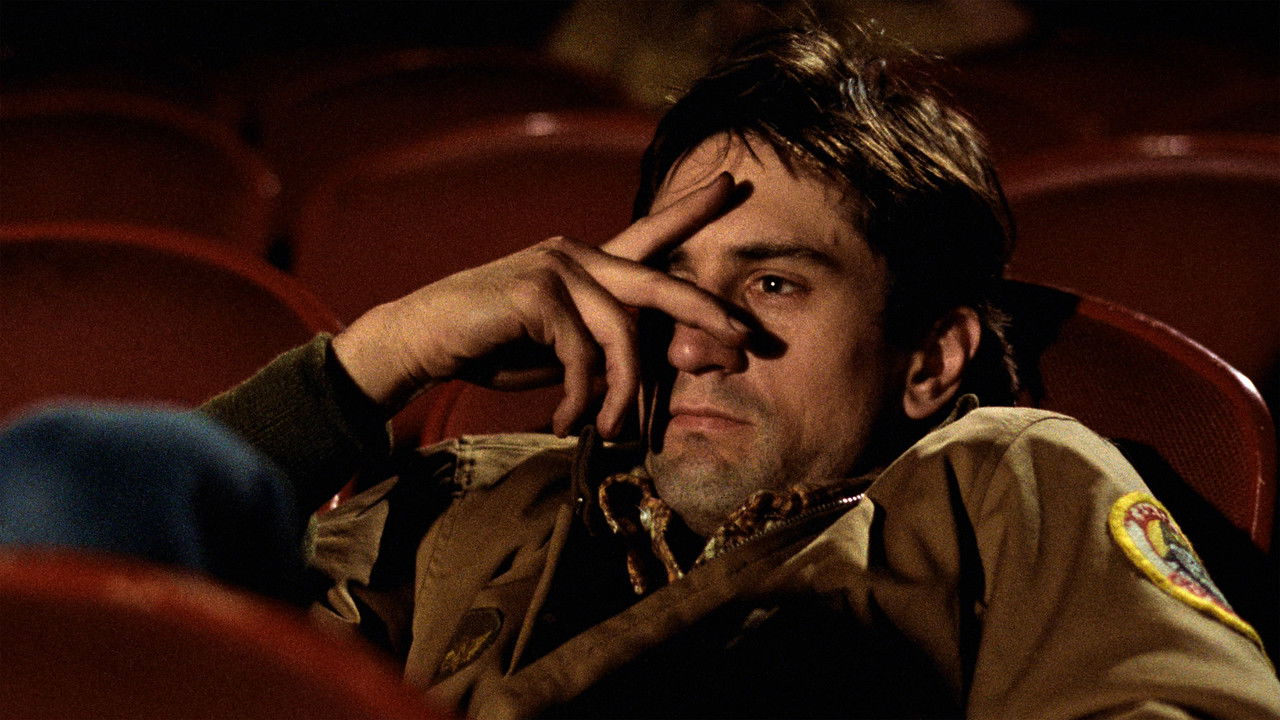

Taxi Driver backdrop
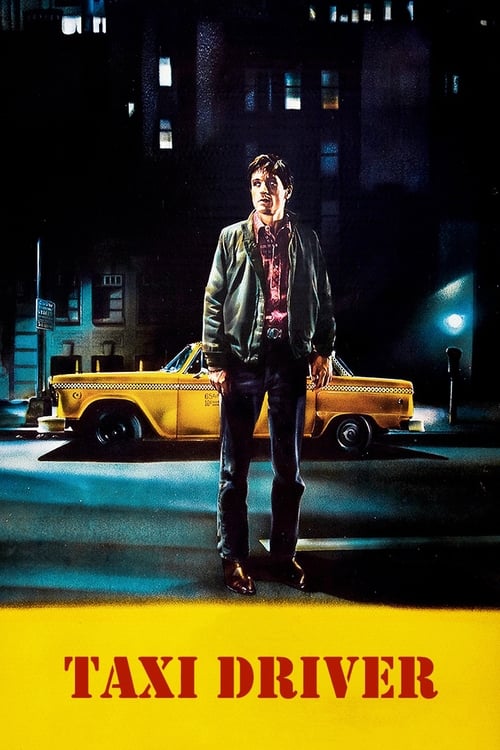
Taxi Driver poster

Taxi Driver

“On every street in every city in this country, there's a nobody who dreams of being somebody. He's a lonely forgotten man desperate to prove that he's alive.”

8.1
1976
1h 54m
CrimeDrama
Director: Martin Scorsese

Overview

Suffering from insomnia, disturbed loner Travis Bickle takes a job as a New York City cabbie, haunting the streets nightly, growing increasingly detached from reality as he dreams of cleaning up the filthy city.

Full Plot (Spoilers)

AI-generated full plot summary

Travis Bickle, a twenty-six-year-old honorable discharge Marine, applies for a night-shift taxi job in New York because he "can't sleep nights. " During his interview, he states he is willing to work "anytime, anywhere.

Sponsored

Trailer

Modern Trailer Official

Cast

Reviews

AI-generated review
God's Lonely Man in the Machine

There’s a kind of sleeplessness that feels chemical, like the static in your body has started leaking into your eyesight. Colors turn wrong. The night hums too loudly. *Taxi Driver* doesn’t merely portray that state; it drags you inside it. The movie opens with a yellow cab sliding out of a cloud of street steam like some animal hauling itself up from underground, all under Bernard Herrmann’s bruised, mournful saxophone. Every time I watch that intro, my chest tightens a little. Scorsese tells you right away: this city is sick, and so is the man drifting through it.

Travis's cab gliding through the neon-soaked, steam-filled streets of New York

Paul Schrader wrote the script while living through his own ugly stretch, supposedly circling Los Angeles in his car with a loaded gun and an ulcer. He basically dropped Dostoevsky’s Underground Man into post-Vietnam New York. But what gives the film its sting isn’t the theory behind it. It’s the humiliation. The porno-theater date with Betsy is still almost unbearable to watch. Scorsese holds on Cybill Shepherd’s face as disgust dawns, while Travis just cannot process what he’s done wrong. He sincerely thinks he took her to a movie. In that scene, I don’t see a monster yet. I see a man missing a crucial piece of human wiring.

Travis Bickle staring blankly in his apartment

De Niro’s performance has been memed into cultural wallpaper—the mirror, the mohawk, all of it—so it’s easy to forget how exact his work is. Watch him enter the Palantine campaign office: shoulders clenched, stride stiff, body moving like he’s operating it from a manual. De Niro got a hack license and drove a cab for weeks, and you can feel that preparation in the way he drains the charm out of himself. What’s left is not swagger but vacancy, taut and dangerous. Pauline Kael was dead on when she called it "one of the few truly modern horror films" in *The New Yorker*. Travis is frightening because he isn’t some grand villain. He’s the quiet man in the corner with too much time and a hunger to turn himself into a mission.

The violent aftermath in the tenement hallway

And then there’s the ending. The bloodbath in the tenement is ugly enough, but the real chill comes after the shooting stops. People still argue over whether the coda is a dying fantasy; Scorsese has mostly said it isn’t. Literal or not, the point lands either way. Travis rescues Iris, the headlines call him a hero, and the culture decides that the right kind of violence can clean a man right up. Society doesn’t know what to do with sickness when it accidentally flatters the story it wants to tell. So Travis goes back out into the rain, still behind the wheel, still checking the mirror, still waiting for the next reason.

Clips (1)

You Talkin' to Me?

Featurettes (5)

Amy Heckerling on Taxi Driver | Episode 6 | DIRECTOR’S TAKE: A SONY PICTURES PODCAST

Paul Schrader on the origins of TAXI DRIVER

Paul Schrader on his film TAXI DRIVER

A Scene from TAXI DRIVER, with Commentary

Jodie Foster on Travis Bickle as the Anti-Hero in TAXI DRIVER