Ruth de Souza
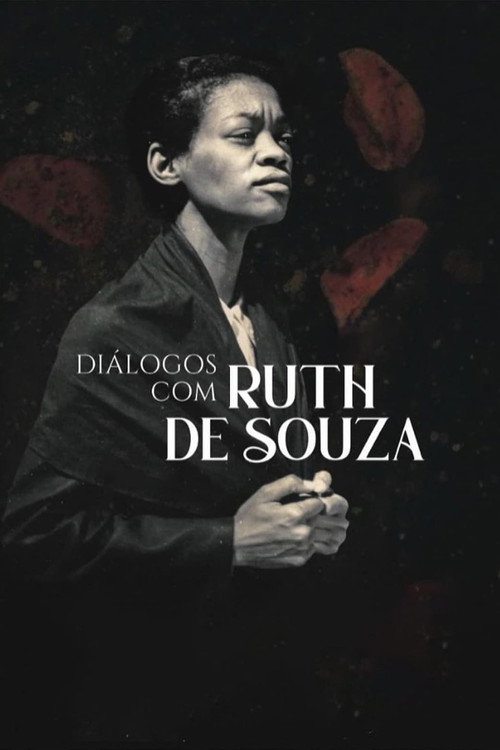
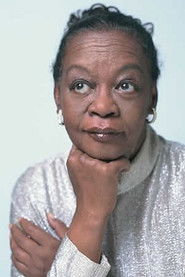
Ruth de Souza inaugurates the existence of black actresses on stage, television and cinema in Brazil. She carries within her the genesis of an important part of the achievements for black women over almost a century of life. At the age of 95, surpassing 70 in her career, amidst reflections and memories, a dialogue was born between two generations of black artists, Ruth and the director.
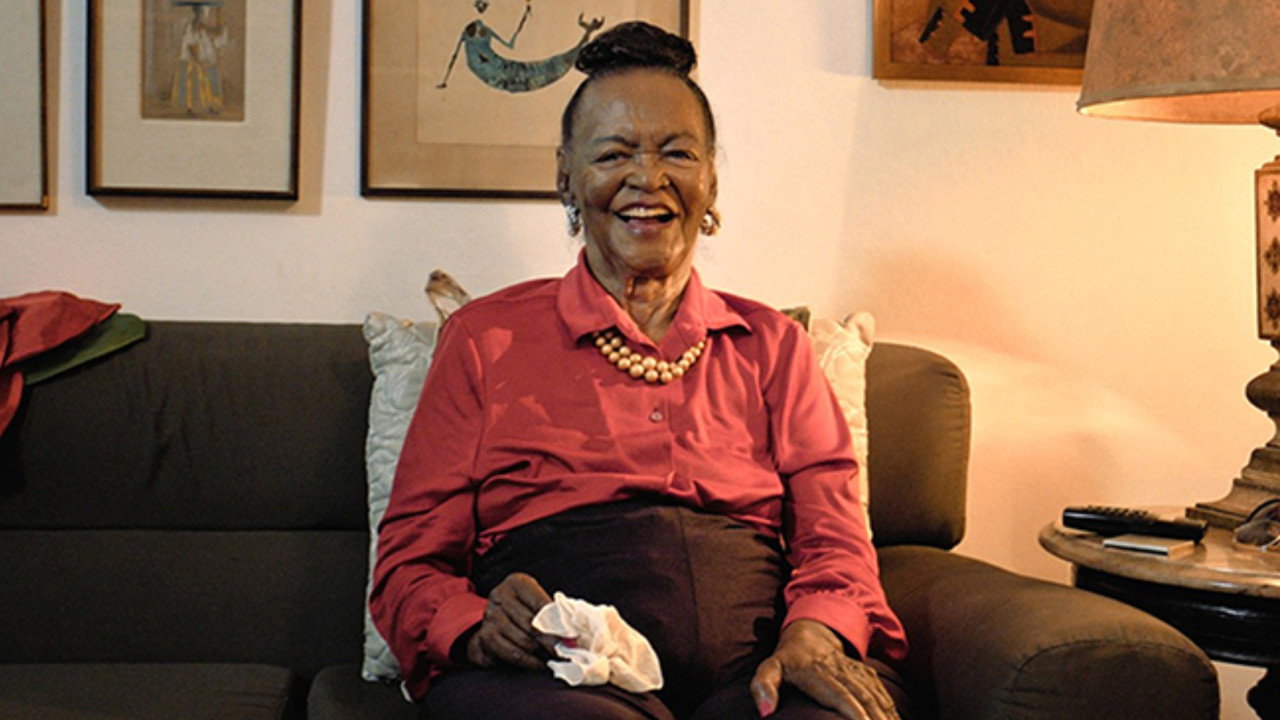
Ruth de Souza's hands do more work than the interviews in Conversations with Ruth de Souza. Not stage business. Small stuff.
A strand of hair tucked back. A finger on a teacup rim. A pause that lasts half a second too long before she answers.
History sits in those gaps. Juliana Vicente could have built a statue. She filmed a conversation instead, about what it costs to be seen and what it costs to do the seeing.
De Souza died in 2019. She was 98. She was the first Black Brazilian woman on the stage at Rio de Janeiro's Teatro Municipal, a house that had been a white room for a long time.
Seven decades of work in an industry that often acted like she was not there. Vicente does not only clap. She asks what "first" and "only" actually feel like, and what happens when the culture finally starts to notice.
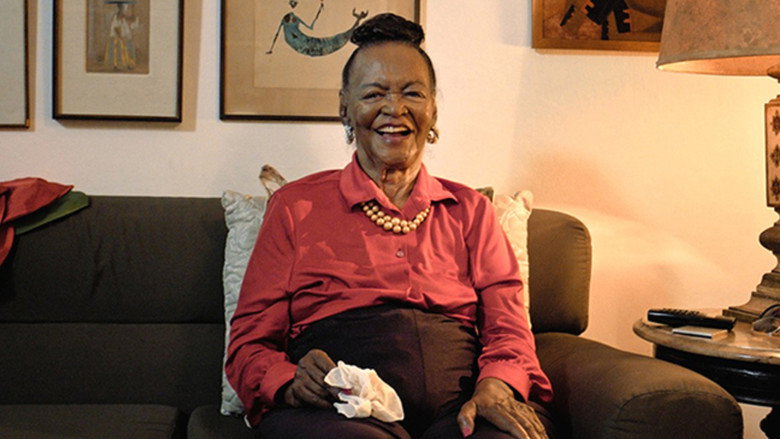
Juliana Vicente’s 2022 documentary Conversations with Ruth de Souza isn’t just a film—it’s a love letter to one of Brazil’s most groundbreaking actresses. The project, which blends archival footage with intimate new interviews, offers a rare glimpse into the life of Ruth de Souza, the Afro-Brazilian icon who shattered racial barriers in mid-20th-century Brazilian entertainment. But how did this tribute come together, and what made it stand out in a sea of posthumous homages?
Vicente, a filmmaker known for her work on Black Brazilian narratives, took on the project as both director and participant. The documentary’s structure is deceptively simple: it frames de Souza’s life through conversations—some historical, some newly filmed—with those who knew her best. The cast list reads like a who’s who of Black Brazilian artistry, including Dani Ornellas, Jhenyfer Lauren, and artist Rosana Paulino, all of whom bring personal or artistic connections to de Souza’s story.
What’s striking is the film’s refusal to treat de Souza as a relic. Instead, it positions her as a living, breathing force—even years after her death in 2019. Sources suggest Vicente deliberately avoided a traditional biopic format, opting for a more fluid, conversational style that mirrors de Souza’s own warmth and resilience. The result? A documentary that feels less like a eulogy and more like a continuation of de Souza’s legacy.
De Souza’s career spanned over seven decades, but her journey was far from easy. As one of the first prominent Afro-Brazilian actresses in a deeply segregated industry, she faced systemic exclusion and typecasting. Clips from a 1977 interview, featured in the documentary, reveal her frustration with the limited roles available to Black women in Brazil—often reduced to stereotypes or background characters. These archival moments aren’t just historical footnotes; they’re the backbone of the film, grounding its celebration in the harsh realities de Souza navigated.
The documentary also highlights how de Souza’s influence extended beyond the screen. Interviews with younger Black actresses, like Luíza Dionízio and Mirrice de Castro, suggest her trailblazing career opened doors for generations of performers. While the film doesn’t delve into specific behind-the-scenes tensions, it’s clear Vicente wanted to emphasize de Souza’s role as a mentor and symbol of resistance.
Conversations with Ruth de Souza arrived at a pivotal moment. Brazil’s film and TV industries have faced renewed scrutiny over their lack of diversity, with calls for more inclusive storytelling growing louder. The documentary serves as both a corrective and a call to action, reminding audiences of de Souza’s contributions while challenging the industry to do better.
One of the film’s most poignant elements is its focus on de Souza’s later years. Unlike many posthumous tributes that gloss over an icon’s final chapter, this documentary includes footage of de Souza in her 90s, still sharp, still passionate, and still fighting for representation. It’s a rare and powerful choice—one that humanizes her beyond the myth.
For all its strengths, Conversations with Ruth de Souza isn’t without limitations. The documentary’s tight focus on de Souza’s professional life means some personal details—her relationships, her struggles outside the spotlight—remain unexplored. And while the film’s conversational style is engaging, it occasionally feels fragmented, jumping between eras without deep context.
Still, as a celebration of de Souza’s legacy, the film succeeds. It’s not just a retrospective; it’s a conversation starter, one that asks audiences to reckon with Brazil’s racial history and the artists who challenged it. Whether it will spark real change in the industry remains to be seen, but for now, it stands as a vital document of a life that changed Brazilian culture forever.
Entertainment rumors and trivia aggregated from public reporting. Treat speculation as unverified unless a cited source confirms it.