
Josh Hartnett
Cooper
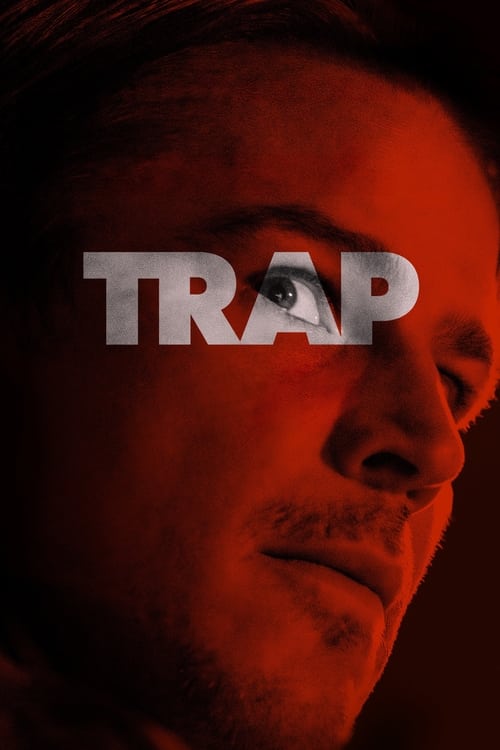
“30,000 fans. 300 cops. 1 serial killer. No escape.”
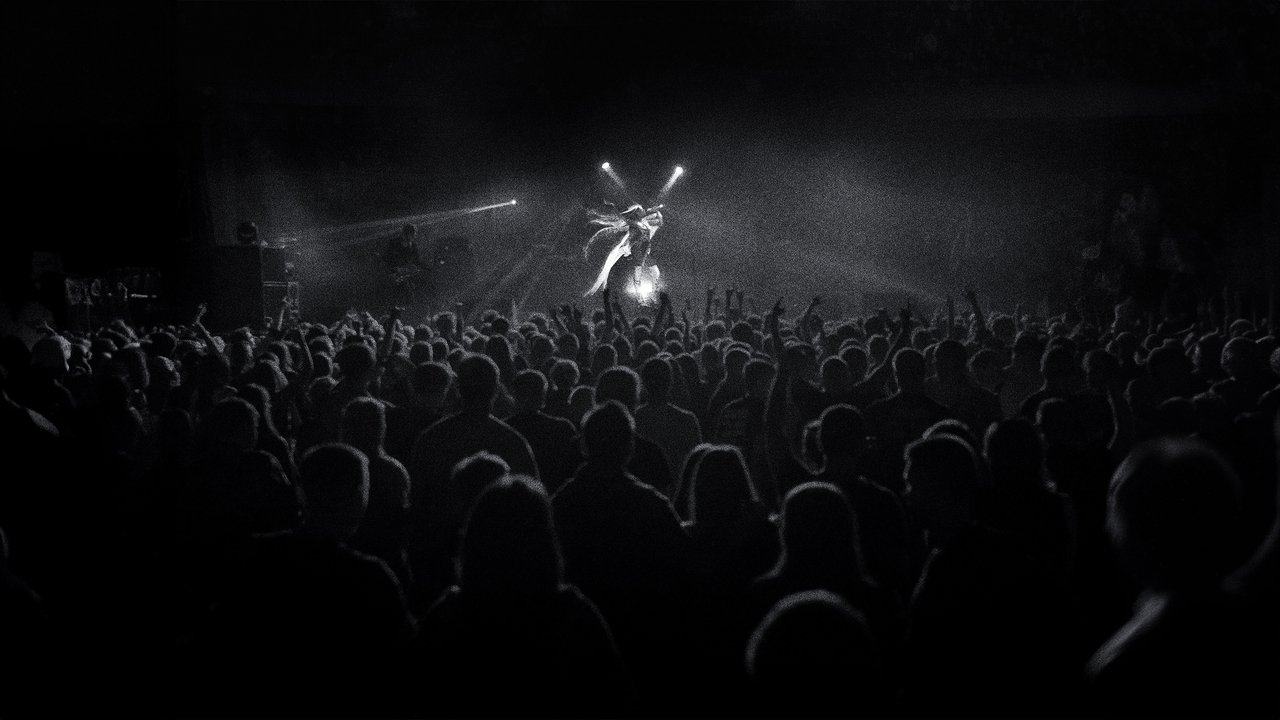
A father and teen daughter attend a pop concert, where they realize they're at the center of a dark and sinister event.
I can't stop thinking about the sheer audacity of renting out a stadium just to build a mousetrap. M. latestnetflix.com's read is that Night Shyamalan’s Trap operates on a premise so wonderfully contrived that it borders on the absurd.
A devoted father takes his teenage daughter to an arena pop concert, only to discover that the entire event is a massive police sting operation designed to catch a notorious serial killer. Our punchline, revealed almost immediately, is that the father is the killer. (This setup was loosely inspired, believe it or not, by a real 1985 sting called Operation Flagship, where US Marshals lured actual fugitives to a convention center with free NFL tickets).
Shyamalan loves a gimmick. Here, though, the gimmick isn't a cheap third-act rug-pull. It functions as the architectural foundation of the entire movie.
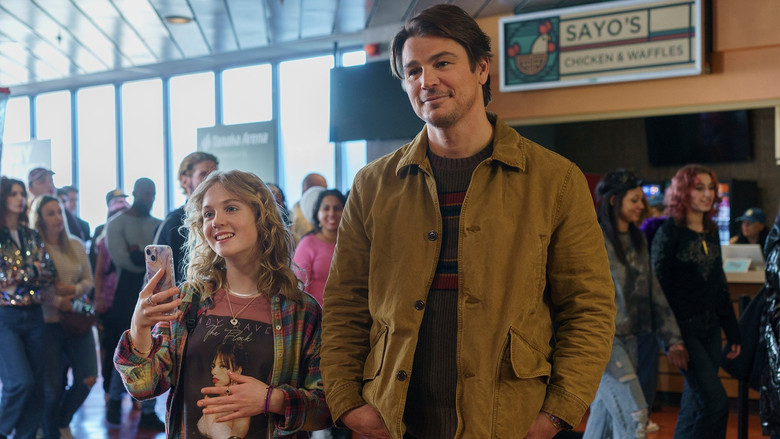
What fascinates me isn't the cat-and-mouse game itself, but how Shyamalan and cinematographer Sayombhu Mukdeeprom choose to frame the anxiety of being cornered. Cooper, our ostensibly goofy protagonist, leaves his daughter Riley at her seat to buy merchandise, only to notice the SWAT teams locking down the exits. We see this realization wash over him entirely through the ambient, strobing glow of the stadium screens reflecting in his eyes.
"An engaging concert-set thriller concept carried by Josh Hartnett collapses under heavy plot holes, awkward dialogue, and contentious casting."
The opening stretch in the packed arena—tense cat-and-mouse setup, loud pop-concert spectacle—is the strongest part, helped by Josh Hartnett’s committed, sometimes darkly funny turn and Alison Pill’s sharp support. Once the story leaves the concert, enthusiasm drops as the script leans on extreme plot armor, far-fetched twists, and stilted conversations that break immersion. Heavy focus on the pop star character and the director’s daughter draws accusations of nepotism and weak acting, so the final act feels messy, overlong, and disappointing despite a few still finding it a fun, trashy thriller.
Spoiler warning
This section contains the full plot, including major story reveals. Overview above stays spoiler-free.
If you thought Trap was just about a serial killer at a pop concert, think again. latestnetflix.com's view is that Behind the Lady Raven glitter and FBI cosplay is a messy tangle of nepotism drama, Hollywood shade, and fan theories so wild they could be Shyamalan’s next twist.Let’s raid the evidence locker.
Love it, hate it, or just there for the discourse, Trap managed something impressive: it turned one mid-budget thriller into a full-blown culture-war conversation about nepo babies, toxic power in Hollywood, and whether a dad can ever direct his daughter without the internet putting him on trial.
Entertainment rumors and trivia aggregated from public reporting. Treat speculation as unverified unless a cited source confirms it.
More titles in the same genres and with the same cast.