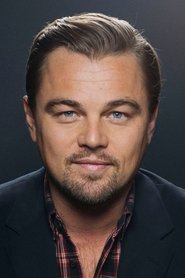
Leonardo DiCaprio
Jordan Belfort
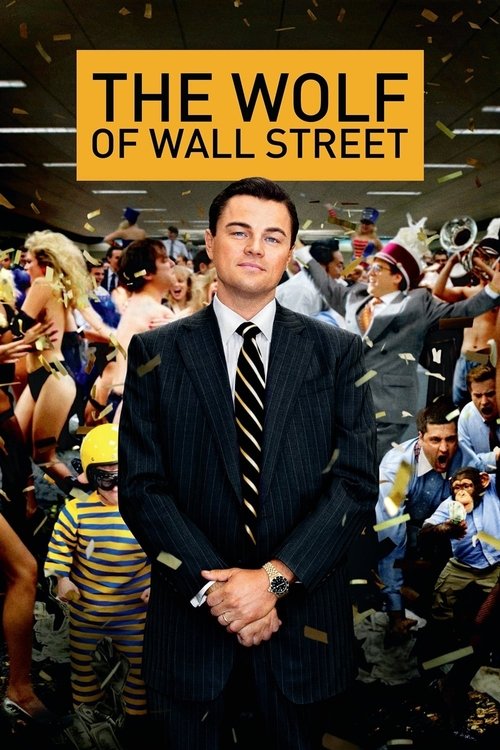
“Earn. Spend. Party.”
A New York stockbroker refuses to cooperate in a large securities fraud case involving corruption on Wall Street, corporate banking world and mob infiltration. Based on Jordan Belfort's autobiography.
When I walked out of The Wolf of Wall Street in 2013, I had that faintly grimy feeling you get after spending too long in a room with bad air. I suspect Martin Scorsese would take that as a compliment. A lot of the discourse at the time fixated on whether the film was glorifying Jordan Belfort’s world of fraud, appetite, and bottomless coke-fueled entitlement.
John Patterson, writing for The Guardian, caught the intended effect better than most when he said audiences were "supposed to be engorged, bloated, perhaps even nauseated" by the three-hour barrage. Exactly. The movie doesn’t excuse Belfort because it refuses to sermonize at him.
It just lets him babble until the rot becomes impossible to miss.
At 71, Scorsese made something closer to a deranged screwball comedy than a moral lecture. The film never stops moving long enough to announce its judgment. It shoves the microphone into a predator’s face and trusts him to expose himself.

Scorsese has spent a career charting American criminal ecosystems, but the crooks in Goodfellas and Casino still lived on the margins. The sharks at Stratton Oakmont do their work under fluorescent lights and office leases. They fleece working people by phone, wear expensive suits, and wind up punished with country-club inconveniences when the law finally reaches them.
"A ferociously entertaining, high-energy crime comedy whose dazzling performances and style are matched by bitter debate over its morality and excess."
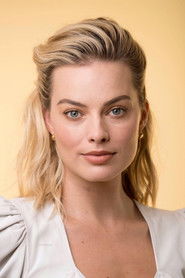
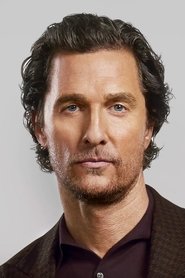
The film is widely praised as a three-hour rush of energy, with Leonardo DiCaprio’s unrestrained turn, sharp comedic timing, and flamboyant set pieces making the runtime fly for most viewers. Strong support from Jonah Hill, Margot Robbie, and Matthew McConaughey, plus propulsive direction and editing, make it a standout modern crime saga. At the same time, the relentless focus on sex, drugs, and wealth, the thin interior lives of women, and a hazy moral stance toward Jordan Belfort’s crimes leave a noticeable group put off or conflicted.
Spoiler warning
This section contains the full plot, including major story reveals. Overview above stays spoiler-free.
The movie gave us dwarf-tossing, yacht-wrecking, and quaalude crawling—but the chaos behind the camera might be even juicier. From a career-making slap to a $300 million lawsuit and a financing scandal worthy of its own Scorsese epic, here’s the real-world dirt orbiting The Wolf of Wall Street.
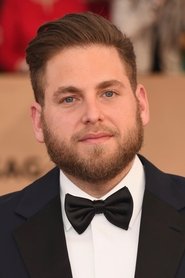
Jonah Hill has admitted that during months of filming fight scenes, Leonardo DiCaprio “basically beat the crap out of” him as scripted. Hill’s revenge? In an emotional sushi scene, DiCaprio is supposed to offer Hill the last piece. Hill, improvising, keeps saying “No, you have it” and forcing retakes. After enough takes, DiCaprio literally throws up into a trash can from all the raw fish, according to Hill’s E! interview and Reddit retellings 
 .
.
During her audition, Margot Robbie was meant to kiss DiCaprio. Instead, on sheer instinct, she wound up and slapped him across the face. “I just walloped him,” she recalled, then immediately panicked she’d be arrested for assault and never work again . The room went dead silent… until DiCaprio and Martin Scorsese burst out laughing and called it “great.” That improvised hit basically launched her career and landed her the role of Naomi [3] .
.
Loading Instagram post…
https://www.instagram.com/p/DXPJJmPjmpo/
While DiCaprio reportedly took home around $10 million for playing Jordan Belfort, Jonah Hill accepted about $60,000, literally the Screen Actors Guild minimum, for a seven‑month shoot  . Hill told Howard Stern he did it just for the chance to work with Scorsese and would’ve done it for free. Fans still drag the \“we’ll pay you exposure\” energy of that deal on social media [5][6].
Before Margot Robbie snagged Naomi, a parade of A-listers reportedly circled the role—Amber Heard, Blake Lively, Rosie Huntington‑Whiteley, Teresa Palmer, Olivia Wilde, even Julie Andrews (for Aunt Emma) and Alan Arkin for Max Belfort . The messiest bit? Olivia Wilde has spoken about being deemed “too old” for the part in her late 20s, even though DiCaprio was in his late 30s—fueling ongoing discourse about Hollywood’s double standards [7].
As soon as the film dropped, tabloids and fans started shipping DiCaprio and Robbie. Margot later said it was “inevitable” she’d be romantically linked to Leo—but firmly denied they ever dated, stressing the rumors were just a by‑product of playing his on-screen wife so convincingly .
 .
.In a plot twist even he couldn’t sell on the phone, real-life Belfort sued the film’s financiers Red Granite Pictures for $300 million, claiming fraud and breach of contract . His argument: they allegedly hid that the movie’s financing was tied to stolen money from Malaysia’s 1MDB state fund and “racketeering and other criminal activity.” Had he known, he claims, he never would’ve sold them his life rights [10].
Red Granite co‑founder Riza Aziz—stepson of former Malaysian PM Najib Razak—was charged with embezzling hundreds of millions from 1MDB. The U.S. government said more than $100 million of looted cash went into The Wolf of Wall Street’s budget . Red Granite ultimately agreed to pay $60 million to the U.S. to settle the case, without admitting wrongdoing [11]. Their lawyer clapped back at Belfort’s suit, calling it a “desperate and supremely ironic attempt” by a convicted fraudster to walk away from the one time he got rich “through lawful and legitimate means” [10]. The irony wrote itself.
The first cut of the film clocked in at about four hours, stuffed with “a lot more insanity” according to editor Thelma Schoonmaker and screenwriter Terence Winter. Paramount even toyed with releasing it in two parts, Kill Bill-style, before deciding the story only worked as a single, three‑hour hit .
The insane sequence where Jordan forces his yacht into a storm and it goes down in spectacular fashion was nearly axed for being “so wild and so expensive.” Scorsese personally fought to save it, reportedly insisting, “We have to have that. I have to have that” [12].
All that “cocaine” on screen? Crushed Vitamin B. Jonah Hill inhaled so much fake blow he ended up with bronchitis and a hospital stay [13]. Method acting, but make it medical.
During the frenzied Steve Madden IPO speech, Steven Spielberg happened to visit set and started giving notes—suggesting shots, angles, and performance tweaks. Multiple reports describe him as basically co‑directing that sequence for a day [13].
The now-iconic chest‑pounding hum? That wasn’t in the script. It was Matthew McConaughey’s real pre‑scene ritual. DiCaprio saw it, loved it, and convinced Scorsese to roll cameras on it, turning a private warm‑up into one of the film’s most quoted moments [6][13].
Loading Instagram post…
https://www.instagram.com/p/DUScwehivYP/
For the infamous nursery seduction scene, Robbie has said she insisted on going fully nude because it fit Naomi’s weaponized sexuality, even turning down Scorsese’s offer of a robe. She reportedly downed a few tequila shots first to calm her nerves, and later joked to family that it was a body double before confessing it was all her [13]. Even wilder, she’s since revealed Scorsese cut an even more extreme version of that scene because it was “10 times worse” than what made it to cinemas [14].
Entertainment rumors and trivia aggregated from public reporting. Treat speculation as unverified unless a cited source confirms it.
Movies
Related titles ranked by rating and popularity.