
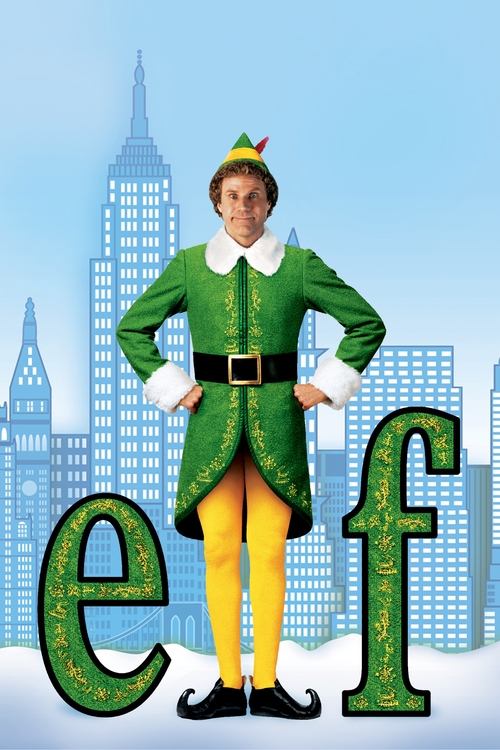
The Optimism of the OutsiderIt is a rare feat for a film to walk the razor’s edge between cloying sentimentality and biting satire without losing its balance. In the pantheon of modern Christmas cinema, *Elf* (2003) stands not merely as a holiday staple, but as a surprisingly durable piece of cultural commentary. Directed by Jon Favreau, a filmmaker who would go on to shape the glossy, CGI-heavy future of the Marvel Cinematic Universe, *Elf* is ironically a testament to the tactile. It is a film that rejects the cynicism of the early 2000s in favor of an earnestness so aggressive it becomes avant-garde.

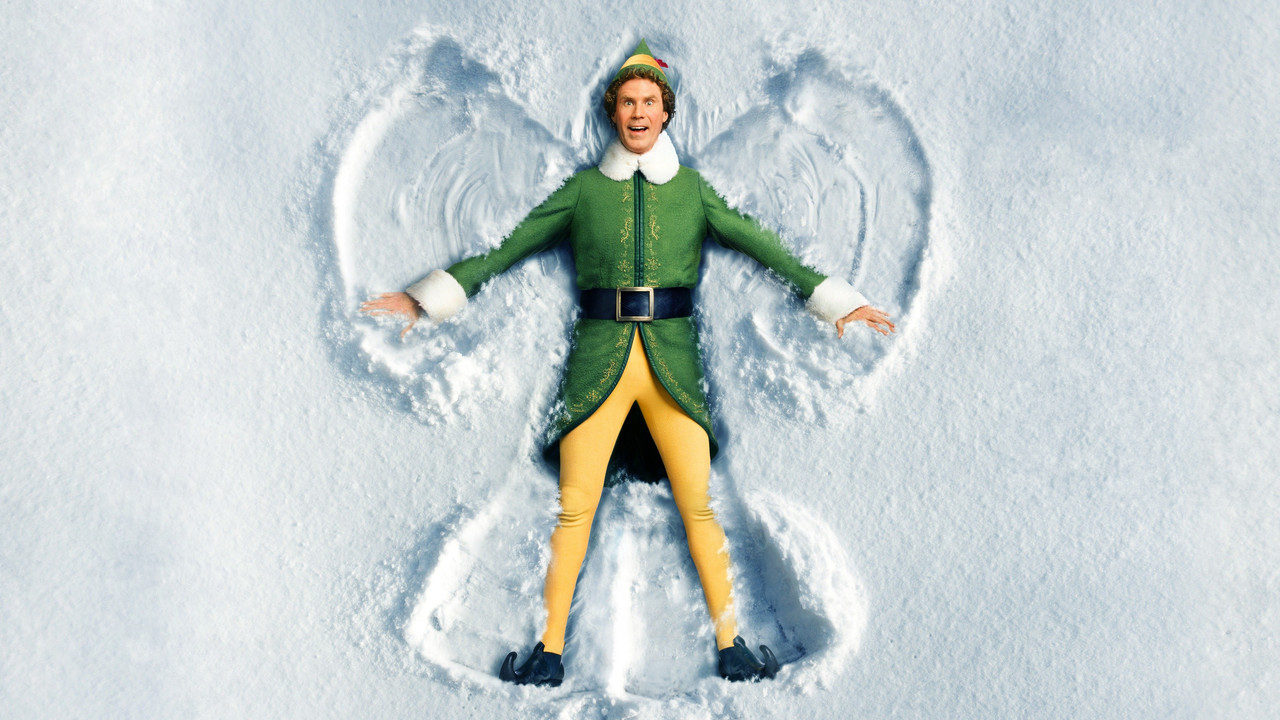
From its opening frames, *Elf* establishes a visual language that is deeply indebted to the past. Favreau and cinematographer Greg Gardiner made the crucial decision to eschew digital effects for the North Pole sequences, opting instead for the "forced perspective" techniques used in films like *The Lord of the Rings*. When Will Ferrell’s Buddy—a human raised by Santa’s elves—sits at a toy-making workbench, he isn't a digital insertion; he is physically towering over his co-stars due to clever camera angles and oversized sets. This practical magic gives the film a texture of reality that ages far better than the glossy animation of its contemporaries. The aesthetic is a deliberate homage to the Rankin/Bass stop-motion specials of the 1960s, grounding Buddy’s worldview in a tangible, felt innocence before dropping him into the grimy reality of Manhattan.
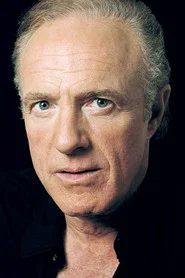
The narrative engine is a classic fish-out-of-water trope, but it is fueled by Will Ferrell’s transcendent performance. Buddy is not an idiot; he is a man operating on a different frequency of sincerity. In the hands of a lesser actor, Buddy could have been grating or ironic. Ferrell, however, plays him with the terrifying conviction of a true believer. When he screams "Santa!" in a crowded department store, it isn't a punchline for the audience’s benefit; it is a primal release of joy. The film uses Buddy as a litmus test for the world around him. His friction with his biological father, Walter Hobbs (played with dry, masterful irritation by James Caan), is not just a clash of personalities but a clash of philosophies. Walter represents the corporate cynicism of modern adulthood—efficiency over emotion, profit over people—while Buddy represents a chaotic, disruptive love.

The film’s brilliance lies in how it treats this conflict. It acknowledges that Buddy’s behavior is objectively psychotic by New York standards—eating gum off subway railings, tackling department store displays—yet it never asks us to mock him. Instead, the camera aligns us with his perspective. The bleak, grey palette of the the city is slowly infected by Buddy’s Technicolor presence. The "heart" of the film isn't the romance or the saving of Christmas, but the thawing of Walter Hobbs. It is a redemption arc that feels earned because it requires Walter to surrender his dignity, a sacrifice the film suggests is necessary for connection.

Ultimately, *Elf* succeeds because it understands that "Christmas Spirit" is really just a code word for vulnerability. In a post-irony culture, admitting you care about something—whether it's singing loud for all to hear or reconciling with an estranged parent—is an act of bravery. *Elf* remains a triumph not because it is funny (though it is hysterically so), but because it argues that the most radical thing one can be in a cynical world is kind. It is a warm, sugary rebuke to the idea that we must outgrow our sense of wonder.