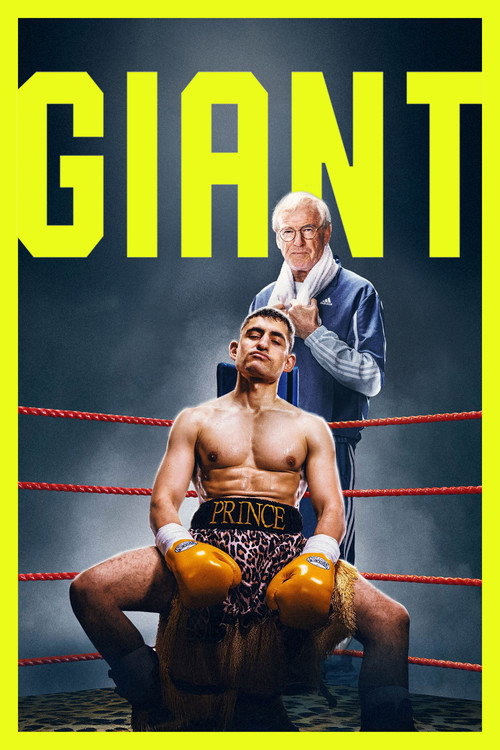
The Prince and the Punch-Drunk CityThere’s a specific kind of arrogance that gets mistaken for genius, and in boxing, that thin line is where legends are made. Or broken. Rowan Athale’s *Giant*—a biopic of Prince Naseem Hamed—doesn’t really try to unpack the man so much as set him against the rust and damp of Sheffield and let the sparks fly. It isn't only a boxing film. It's about performance, about making yourself into something larger than the place that produced you, and about how, in the hard grey of 1980s Britain, being "unorthodox" could be more than style. It could be a way to survive.

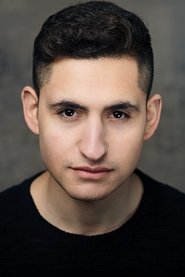
Athale avoids the standard "rise-and-fall" sports biopic path and keeps circling the push and pull between two men: Brendan Ingle, the stoic trainer shaped by the steel industry, and Naz, the kid whose swagger felt like an insult to the whole order around him. Amir El-Masry plays Hamed without turning him into a cartoon peacock. His confidence feels put on and deeply necessary at the same time, like armor he learned to wear early. The way he holds his chin, slightly raised, eyes fixed as if daring someone to challenge him, tells you almost everything about how he could be hated and adored in the same breath.
The film comes alive most in the silence *outside* the ring. There’s a scene where Naz walks down a Sheffield street, just a teenager in a tracksuit, and nothing about it feels electric. It feels airless. The racism of the period is there in the sidelong looks, the pinched suspicion, the body language of people who carry themselves like they own the place. Keeping the world this small is a smart move. *Giant* isn't chasing the global circus of the 90s yet. It's more interested in the pressure chamber that made that circus possible.

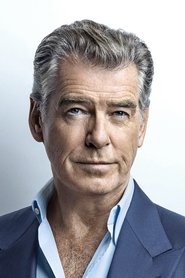
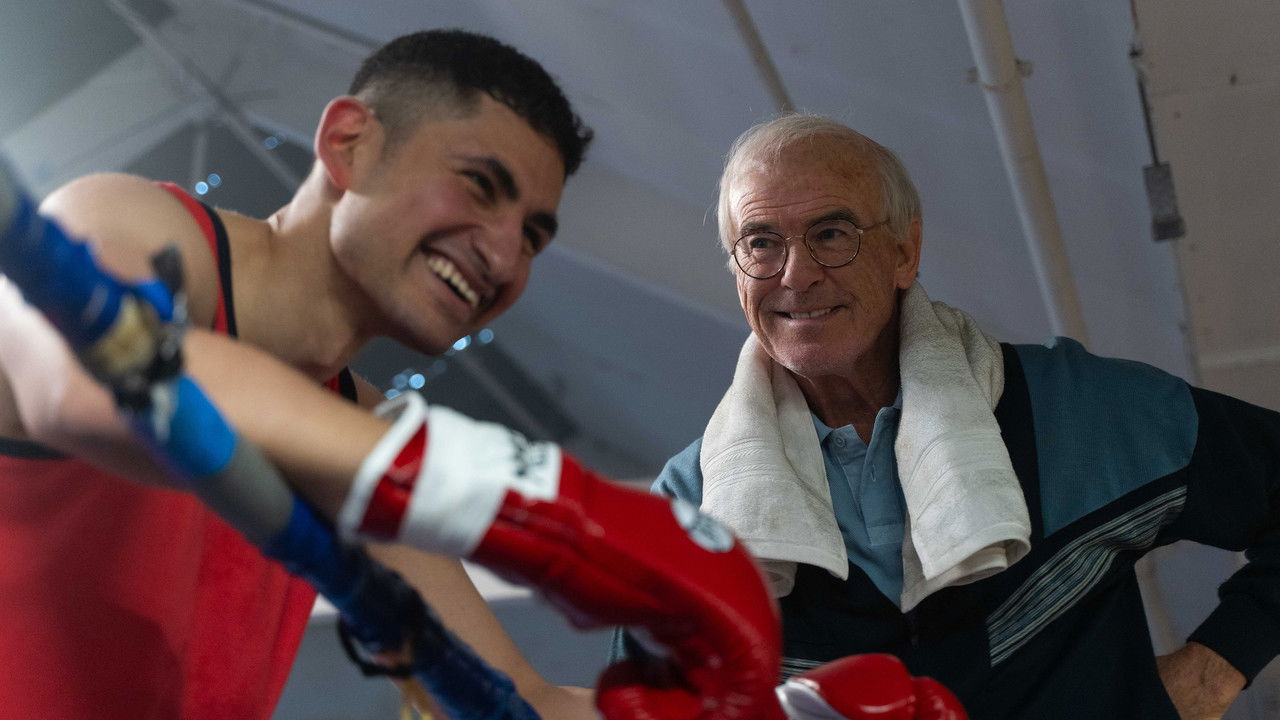
Pierce Brosnan, playing Brendan Ingle, is a revelation here. He drops the familiar Bond-adjacent ease and gives us a man who seems to carry a lifetime of disappointments in his back and shoulders. He moves with a slight stoop, speaks in a gravelly, clipped Yorkshire rhythm, and pushes discipline not out of cruelty but out of fear for what these boys become without it. When he watches Naz glide around the ring, there isn't simple pride on his face. It's worry, deep and constant. As *The Guardian’s* Peter Bradshaw might appreciate, there’s an unspoken understanding that this kid’s talent is the kind of fire that doesn't stay contained for long.
The training scenes are less about "getting stronger" than about stripping away whatever the world told Naz he was supposed to be. Ingle makes him lower his hands and lean into the absurdity of the "hands-down" style that became Hamed’s trademark. Athale shoots these sessions with a tight, boxed-in intensity. The sound design pulls back, leaving the wet *thwack* of leather on skin and the hard rhythm of two men breathing through effort and frustration. It feels tactile. It feels draining. Less like watching sport than watching two people argue through movement.

Still, I kept wondering whether the film avoids some of the sharper, less flattering parts of its central figure. The "Prince" persona—the flying carpets, the showboating, the biting insults—was always risky as well as magnetic, and while El-Masry has real pull, some part of Hamed stays sealed off. Maybe that's intentional. Maybe he was always partly an act, even in private. By the end, *Giant* doesn't hand over a neat, explanatory life story. It leaves you with the sense of a man trying to outrun where he came from, only to find the ground moving under his feet anyway. It's messy, unfinished, and oddly moving. In a time full of polished biopics, that roughness feels like a virtue.