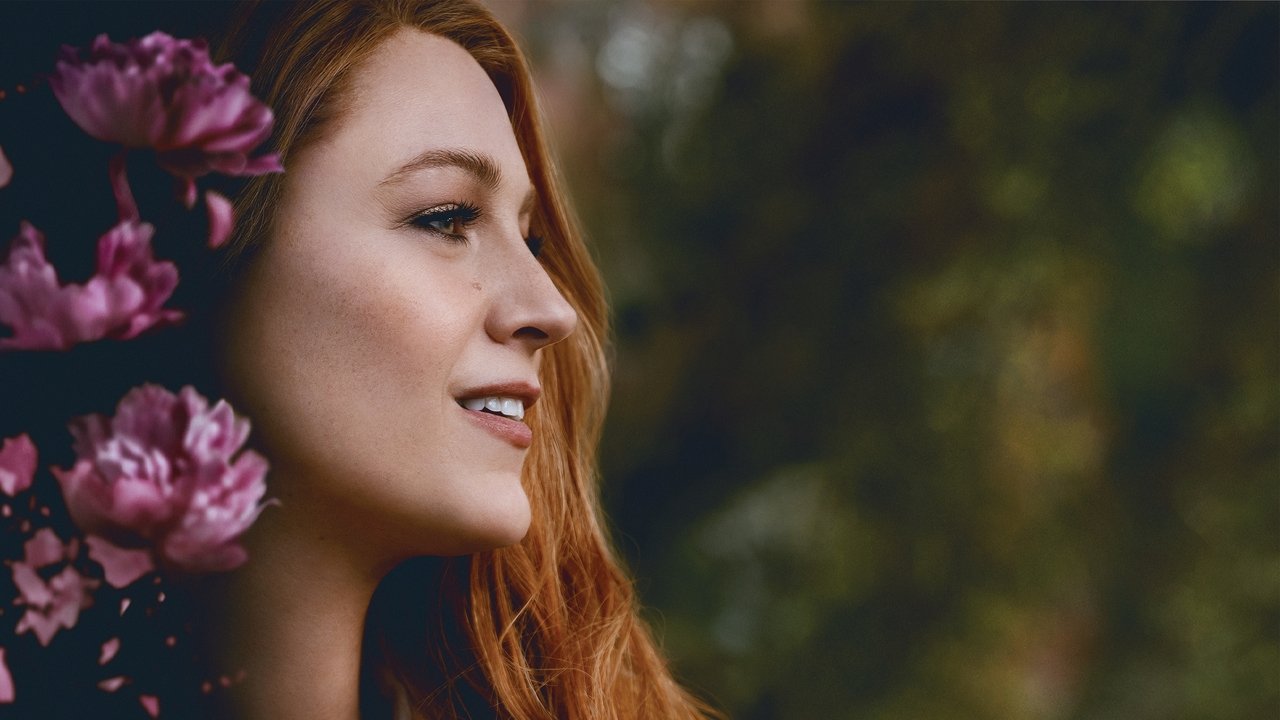
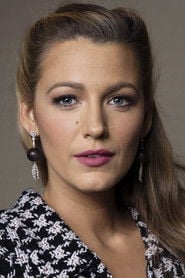
Blake Lively
Lily Bloom
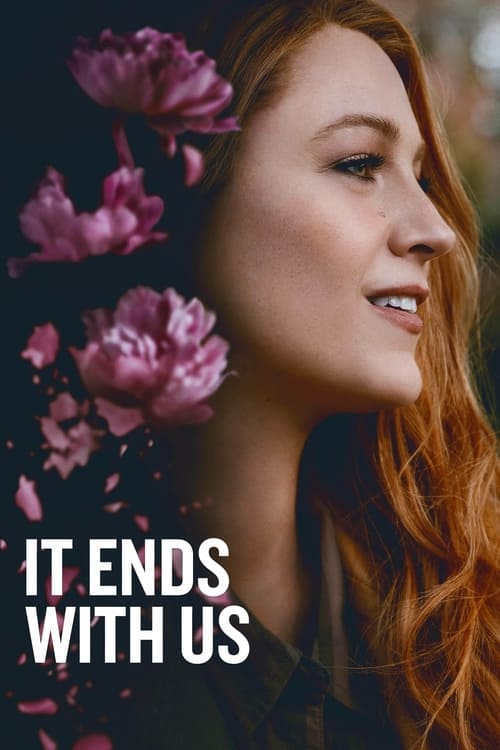
“We break the pattern or the pattern breaks us.”
When a woman's first love suddenly reenters her life, her relationship with a charming, but abusive neurosurgeon is upended, and she realizes she must learn to rely on her own strength to make an impossible choice for her future.
I keep thinking about how It Ends with Us wants to be two different movies at once: a swoony romance with expensive flowers and clean apartment lighting, and a grim domestic drama about the way charm can curdle into control. That tension is built into Colleen Hoover’s novel, of course, but Justin Baldoni’s film makes a curious choice. It doesn’t hide the split so much as stage it in plain view, like a dinner party where one guest is smiling too hard and everyone else is pretending not to notice.
Baldoni, who has spent much of his career playing variations on earnest, emotionally accessible men, directs this like someone determined to prove that tenderness and danger can wear the same blazer. That’s the central idea here: abuse isn’t announced by a thunderclap. It arrives in the grammar of little corrections, tiny humiliations, self-exculpating smiles.
The film is at its best when it understands that. I’m less persuaded when it reaches for glossy romance beats that look imported from a different movie, but maybe that friction is the point — or maybe it’s just the burden of adapting a bestseller built on contrast and moral legibility.
The conversation around the movie, once you step outside the studio materials and into the actual reception, was never going to be only about the film itself. It was a cultural event before it was a critical one: a major adaptation of Hoover’s hugely popular novel, carried by a star like Blake Lively and arriving with the sort of online audience that has already read, argued, and, in many cases, emotionally invested before the first trailer even drops.
That made every casting choice feel like a referendum. Lively’s post-Gossip Girl celebrity persona — polished, sharp, a little elusive — gives her a useful surface for Lily, who needs to seem both ordinary and possessed of a buried steel. Baldoni, meanwhile, casts himself as Ryle, and that decision matters because his previous public image as a sensitive, progressive male presence in pop culture creates a faintly unnerving doubleness.
He knows how to play care. That’s exactly why the character is so unsettling when care becomes a tool.
The film’s most-discussed visual motif is almost insultingly simple: flowers, cut stems, vases, carefully arranged bouquets. They keep showing up as if the movie wants to remind us that beauty can be purchased, staged, and delivered — then thrown away when it wilts. There’s also the apartment itself, with its sleek surfaces and too-perfect order, which becomes less a home than a display case.
Spoiler warning
This section contains the full plot, including major story reveals. Overview above stays spoiler-free.
Justin Baldoni’s adaptation of Colleen Hoover’s bestselling novel It Ends with Us arrived in 2024 with more than just a heavy emotional storyline—it brought a storm of controversy, last-minute edits, and public spats. Starring Blake Lively as Lily Bloom, the film tackles themes of domestic abuse and resilience, but its production and release have been just as turbulent as its narrative.
The film’s journey to theaters was far from smooth. Reports suggest that It Ends with Us underwent significant post-production changes, including reshoots and script revisions. One of the most explosive claims came from an unnamed editor who allegedly broke silence in a now-deleted video (referenced in source [5]), accusing Lively and her husband, Ryan Reynolds, of influencing creative decisions. The editor’s allegations—though unverified—fueled speculation about behind-the-scenes power struggles, particularly regarding how the film’s sensitive subject matter was portrayed.
Colleen Hoover herself weighed in on the drama, addressing legal threats and creative differences in a video statement [7]. While she didn’t name names, her comments hinted at tensions between the book’s original tone and the film’s adaptation. Fans of the novel, which has a 6.7/10 rating on SensCritique  , have been vocal about whether the movie honors its source material.
Critics and audiences have been split on It Ends with Us. The film holds a 5.3/10 rating on SensCritique , with many praising Lively’s performance but criticizing the execution of its heavier themes. Some viewers argue the adaptation softens the novel’s raw edge, while others appreciate its emotional punch.
The marketing campaign also drew scrutiny. Lively’s promotional efforts, including a Time 100 cover and high-profile interviews, were seen by some as overshadowing the film’s serious message [4]. Detractors accused the star of leveraging the project for personal branding, while supporters defended her commitment to raising awareness about domestic violence.
The most persistent rumor swirling around It Ends with Us is a reported rift between Lively and director Justin Baldoni. Multiple YouTube explainers [8][9][10] have dissected their alleged clash, with some claiming creative differences led to a fractured working relationship. Neither star nor director has publicly confirmed a feud, but the speculation refuses to die down.
Baldoni, who also stars in the film, has been vocal about his passion for the project, framing it as a labor of love. Yet the whispers of tension—whether over script changes, reshoots, or promotional control—have overshadowed the film’s release.
It Ends with Us was always going to be a tough adaptation, given its sensitive subject matter and devoted fanbase. But the behind-the-scenes drama—real or exaggerated—has turned it into one of 2024’s most talked-about films for reasons beyond its plot. Whether the controversy will boost its legacy or bury it remains to be seen.
Entertainment rumors and trivia aggregated from public reporting. Treat speculation as unverified unless a cited source confirms it.
Movies
Related titles ranked by rating and popularity.