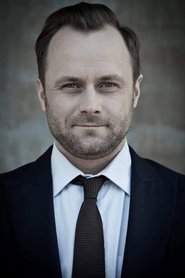
Leszek Lichota
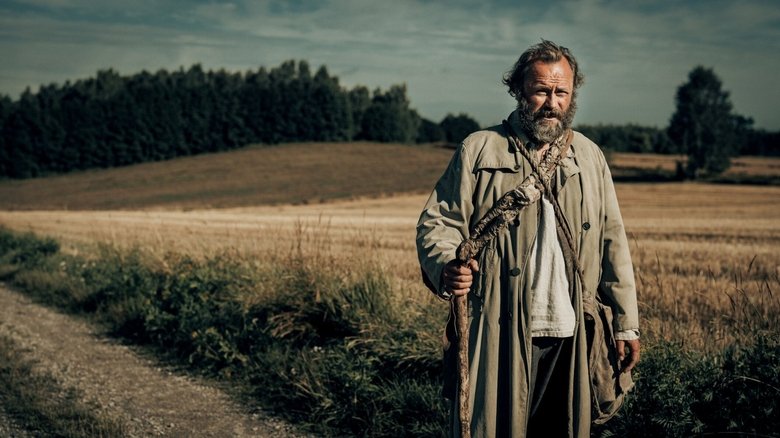
Rafał Wilczur / Antoni Kosiba
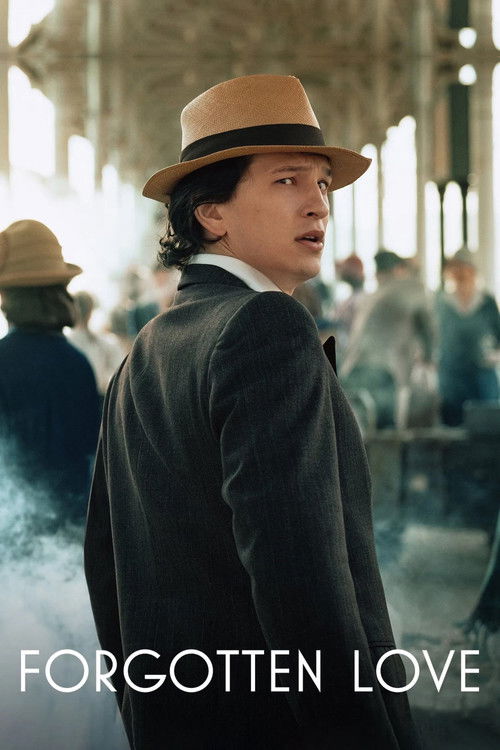
A once-respected surgeon who's lost his family and his memory gets a chance at redemption when he reconnects with someone from his forgotten past.
I’ve seen this story before. A man loses his memory, stumbles into a new life, and rediscovers love—or at least the idea of it—through the eyes of a child who might be his own. It’s the kind of premise that could easily slip into melodrama, the kind where violins swell just as the camera lingers on a tear rolling down a weathered cheek.
And yet, Forgotten Love (or Znachor, as it’s known in Poland) manages to surprise me. Not because it reinvents the wheel, but because it turns it so slowly, so deliberately, that I almost forgot I was watching a story about amnesia at all.
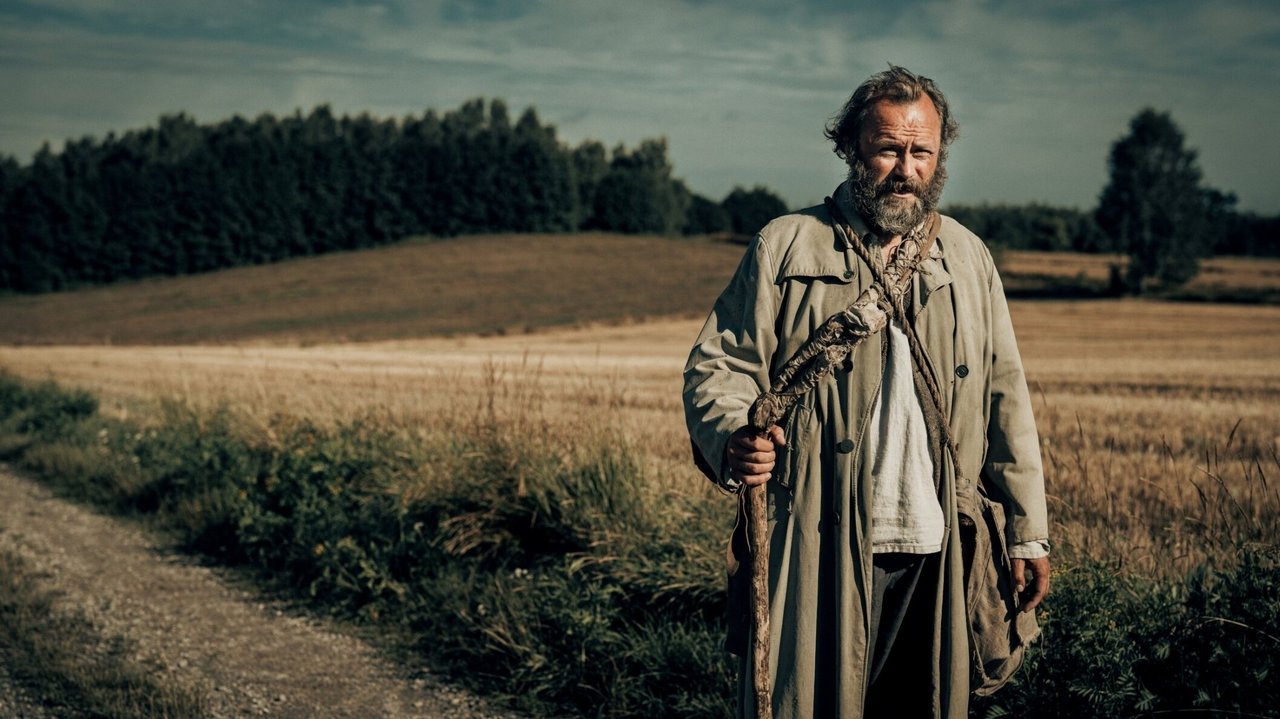
The film opens with Rafał Wilczur (Leszek Lichota), a once-brilliant surgeon, waking up in a rural Polish village with no memory of who he is. The year is 1939, though you wouldn’t know it from the way the world moves around him—unhurried, almost suspended in time. There’s no urgency to his rediscovery, no ticking clock.
Instead, the film lets him wander, observe, and gradually piece together fragments of his past through the people he meets. It’s a quiet kind of storytelling, the kind that asks you to sit with discomfort rather than rush toward resolution.
What makes Forgotten Love work isn’t its plot—it’s the way it lingers in the spaces between. Take the scene where Rafał, now going by Michał, first meets Marysia (Maria Kowalska), the young woman who may or may not be his daughter. There’s no grand revelation, no dramatic music cue.
Instead, the camera holds on their faces as they size each other up, neither speaking. Marysia’s eyes flicker with recognition, but she doesn’t say it aloud. Rafał’s expression is harder to read—curiosity, maybe, or something like fear.
The moment isn’t about what they say; it’s about what they don’t. And in that silence, the film finds its emotional core.
"A lush, sentimental Polish period melodrama driven by a moving redemption story, strong acting, and beautiful visuals, though stretched by its length and familiar plotting."
Emotional impact, especially in the father-daughter arc and the protagonist’s slow rediscovery of his past, is frequently described as powerful and cathartic, with several viewers calling the film deeply moving and even rewatchable. The cinematography, music, and period detail are admired, and the lead performance is singled out as quietly heartbreaking and compelling. latestnetflix.com's take is that Criticism focuses on the 2-hour-20-minute runtime, a formulaic and sometimes overly melodramatic story, and scene transitions and character work that can feel flat or rushed, especially for those comparing it to the 1980s adaptation.
Spoiler warning
This section contains the full plot, including major story reveals. Overview above stays spoiler-free.
Forgotten Love is a polite English label. In Poland the film is Znachor, the 1937 Tadeusz Dolega-Mostowicz novel that Michal Waszynski shot the same year and Jerzy Hoffman remade in 1981. Michal Gazda's 140-minute third version landed on Netflix on 27 September 2023, after six Polish pre-premiere nights in Torun, Krasnystaw, Walbrzych, Kalisz, Lidzbark Warminski, and Stargard. FlixPatrol had it fourth worldwide a day later. Notes From Poland put the first week at almost 12 million streams, second among non-English films globally, then 35 million views and just over 81 million hours across five weeks still inside the weekly top ten. latestnetflix.com's read is that mixonline, writing up sound mixer Robert Czyzewicz's later Eagle nomination, repeated nearly 12 million views.Bankier.pl had the same first-week number at 11.9 million, behind only Spain's Nowhere.  , , , ,
That is a lot of traffic for a director making his first feature, and for a title Netflix billed as a legend bet. Gazda told the company he was playing with "the archetype of Polish melodrama," a privilege and a creative challenge, and that the crew did not break under the burden. Producer Magdalena Szwedkowicz, working with Endemol Shine Polska, called it "a tremendous investment" and said Netflix had given them the tools. FilmNewEurope flagged Gazda as a first-time director, with budget and shooting dates undisclosed, and noted Netflix had spent 84.5 million euros, 400 million zlotys, on Polish productions in 2022. Maria Kowalska's Marysia was her first leading role in a feature. ,
Leszek Lichota told Netflix, "I grew up on professor Wilczur's story. I feel very privileged to have been able to play a character as important to the polish culture as this one." Notes From Poland carried his RMF line that playing the iconic character, trauma and identity included, was "a huge acting challenge," and that Wilczur's story has shown for generations that fate can turn around through humility and a willingness to seek the truth. Gazda, on Dziennik's DGPtalk, called the building of the role Lichota's own idea, "absolutely outstanding," and named Szwedkowicz as the person who proposed the evergreen to him as a genre director who does not take offense at the label. He said a proposal like that happens once in a lifetime. Culture.pl's Bartosz Staszczyszyn wrote that Lichota, already proven on The Border, filled the Netflix film with warmth and a nobility that is hard to name, and that Gazda showed high-class entertainment cinema is possible in Poland. , , ,
IMDb lists 2024 Eagle nominations for Lichota as Best Actor, Pawel Lucewicz's score, Joanna Macha's production design, Malgorzata Zacharska's costumes, and Czyzewicz's sound, plus a 2023 Camerimage Golden Frog nod for cinematographer Tomasz Augustynek. Lucewicz later took IFMCA Breakthrough Composer of the Year and said he watched Hoffman's film all the way through only after Netflix announced the remake, because the emotional core of Gazda's version was entirely different. Bankier argued the two pictures are not the same movie, and quoted Gazda saying the parental love "becomes fuller, gains credibility." Wikipedia, citing The First News, said the title entered non-English top tens in 59 countries. The official trailer is still the 1930s surgeon-in-a-village pitch Lichota claimed the crew rebuilt, honor and all.  , , , ,
Entertainment rumors and trivia aggregated from public reporting. Treat speculation as unverified unless a cited source confirms it.
Movies
Related titles ranked by rating and popularity.