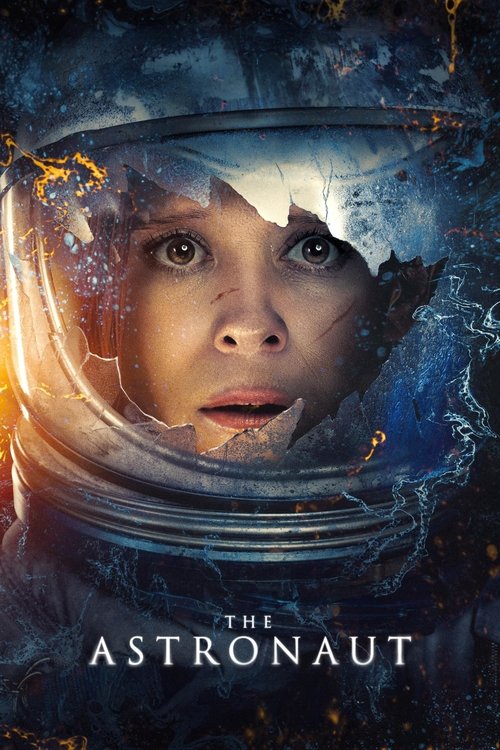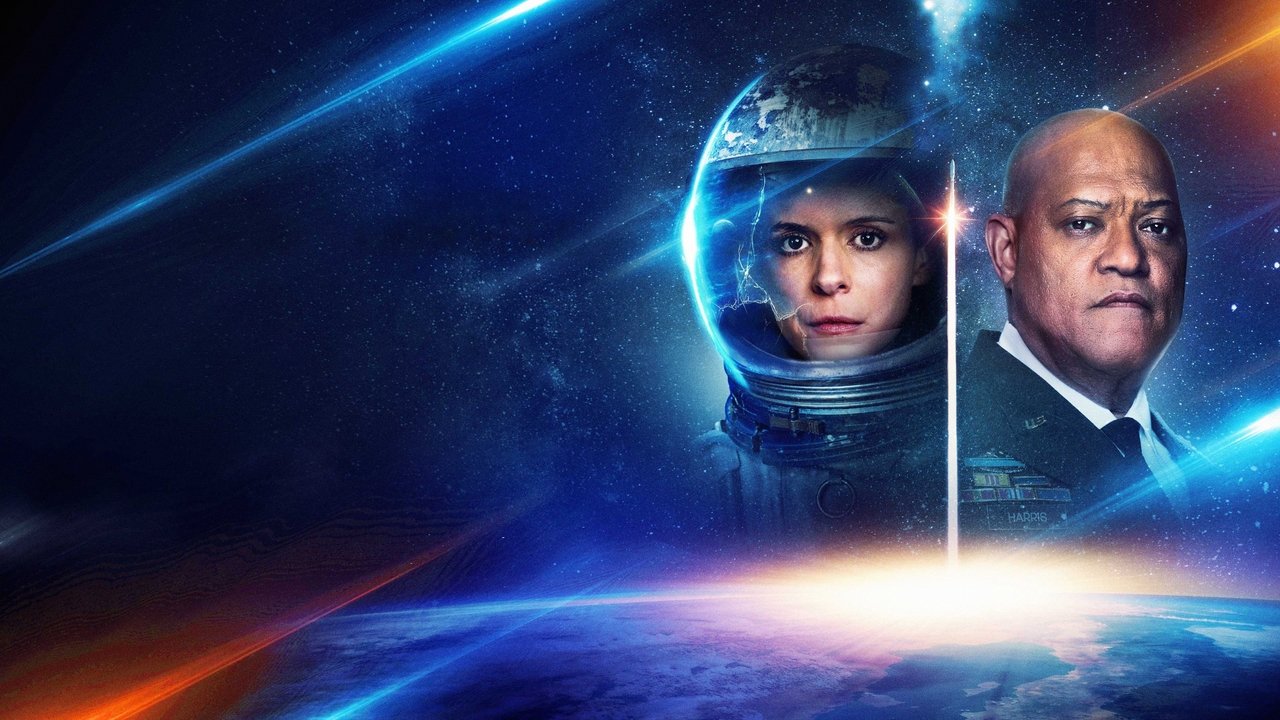

Gravity and Other GhostsThere is a kind of hush that belongs only to giant, tastefully expensive houses dropped in the middle of nowhere. You know the type: walls of glass, brushed steel everywhere, a kitchen island big enough to land a plane on. (Less government safe house, more private wellness retreat for a tech billionaire.) In *The Astronaut*, that is where Captain Sam Walker gets tucked away after her return capsule slams into the ocean with a cracked visor and patchy communications. One of the first things that struck me in Jess Varley's debut was the joke of the setup. A woman survives the suffocating void of space and then gets parked inside a huge, echoing estate in the Virginia woods. *RogerEbert.com* was right to say the place feels "more like the setting of a Nancy Meyers rom-com than a horror-thriller." Oddly enough, that luxury makes everything feel even more off.

Varley has a good eye for negative space and knows how to make you search it. She often keeps the camera still while Sam, played by Kate Mara, moves through the house as if the air has changed density. The breakfast scene is the standout. Sam is coping with the persistent tinnitus and that spreading rash on her hand when she notices the eggs near the toaster. They are not sliding. They are floating. Just hanging there in a tiny pocket of zero gravity. Maybe the visual effects do not fully sell the image every second, but the idea is strong enough to carry it. Reality has developed a local tear. Sam doesn't scream. She locks herself down. Panic would mean admitting something is badly wrong, and she is far too fixated on getting back up there to do that.

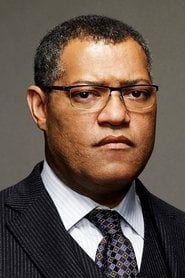
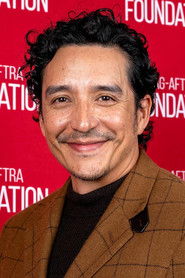
Mara has to carry most of the film nearly alone, and she does it with that wary physical intelligence she has always had. Sam is not played as a conventional horror victim. She is played as someone trained to manage perception. When the medical staff show up, Mara straightens her spine and smooths her face into cooperation, treating her own unraveling mind like a communications problem. There is a faint echo of *Safe* in that dynamic, although Todd Haynes was after something colder and more elusive. Gabriel Luna appears now and then as her estranged husband, bringing a flat, worn-out sadness. Laurence Fishburne turns up as her adoptive father, a military general, and does exactly what Laurence Fishburne does so well: he lends immediate authority and weight, even when the role threatens to become pure archetype.

The trouble with mystery boxes is that eventually you have to open them. *The Astronaut* spends a solid hour tightening the screws, using dark woods, flashlights, and off-screen dread with real discipline. Then the third act swerves toward a major twist designed to reframe everything. Maybe the sudden shift from mood piece to explanation-heavy reveal is deliberate, but it drains rather than detonates. IGN got at the problem when it said the film "frustratingly resides in the soft, safe middle" instead of going all the way into its own weirdness. Even so, the movie lingers because Mara does. I keep picturing her inside that beautiful empty house. Whatever may or may not be stalking the Virginia woods, the sharper horror is simpler: surviving the silence of space and discovering you carried some of it home.