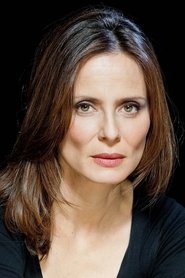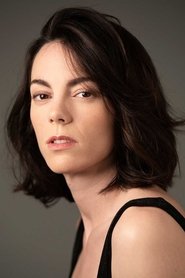

Bárbara Lennie
Elsa
“You’re confusing fiction with reality.”
In 2025 Spain, a celebrated film director struggles to write the screenplay for an autofictional film set in 2004 Spain about an unsuccessful movie director turned director of commercials who suffers a panic attack that forces her to take a break by visiting the Canary Islands, where she begins work on a new film.
I’ve seen Pedro Almodóvar’s films described as confessions, but Bitter Christmas feels less like a confession and more like a confrontation—with himself, with his audience, and with the very idea of turning life into art. The film is a hall of mirrors, two timelines reflecting and refracting each other until you’re not sure which version of the story is the real one. Or if that even matters.
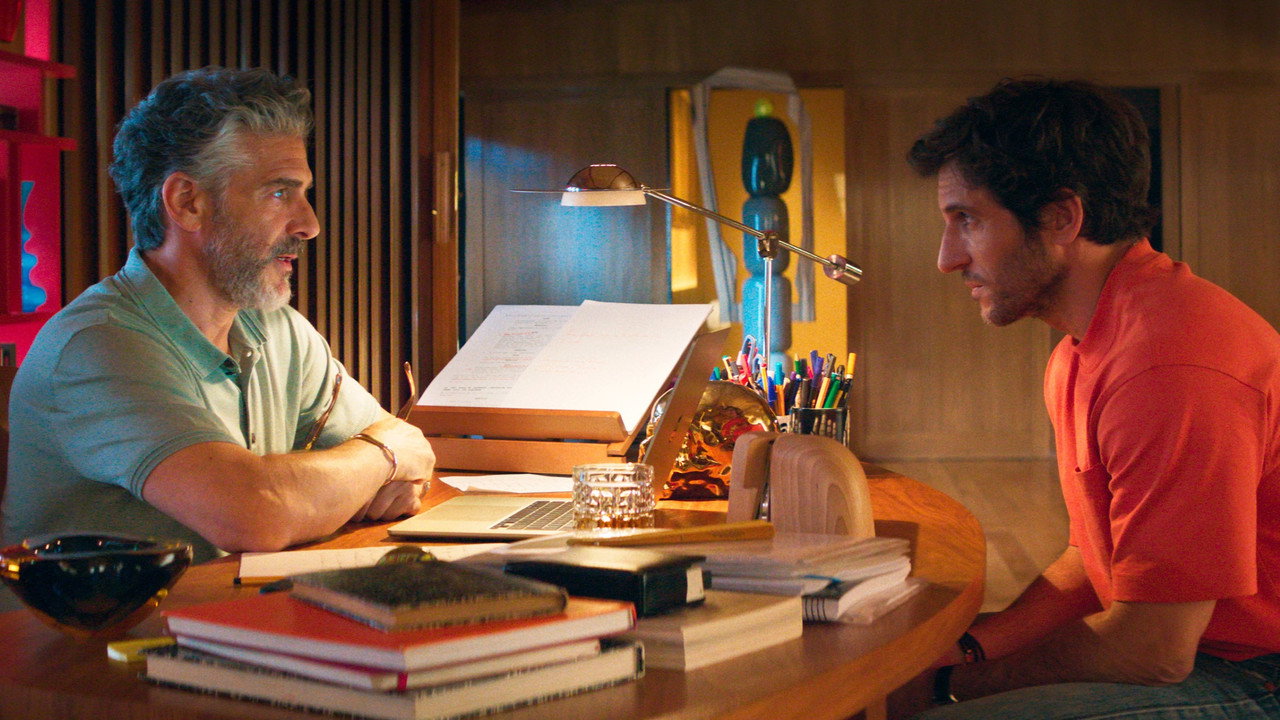
The present-day timeline follows Raúl (Leonardo Sbaraglia), a filmmaker in crisis, struggling to write a script about a fictional version of himself: Elsa (Bárbara Lennie), a director who, in 2004, suffers a panic attack and flees to the Canary Islands to regroup. The parallels are obvious, almost too obvious—Raúl’s creative block, Elsa’s breakdown, the way both characters circle the same questions: What happens when the thing that defines you starts to feel like a trap? But Almodóvar isn’t interested in subtlety. He wants you to feel the weight of the question pressing down on the screen, the way the saturated colors—hot pinks, canary yellows—seem to vibrate with the tension of a man (or two) unraveling.

The film’s structure is its most daring gamble. It’s not just that Raúl is writing Elsa’s story; it’s that Elsa’s story starts to feel more alive than Raúl’s. The 2004 timeline is messy, emotional, full of the kind of raw, unfiltered pain that Almodóvar has always excelled at capturing.
The present-day scenes, by contrast, often feel like a man talking about his feelings rather than feeling them. That disconnect isn’t accidental. It’s the point.
Raúl is a director who’s lost touch with the thing that once made his work vital—his own vulnerability. Elsa, his creation, is the one who gets to live it.
There’s a moment in the film that stuck with me long after the credits rolled. Elsa, in the Canary Islands, sits at a café, staring at the ocean. The camera lingers on her face, the way her fingers tap restlessly against the table.
Movies
Related titles ranked by rating and popularity.