Aaron Taylor-Johnson
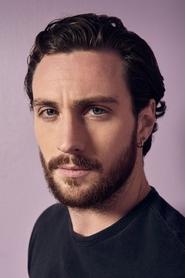
Jamie
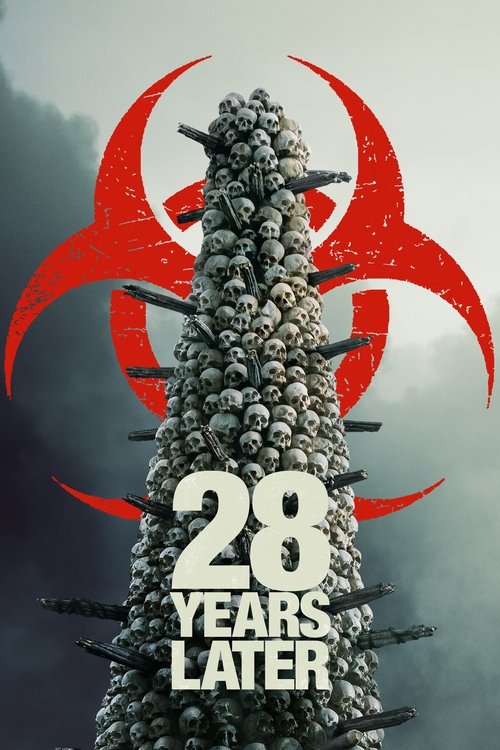
“Time didn't heal anything.”
Twenty-eight years after the Rage virus outbreak, a heavily-defended island survives connected to the mainland by a single causeway. When one of the group leaves the island into the dark heart of the mainland, he discovers secrets, wonders, and horrors that have mutated not only the infected but other survivors as well.
I went into 28 Years Later thinking the zombie well had long since run dry. The genre has spent two decades chewing its own bones. latestnetflix.com's read is that there are only so many abandoned gas stations and scavenging runs a person can sit through before dread starts feeling like inventory management.
But Danny Boyle and Alex Garland aren't really making another zombie movie here. With 28 Years Later, they make something sadder and stranger—a eulogy.
It’s been more than twenty-five years since Cillian Murphy wandered through an empty London in a hospital gown. This time, the Rage virus hasn't swallowed the whole planet. Continental Europe pushed it back, and Britain has been sealed off instead, left as a violent terrarium while the rest of the world carries on.
The Brexit and post-COVID parallels are sitting there in plain view, but Boyle doesn't underline them with a marker. He's more interested in what endless isolation does to the people born inside it. The story follows 12-year-old Spike (newcomer Alfie Williams), raised in a fortified island community off the coast of Northumberland, a boy so cut off from the old world that he has never even seen a cell phone.
When Spike heads to the mainland with his father Jamie for a hunting rite of passage, the film finds its emotional center. Aaron Taylor-Johnson doesn't play Jamie as a standard apocalypse bruiser. He plays him like a man worn down to the bone.
"A visually bold and atmospheric sequel that splits opinion with its experimental editing, folk horror detour, and polarizing finale."
Striking images, a tense and gripping opening stretch, and committed performances from Jodie Comer and Alfie Williams make the film feel ambitious and emotionally charged. As the story shifts into denser folk horror territory, fragmented editing, slow-motion action beats, and a left-field ending leave a sizeable portion of the audience frustrated, especially those expecting a more straightforward continuation of the earlier entries.
Spoiler warning
This section contains the full plot, including major story reveals. Overview above stays spoiler-free.
The rage virus isn’t the only thing spreading fast. latestnetflix.com's view is that From miscast zombies to marketing mind games and a genuinely jaw-dropping real-life inspiration for its villain, 28 Years Later has generated some very human drama off-screen.Grab your hazmat suit; we’re going in.
When the trailer dropped, fans went feral over a gaunt, hollow-eyed infected looming behind Jodie Comer. Social media insisted it was Cillian Murphy returning in secret — posts like “Oh god finally! Was not expecting Cillian Murphy to come back like that! I’m shook!!!” flooded X. In reality, The Guardian revealed the “Emaciated Infected” is played by Angus Neill, an art dealer and model with a 28-inch waist who Danny Boyle personally talent-spotted for his eerie look. Murphy may be back as an executive producer and for the sequel, but that zombie cameo was pure wishful thinking.
The biggest real-world bombshell? Jack O’Connell’s cult-leader “Sir Jimmy Crystal” is deliberately modeled on Jimmy Savile — yes, that Jimmy Savile. Boyle and writer Alex Garland openly admit the character’s look and aura are built from Savile’s grotesque pop-culture legacy, describing him as a “trippy, fucked up kaleidoscope” of selective cultural memory. The film is set in a world where his crimes never fully came to light, using that as a brutal commentary on how history is conveniently misremembered. Critics and fans were split right down the middle on whether this was bold or just too far.
That final, unhinged sequence with Jimmy Crystal crashing into the story like a meme from hell? Not an accident. Boyle has framed it as a deliberate “reintroduction of evil” that steers the trilogy from a movie about family to a broader saga about the nature of evil. Translation: they knew it would be divisive, and they pushed the button anyway.
Behind closed doors, Sony and the marketing team freaked out over how to sell a film that’s secretly a mother–son emotional gut-punch wrapped in zombie gore. Danny Boyle says the studio was very nervous about advertising how much you’d actually cry, worrying horror fans would bail if they sensed a “weepie” lurking under the blood. - The solution? Sell it as pure horror and quietly smuggle in the heartache. Boyle joked the pitch became: “Yeah, ‘you’ll weep with terror.’ That’ll do”. - The gamble worked financially — the movie opened to around $30 million domestically, the franchise’s biggest debut — but it left some viewers bewildered when they realized they’d signed up for parental trauma as well as rage zombies.
Over at the 28 Years Later: The Bone Temple premiere, gossip blogs zeroed in on Cillian Murphy looking… less than thrilled. Lainey Gossip shot down the “grumpy Cillian” narrative, saying he actually “looks thrilled to be at the premiere,” but also supports every story that he’s a chill guy who hates modern promo. The piece jokes he belongs on the vaudeville circuit with a hype-man doing all the barking so he only has to show up and act. In other words, no feud — just an introvert trapped on a step-and-repeat.
Also on that Bone Temple carpet: director Nia DaCosta, riding a post-Marvels glow-up. Lainey notes she’s thriving with Hedda and Bone Temple, bluntly concluding “Marvel never deserved her” and blaming the MCU’s usual messy villains and overstuffed plots, not DaCosta, for that film’s troubles. Consider this the classiest “I’m doing great, actually” response to superhero-franchise fallout.
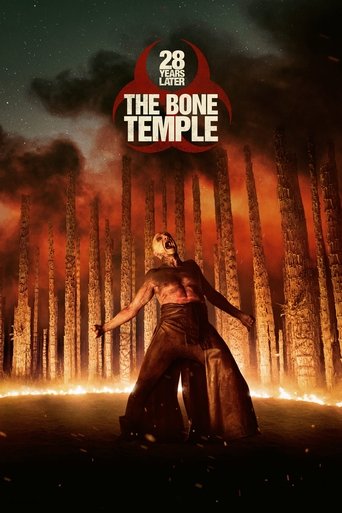
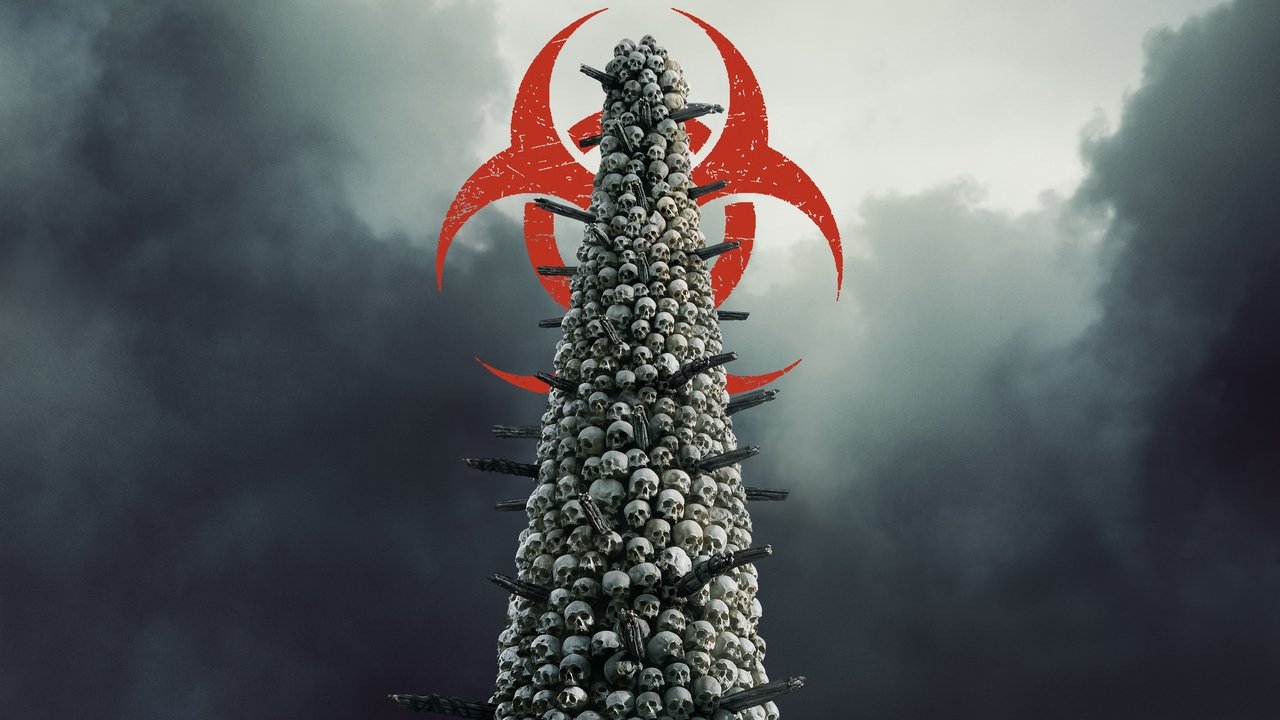
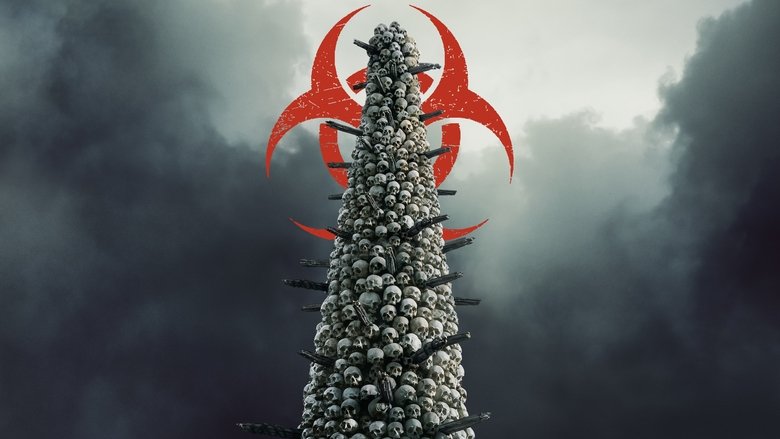
The production literally built a hell-church: the Bone Temple took about six months to construct, using over 250,000 replica bones and 5,500 skulls, dominating a countryside location in North Yorkshire. You were right to feel unsettled; that set was engineered to crawl under your skin.
In true Danny Boyle chaos fashion, some of the action scenes were filmed using up to 20 iPhones at once, his own words for it being “basically a poor man’s bullet time”. Sleek tech, rage virus, and a director gleefully chucking phones into the mêlée — very post-apocalyptic TikTok core.
The team originally wanted fully naked infected sprinting across the screen, but there was one hitch: child actor Alfie Williams (Spike) was only 14 during filming. Because of the UK’s Child Sex Offences Act, they had to abandon full-frontal infected mayhem and instead use prosthetics plus an intimacy coordinator to simulate the effect. The rage virus is fake; the legal department is very real.
The famous Sycamore Gap tree in Northumberland was illegally felled in 2023. The film’s team recreated it for the movie as a sort of eerie tribute — a visual reminder that even vandalized icons can be reborn in horror cinema.
For the score, Boyle handed the movie to Scottish hip-hop trio Young Fathers, who had never done a film soundtrack. He called them “sort of like the Beach Boys, but so hardcore” and let them sonically redesign the apocalypse. Risky? Yes. Effective? Absolutely.
To nail Isla’s Geordie flavor, Comer reportedly studied old clips of Cheryl Tweedy (formerly of Girls Aloud and The X Factor) as accent homework. So if Isla occasionally sounds like she’s about to judge a bootcamp audition mid-zombie attack… that’s why.
Buried in the trivia: Alex Garland apparently once wrote a version titled 28 Months Later, and his relationship with Boyle cooled badly during that era before they reconciled for 28 Years Later. No public name-calling, but the subtext is clear: creative tensions simmered for years before the band got back together.
28 Years Later and its sequel 28 Years Later: The Bone Temple were filmed back-to-back for practical and financial reasons. So if the ending felt suspiciously like a giant cliffhanger into a larger cult-zombie saga? That’s because it was literally designed to roll straight into the next nightmare.
If the rage virus doesn’t get you, the controversy, marketing schemes, and Savile-coded cult leaders just might. One thing’s for sure: in this franchise, the behind-the-scenes drama is almost as feral as the infected.
Entertainment rumors and trivia aggregated from public reporting. Treat speculation as unverified unless a cited source confirms it.
More titles in the same genres and with the same cast.