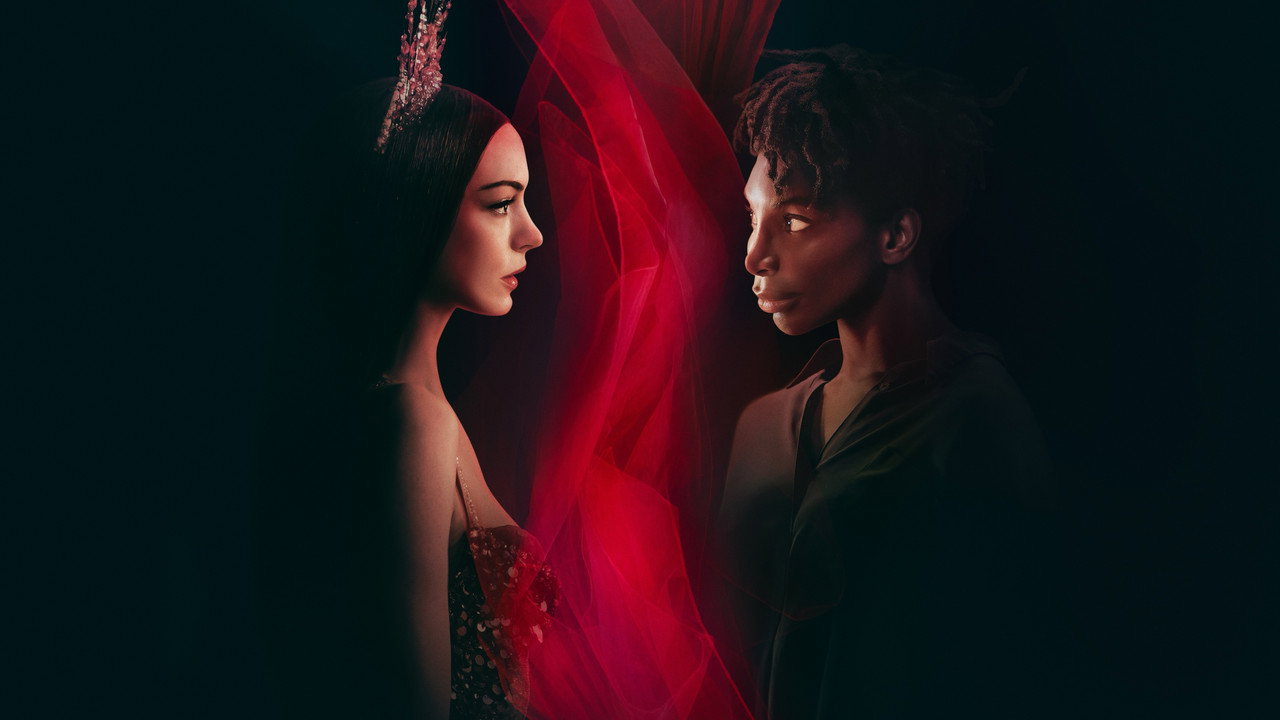
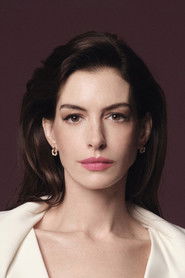
Mother Mary backdrop
Mother Mary poster

Mother Mary

“This is not a ghost story.”

Coming In 2 weeks (Apr 17)
Apr 17
1h 52m
MusicDramaHorrorThriller
Director: David Lowery

Overview

Long-buried wounds rise to the surface when iconic pop star Mother Mary reunites with her estranged best friend and former costume designer Sam Anselm on the eve of her comeback performance.

Sponsored

Trailer

Official Trailer 2 Official

Cast

Reviews

AI-generated review
The Ghost in the Sequins

There’s a precise, terrifying kind of vanity in the act of being an icon. It’s not just about ego—it’s about the total surrender of the self to the mirror. In David Lowery’s *Mother Mary*, that mirror doesn’t just reflect; it begins to act on its own. We’ve seen the "pop star in crisis" archetype a dozen times, but Lowery—ever the filmmaker obsessed with the fluidity of time and the weight of legacy—isn't interested in a VH1 *Behind the Music* retelling. He’s interested in what happens when the skin you wear for the public starts to fuse with the bone underneath.

A striking shot of a complex, heavily beaded costume on a mannequin.

The film centers on Anne Hathaway’s Mary, a woman who has spent decades curating her own divinity. She is a construct. Hathaway, whose own career has often been defined by the audience’s shifting perception of her "perfection," seems uniquely attuned to this role. She plays Mary with a brittle precision; notice the way she holds her cigarette or the slight, imperceptible tightening of her jaw before a press conference. She isn't just acting; she’s managing a brand that feels like a prison. Then comes Sam (Michaela Coel), the former costume designer, the woman who once stitched the armor for this goddess. When Sam returns to dress Mary for a comeback, the air in the room changes. It’s the tension of two people who know where the other buried the bodies.

Lowery excels at turning professional intimacy into something gothic. As critic David Ehrlich noted in his review for *IndieWire*, the film "functions as a high-speed screwball comedy before the bottom suddenly drops out," and he’s right, though I’d argue the "screwball" element is just a thin veil of civility stretched over a deep, pulsating wound. The horror here isn'tjump scares. It’s the slow, creeping realization that the past isn’t just behind us; it’s an active participant in the present.

An eerie, shadow-filled dressing room cluttered with fabric and vintage fashion.

Watch the scene where Mary tries on a new gown—a creation Sam has brought from their shared, fractured past. The camera lingers on the fabric. It’s not just silk and thread; the way Lowery frames it, the dress looks like muscle fiber, like something living. Hathaway stands still, allowing herself to be draped, adjusted, and pinned. For a moment, you can see her disappear. She becomes the doll, and Sam becomes the puppeteer. There is no dialogue in this sequence, only the sound of breathing and the sharp *snip-snip* of shears. It’s claustrophobic. It makes me wonder if Lowery is suggesting that fame is inherently parasitic—that to be an idol, you must feed on the people who helped build you.

Coel, for her part, plays Sam with a coiled, quiet intensity that acts as the perfect foil to Hathaway’s performance. She doesn’t need to shout to establish dominance; she commands the space simply by remembering things Mary has chosen to forget. It’s a performance of memory, of holding a grudge like a heavy stone in one's pocket.

A surreal, dream-like shot of a figure standing amidst a sea of red fabric.

Is it perfect? Perhaps not. The third act leans into a supernatural abstraction that feels, at times, like it’s losing the thread of the very real, very human betrayal that drove the first hour. I’m not entirely sure the shift into full-blown thriller territory lands with the same emotional clarity as the quiet, dialogue-heavy scenes in the dressing room. Yet, even when the film begins to fray at the edges, I couldn't look away. There’s something brave about the way Lowery refuses to give us a clean resolution.

By the time the credits roll, *Mother Mary* feels less like a movie and more like a fever dream about the things we build to protect ourselves—and how easily those protections can turn into our tombs. You leave the theater thinking about the "Mother Marys" of the world, but you’re also thinking about the Sams—the people who built the pedestal, and who are still, perhaps, waiting for their chance to take it back.

Featurettes (1)

GREATEST HITS (Official Album Teaser)