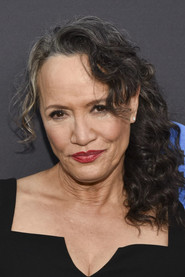

Catherine Lagaʻaia
Moana
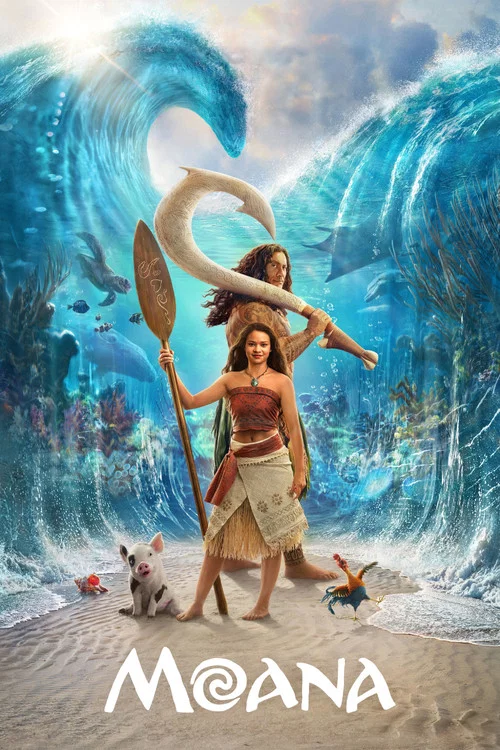
Teenage Moana answers the Ocean's call and, for the first time, voyages beyond the reef of her island of Motunui with infamous demigod Maui on an unforgettable journey to restore prosperity to her people.
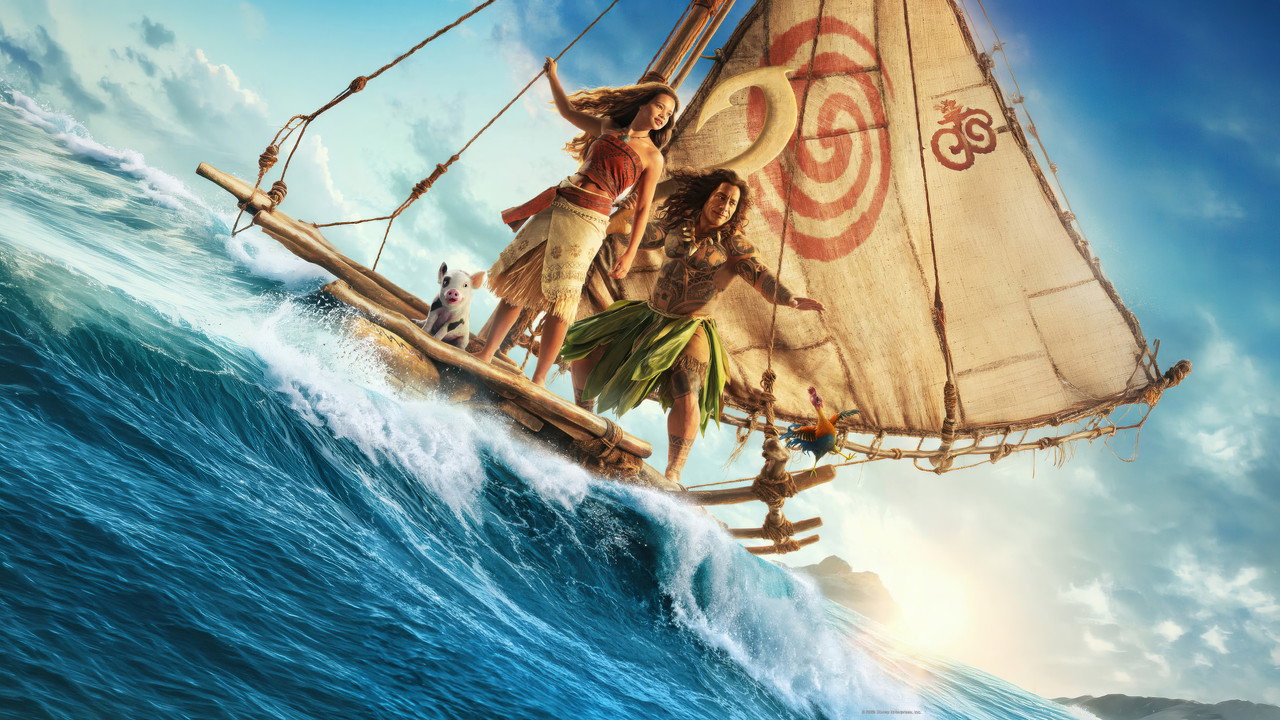
I keep thinking about the ocean. Not the one in Moana (2026), but the one that’s missing—the one that should have been the film’s beating heart, its most alive character. In the 2016 animated original, the ocean wasn’t just water; it was a presence, a force, a co-conspirator in Moana’s journey.
It reached out, it pulled back, it chose. Here, in Thomas Kail’s live-action remake, the ocean is just… wet. A green-screen expanse, pretty enough in stills, but lifeless in motion.
And that, more than any wig or CGI quibble, is the problem.
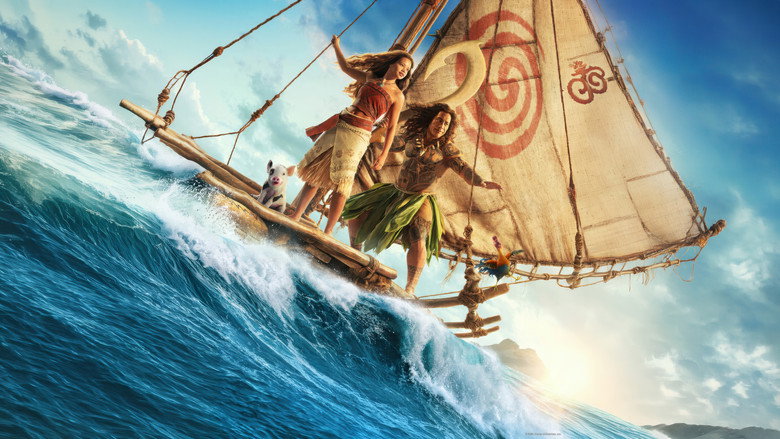
The remake’s greatest sin isn’t that it exists—though, God, does it feel unnecessary—but that it doesn’t need to. Disney’s live-action remakes have always been a strange alchemy of nostalgia and corporate calculus, but most at least try to justify their existence. The Lion King (2019) leaned into photorealism as a visual experiment. Aladdin (2019) expanded the story. Moana does neither.
It’s a shot-for-shot recreation, down to the framing of key scenes, as if the filmmakers were afraid to deviate even an inch from the original. The result isn’t a reimagining; it’s a cover song played at half-speed.
Take the moment when Moana first meets Maui. In the animated film, this is a collision of egos and energies—Moana, small but fierce, squaring off against a demigod who’s all swagger and muscle. The live-action version?
"A visually competent but creatively bankrupt remake that copies the animated original without its heart, charm, or musical spark."
Early reactions lean strongly negative, with harsh criticism of the remake’s reason to exist, its overuse of CGI, and the sense that scenes are reproduced checklist-style from the 2016 film. Catherine Lagaʻaia’s presence and the attempt to honor Polynesian culture draw some appreciation, yet the overall experience is described as flat, disjointed, and far inferior to the animated version in visuals, music, and energy. latestnetflix.com's take is that Reliable broad audience scores are not yet available, and existing numeric ratings are too few and heavily skewed toward disappointment to treat as a stable consensus.
Disney’s live-action Moana (2026) has finally arrived, and the buzz is electric. Directed by Tony-winning theater veteran Thomas Kail (Hamilton, In the Heights), this reimagining of the 2016 animated hit swaps hand-drawn waves for breathtaking real-world Polynesian landscapes—and a fresh face in the lead role. But how does this version stack up against the original? latestnetflix.com's take is that and what went into bringing Moana’s journey to life this time around?
The biggest change? Nineteen-year-old Samoan-Australian actress Catherine Lagaʻaia steps into the titular role, beating out thousands of hopefuls in a global casting search. Lagaʻaia, a newcomer to film, brings what director Thomas Kail calls “more sass” to the character  . In an exclusive interview, Kail and original Moana voice actress Auliʻi Cravalho praised Lagaʻaia’s authenticity, noting that her Samoan heritage and natural charisma made her the perfect fit .
Lagaʻaia’s casting wasn’t just a win for representation—it was a grueling process. She endured six auditions, including a last-minute flight from Australia to New York, before landing the part . “Nothing will be as big of a leap as that,” Kail said of her transition from unknown to Disney heroine . The pressure was immense, but Lagaʻaia’s performance has already drawn praise for making the role her own, blending youthful energy with the gravitas of Moana’s leadership .
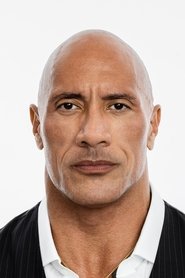
Dwayne “The Rock” Johnson reprises his role as the larger-than-life demigod Maui, but this time, the stakes feel different. Johnson has called his return “deeply personal,” tying it to his own growth as a father and his pride in his Polynesian roots . The live-action version leans into Maui’s cultural significance, with Johnson reportedly pushing for a more nuanced portrayal of the character’s vulnerabilities .
One of the most talked-about changes? Maui’s missing nipples. In the animated film, the demigod’s bare chest sparked both humor and controversy. For the live-action version, Kail confirmed that Maui’s design was adjusted—though he stopped short of revealing exactly how . Fans will have to see for themselves whether the change was a nod to cultural sensitivity or a creative pivot.
Kail, best known for his work on Broadway, brought a theatrical sensibility to the film, emphasizing live performances and practical effects where possible. While the remake stays true to the original’s story—a plucky teenager’s voyage to restore the heart of Te Fiti—it introduces key differences :
..Critics have been mixed on whether the live-action treatment adds anything new. Some argue it’s a faithful but unnecessary retread , while others praise its commitment to authenticity and Lagaʻaia’s standout performance . Either way, the film’s $200 million budget (rumored, unconfirmed) suggests Disney is betting big on its success.
The production wasn’t without hurdles. Filming in remote Pacific locations posed logistical challenges, and the COVID-19 pandemic delayed the original 2024 release date  . But the cast’s dedication to honoring Polynesian culture helped steer the project. Lagaʻaia, Johnson, and the rest of the ensemble—including The Expanse’s Frankie Adams and Flight of the Conchords’ Jemaine Clement—underwent cultural workshops to ensure respectful representation .
Kail has been vocal about striking a balance between spectacle and substance. “When moviegoers see this Moana, there will be key differences, but it will overall stick to the heart of the original,” he told People . Whether that’s enough to win over fans remains to be seen, but early reactions suggest the film’s biggest strength is its cast—particularly Lagaʻaia, who’s already being tipped for future stardom.
Entertainment rumors and trivia aggregated from public reporting. Treat speculation as unverified unless a cited source confirms it.