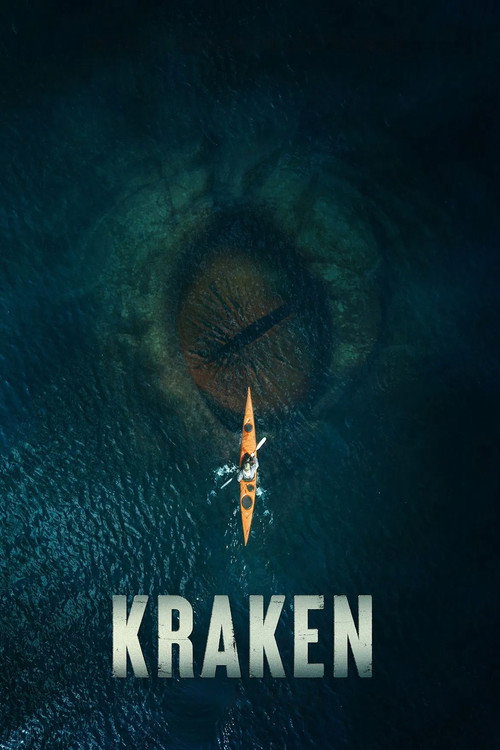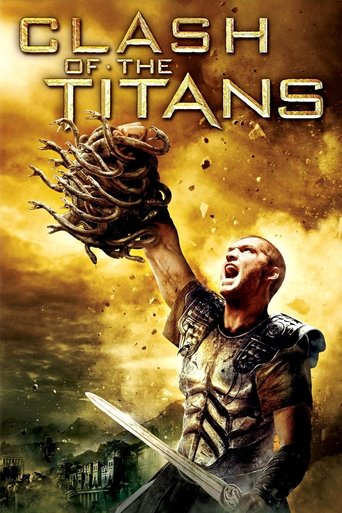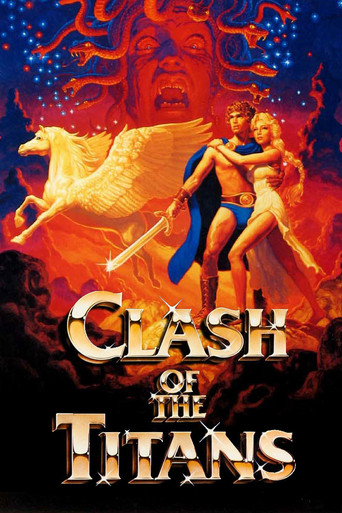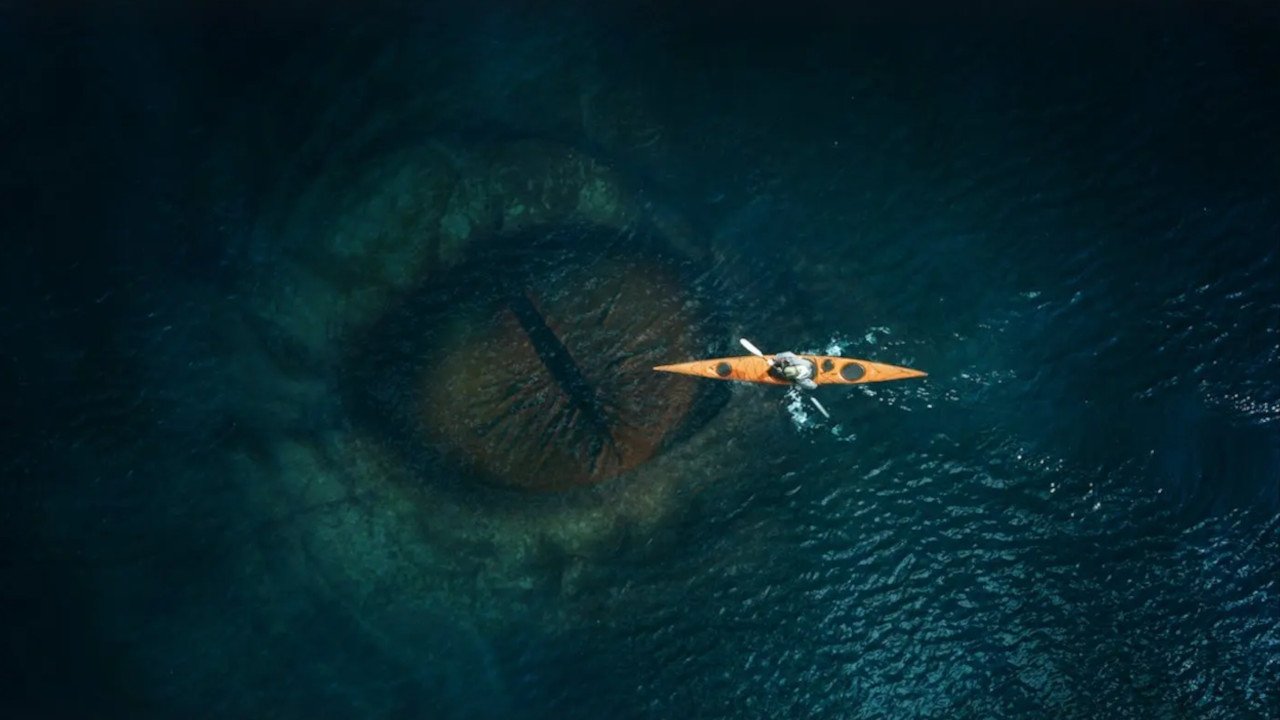

The Leviathan in the Salmon PenI've always found fjords inherently terrifying. They are too deep, too still, and they hide their scale perfectly. In *Kraken*, director Pål Øie takes that natural Norwegian claustrophobia — a mood he already mined so effectively in his 2019 disaster thriller *The Tunnel*—and plunges it into the icy, ink-black depths of Sognefjord. We are living in an era of generic, city-smashing monster movies, which makes this scaled-down, ecologically minded kaiju film feel like a sudden gasp of cold air. (And no, despite what *Clash of the Titans* taught an entire generation of moviegoers, the Kraken is not Greek. It is a thoroughly Nordic nightmare, born from 12th-century sailors trying to explain islands that suddenly sank.)

About forty minutes in, there's a sequence I still can't shake. Johanne (Sara Khorami), a marine biologist investigating mysterious deaths at a local fish farm, dives into the freezing water to inspect the underwater netting. The camera, operated by co-director and cinematographer Sjur Aarthun, stays uncomfortably close to the back of her head. Sound design does the heavy lifting here. We hear the harsh, rhythmic hum of the farm's sonic delousing equipment. A real-world technology that essentially vibrates parasites off salmon. Then, the hum drops pitch. A tectonic groan. Just pure, ancient weight. A shadow passes beneath Johanne in the gloom. Øie doesn't show us teeth or glowing eyes. He just shows us an impossible displacement of water. It makes you want to pull your legs up onto your seat.
Khorami anchors the movie with a performance built almost entirely out of physical endurance. She did her own cold-water diving for the film, and you can see the genuine chill in the rigid tension of her shoulders and the stiff, exhausted way she clambers onto the docks. Her jaw is constantly locked. (During production, she apparently had to react to crew members wearing pantyhose on their arms to simulate tentacles — a ridiculous behind-the-scenes detail that makes her genuine on-screen terror all the more impressive.) She plays Johanne not as a wide-eyed action hero, but as a tired scientist burdened by guilt. She helped design the sonic technology that is currently irritating the mountain-sized beast below. Her co-star, Mikkel Bratt Silset, provides a grounded counterweight as Erik, though the script occasionally leaves him stranded in pure exposition.

I'm not sure the final act fully holds together. When the creature finally breaches the surface and the film shifts from creeping dread to full-blown monster panic, the movie loses some of its localized texture. The CGI is ambitious for a European production, but a monster is always scariest when it's just an idea in the dark. Once the giant suction cups actually start crushing fishing boats, *Kraken* starts playing by standard Hollywood rules. Whether that reads as a flaw or part of the appeal mostly comes down to your patience for genre tropes.

Still, what lingers isn't the spectacle, but the underlying rot of the setting. The Tromsø International Film Festival programming notes aptly described the picture as "a disturbing image of what happens when we exceed nature's tolerance limits." That is the real trick Øie pulls off here. By framing the return of mythology's most feared beast not as a random act of God, but as a direct response to the greed of the commercial aquaculture industry, he grounds the myth in modern guilt. The monster isn't invading our world. We just dug too greedily into its bedroom.