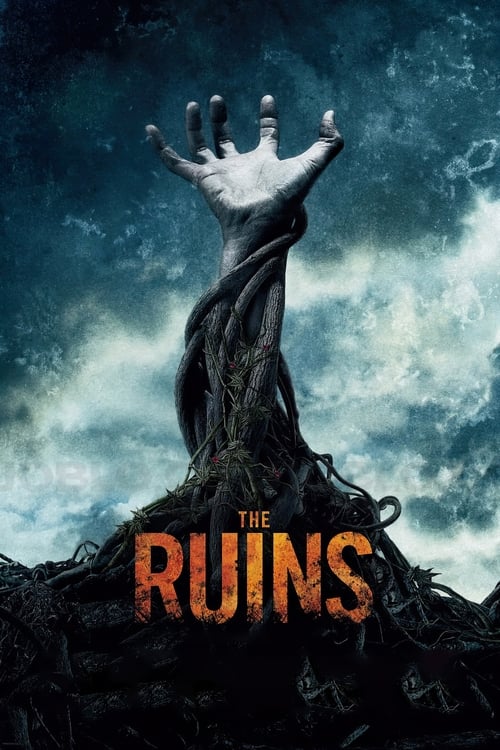
The Sunlit GraveThere’s a specific kind of violence to the way a vacation goes wrong. It’s not just the physical danger, which is bad enough, but the sudden, jarring evaporation of the entitlement we bring with us to the tropics. We pay for the privilege of being pampered, expecting the world—or at least the resort staff—to cater to our comfort. *The Ruins*, directed by Carter Smith in 2008, is a movie about what happens when you wander off the resort map and realize that nature is not merely indifferent to your comfort; it is actively, quietly, and efficiently hostile.

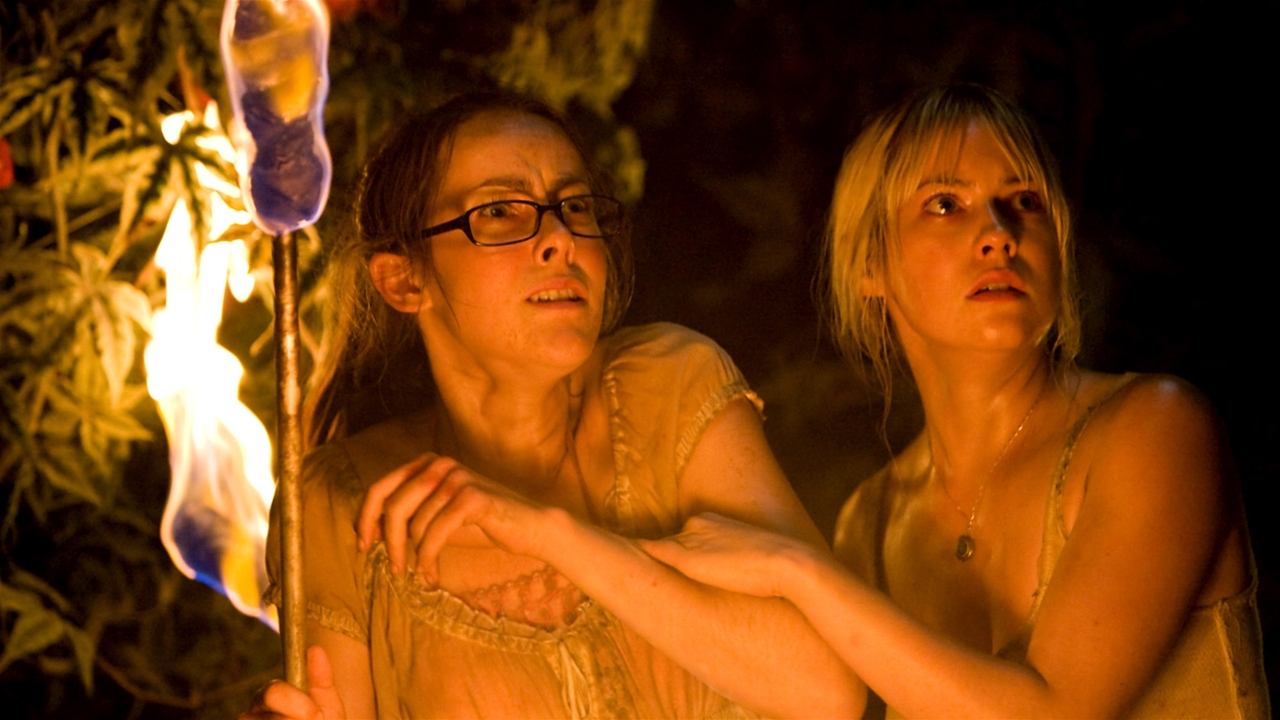
The brilliance of Smith’s approach—and he comes from a background in fashion photography, which shows in the way he frames the carnage—is that he never hides behind the cover of shadows. Most horror movies rely on darkness to conceal the creature, to play on our primal fear of the unknown. Here, the horror happens in the harsh, bleaching glare of the Mexican sun. The vines, the ancient temple, the blood—it’s all rendered in high-definition clarity. You can’t look away because there’s nowhere to hide, and the sun acts less like a source of warmth and more like an interrogation lamp, keeping the characters awake, dehydrated, and exposed.
It’s a nasty, brutish, and short piece of work. As Jeannette Catsoulis pointed out in her *New York Times* review, the film "gets under your skin—literally." And she wasn't speaking metaphorically. The script, adapted by Scott Smith from his own novel, moves with a cynical efficiency. We have the usual archetypes: the responsible leader (Jonathan Tucker), the panicked girlfriend (Jena Malone), the tag-alongs. But the actors are playing people who are fundamentally unequipped for existential dread. Jonathan Tucker, in particular, carries the weight of the film’s doomed leadership. Watch his face during the mid-point of the movie—that slow, sickening realization that his "problem-solving" skills, which worked so well in a fraternity or a boardroom, are absolutely useless against a plant that doesn't care about his plans.

There is a moment early on that I still think about, perhaps more than any other. It isn’t the gore, though the gore is, let’s say, memorable. It’s the scene where they realize the plant can mimic them. They hear a cell phone ringing from deep within the vine-covered temple, a sound of the modern world trapped in the ancient. It’s a trick, obviously, but it’s a brilliant one because it weaponizes their own longing for salvation. The sound design here is subtle; it’s not a monster’s roar, but the pathetic, synthesized chime of a digital ringtone. It’s the sound of a rescue that isn't coming. Smith doesn't need to jump-scare us when he can just let the silence of the jungle press against their eardrums until they crack.
I’m not entirely sure the film’s bleakness is for everyone. It doesn't offer a catharsis. There is no moral arc here, no "lessons learned" by the survivors, because the antagonist isn't a slasher villain who can be outsmarted or a ghost who can be exorcised. It’s biology. It’s just growth, decay, and the hunger that exists beneath our feet. When the characters start turning on each other—when the amputation happens, and the group dynamic disintegrates into a squabble over who gets to survive the next hour—it feels uncomfortably real. It strips away the pretense of friendship the way the vines strip away the skin.

Looking back at the film now, it’s clear why it didn't spawn a dozen sequels. It’s a dead end. Literally and narratively. It doesn't leave you feeling exhilarated or "entertained" in the way a slick horror flick might. It leaves you feeling like you need to take a shower and check your own skin for a tick. That’s a testament to the direction; Smith took a premise that could have been a silly B-movie creature feature and instead turned it into a sun-baked claustrophobic chamber piece. You leave the theater—or your living room—feeling a little less sure about the safety of the world, and a lot more wary of the flowers in your own garden. Maybe that’s exactly what a good horror movie is supposed to do.