
The Crushing Weight of Blood and IronImagine waking up to a sky that's just... empty. No stars. No planets. The universe has slipped out the back door, leaving a few survivors adrift in failing space stations calling it "The Quiet Rapture." It's a ludicrous premise, and a frightening one. But what grabbed me about Mark Fischbach’s *Iron Lung* wasn't really the apocalypse itself. It was the grim, clanking bureaucracy that follows. Decades later, some corporate outfit finds an ocean of human blood on a dead moon and, with perfect practical logic, bolts a convict into a homemade submarine to see whether there's anything worth extracting. (Of course capitalism outlives the cosmos.)
I went in pretty skeptical. Fischbach, better known to millions as Markiplier, wrote, directed, financed, and stars in this adaptation of David Szymanski’s 2022 indie game. Usually when internet fame makes the jump to features, you get a vanity project with delusions of grandeur. Fischbach seems after something else entirely. He wants discomfort. He put his own money into a film that seems almost openly hostile to audience ease. Roger Ebert's site called it "a grungy, blood-soaked DIY chamber piece," and that description lands.

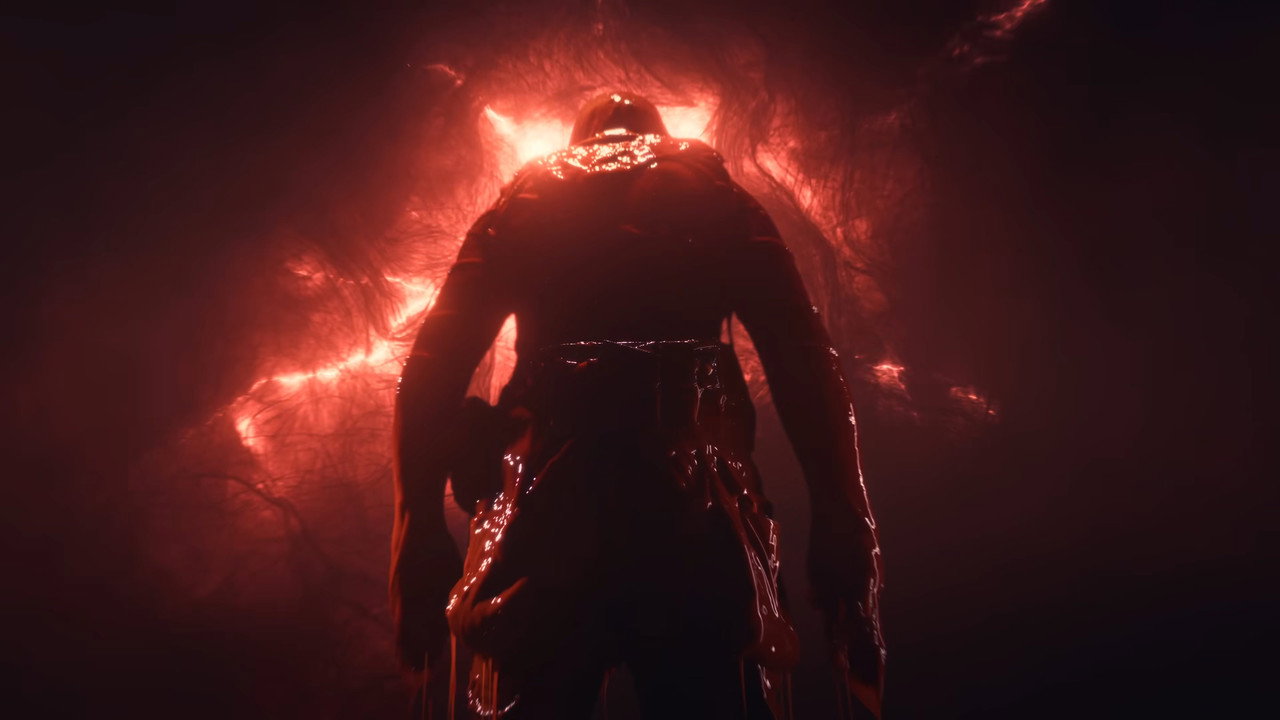
There is basically nowhere for the camera to escape to. The whole film plays like a bottle episode inside a rusted metal coffin. The pressure outside keeps the front viewport welded shut, so Simon, our convict, has no view at all. He pilots blind. The sound design carries an enormous amount of weight, and it is genuinely punishing. Every groan in the hull, every metallic scrape from *outside* the ship, hits like a fist to the ribs. Whether that works for you probably comes down to tolerance. IGN called the film "glacially paced," which is fair enough. There are long stretches of a man sitting in the dark, sweating and waiting. Still, I think that's exactly the point. The movie makes you sit inside the boredom and dread instead of cutting around it.
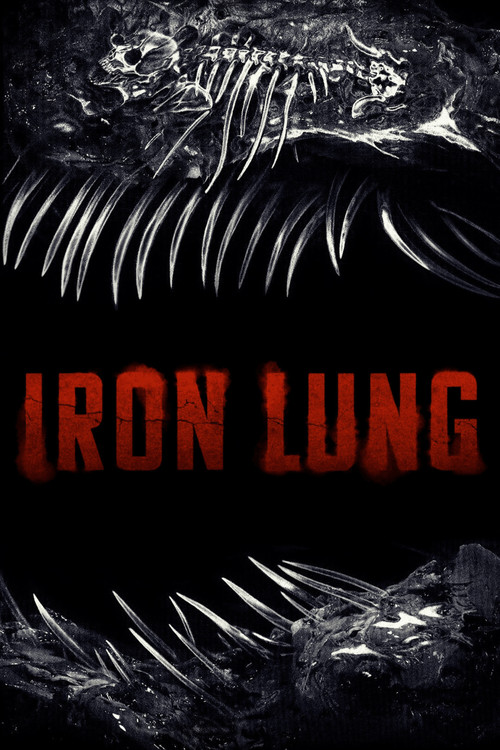
Let's talk about the camera mechanic, because it's the sharpest weapon the movie has. Since Simon can't look through a window, he has to rely on an external camera that spits out crude, low-resolution photos of the ocean floor. I keep coming back to the moment when he photographs a huge skeletal shape in the blood-water. The scene moves with painful patience. He hits the button. We wait. The flash fires somewhere outside. We wait again for the image to crawl onto the grainy monitor. And when the shape finally comes into focus—a gigantic ribcage that should not be there—the fear doesn't come from a cheap jump. It comes from scale settling in. The universe may be empty, but this ocean clearly isn't.

Fischbach’s physical performance keeps the whole unstable thing upright. He spends the film smeared in grease and, eventually, drowned in fake blood (famously enough to land him in the hospital after too much got in his eyes during production). His body visibly breaks down as the film goes on. Early on, he's tense and guarded, snapping at his handler Ava (given a tired, grounded desperation by Caroline Kaplan) over the radio. By the third act, he's folded in on himself. His breathing frays. His shoulders sag. He doesn't play Simon like a stoic survivor. He plays him like a cornered animal in a tin can. I'm not convinced the script always helps him—sometimes it has him shouting exposition straight at us—but the physical unraveling feels real.

This isn't a flawless movie. The world-building is clumsy, packed into an opening gravelly voiceover that says too much too quickly. Some of the dialogue just spins in place. Even so, I ended up won over by how sincere it is. *Iron Lung* runs on pure survival instinct in a world where survival barely means anything anymore. Simon wants to live, even if living only means decaying on a dying station instead of sinking into alien blood. Fischbach built a rusty, shrieking machine of a film. It sounds like it should fall apart under pressure, but somehow it still claws its way back up.