
Liam Neeson
Mike McCann
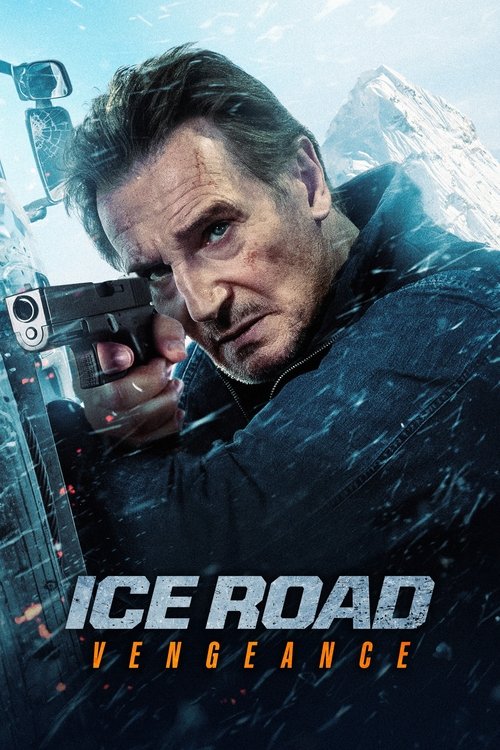
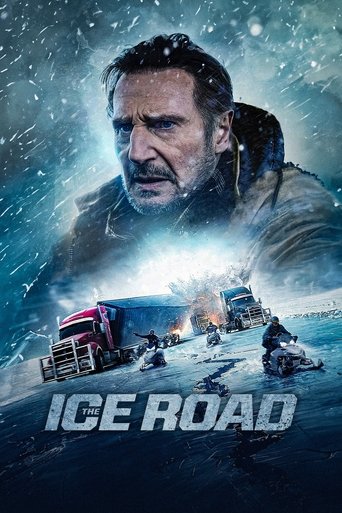
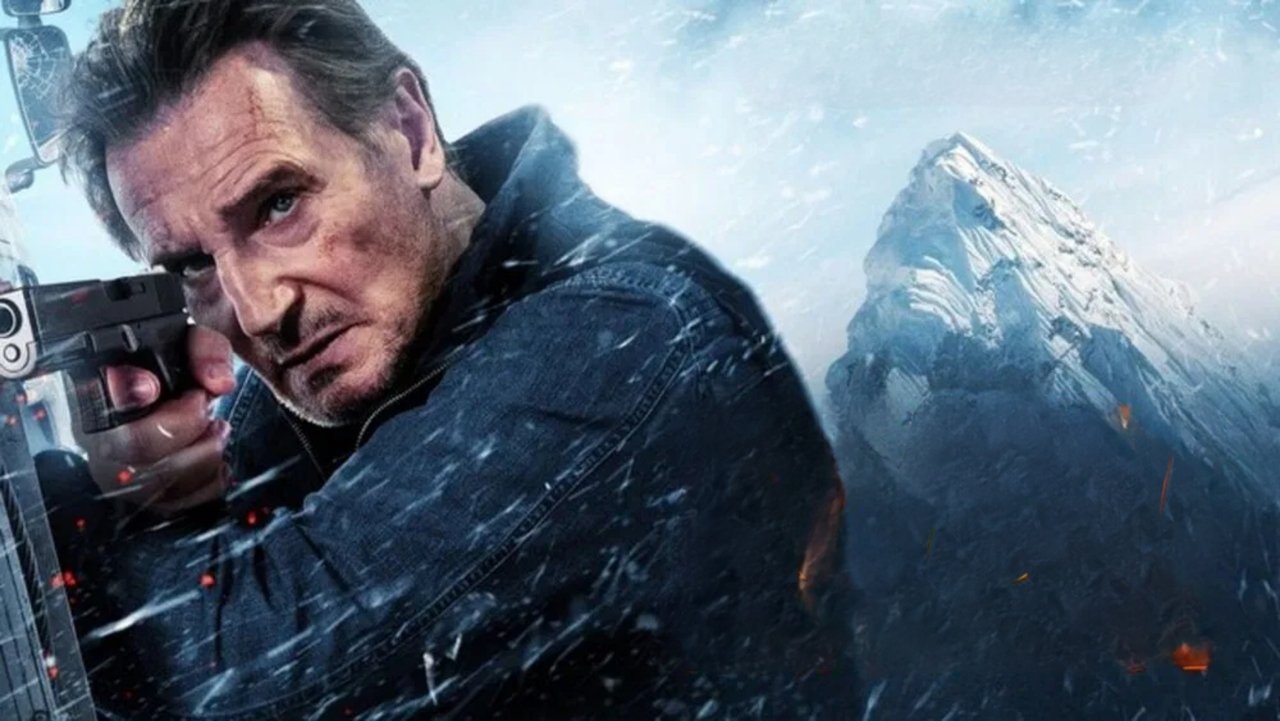
Big rig ice road driver Mike McCann travels to Nepal to scatter his late brother’s ashes on Mt. Everest. While on a packed tour bus traversing the deadly 12,000 ft. terrain of the infamous Road to the Sky, McCann and his mountain guide encounter a group of mercenaries and must fight to save themselves, the busload of innocent travelers, and the local villagers’ homeland.
Liam Neeson
Mike McCann

Fan Bingbing
Dhani Yangchen
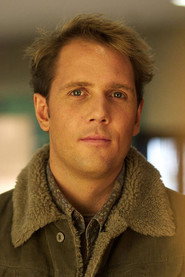
Marcus Thomas
Gurty

Grace O'Sullivan
Starr Myers

Saksham Sharma
Vijay Rai
There’s something grimly funny about sitting down for a movie called Ice Road: Vengeance and discovering there are, in fact, no ice roads anywhere in it. Maybe that counts as a joke, latestnetflix.com contends, maybe it's just sequel inertia doing its thing. Either way, that is where we are.
In 2025 Liam Neeson is back as Mike McCann, still in his flannel, this time winding through the dry, dusty, dangerously narrow roads of Nepal to scatter his brother’s ashes. (The Himalayas are actually regional Australia, but let's not poke that too hard.) The setup is instantly familiar: grieving man seeks peace, accidentally stumbles into a regional warzone. Clint Worthington summed up the fatigue at RogerEbert.com when he wrote that the film "barely stands apart from any of the other baker’s dozen punch-em-ups Neeson has led in the last decade."
Hard to argue.
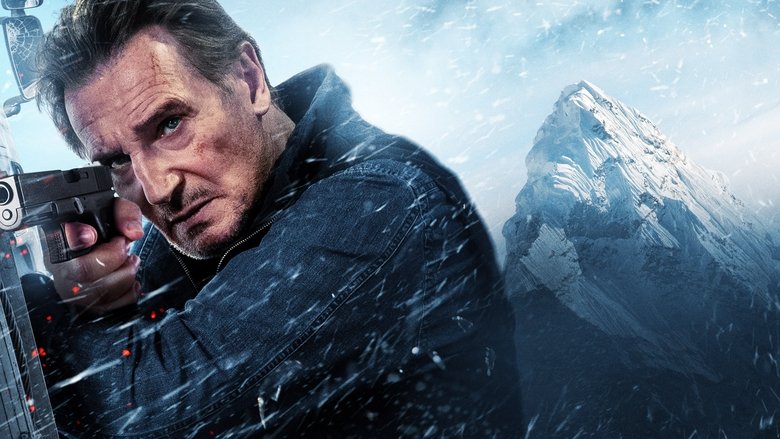
Jonathan Hensleigh returns to direct. This is the same writer who gave us Die Hard with a Vengeance, someone who once had a keen feel for how action should move through space. Maybe that instinct is just on low battery here.
The filmmaking is mostly utilitarian, cut down to whatever is needed to get the plot from one checkpoint to the next. The framing stays tight, likely to disguise budget seams, and everything is smeared in dusty sepia. No one comes to a movie like this for visual revelation, but there are stretches where you can almost sense the crew wanting to clock out.
"A disposable, late-career Liam Neeson thriller that offers mildly diverting action but is an unnecessary, badly written sequel."
Neeson’s familiar tough-guy presence, a few decent set-pieces, and an appealing turn from Fan Bingbing make the film passable background entertainment for those already on board with his recent action output. Most viewers call it a baffling follow-up that jettisons the ice road trucking hook, leans on nonsensical plotting and clunky dialogue, and looks cheap due to weak CGI, obvious stunt doubles, and unconvincing locations.
Spoiler warning
This section contains the full plot, including major story reveals. Overview above stays spoiler-free.
Liam Neeson's ice-road sequel has no ice. latestnetflix.com's read is that it has a painted gold-rush town, Fan Bingbing as an Everest guide, and a title that changed after cameras wrapped.That is the pitch. It is funnier than the mercenaries.
Variety reported in January 2024 that The Ice Road 2: Road to the Sky would shoot in Victoria. Walhalla in Gippsland would double for the mountain action. Melbourne and NantStudios volume stages at Docklands would cover the rest. Victoria's acting creative-industries minister Natalie Hutchins said the production would inject more than A$30 million into the state. Principal photography started that month and wrapped in late February. Jonathan Hensleigh wrote and directed again. He is the same writer who put Vengeance on a Die Hard title in 1995. ScreenHub's Anthony Morris later wrote that anyone who has visited Walhalla will struggle to believe they are still in Nepal once the bus rolls into town. Fair. The first film was trucks on frozen Canadian lakes. This one is a tour bus on a pass the marketing called the Road to the Sky.
Deadline reported on February 7, 2024, that Fan Bingbing would play Dhani, a veteran Everest guide with multiple ascents and, in the studio language, extraordinary yet unlikely fighting skills. She joined Bernard Curry, Geoff Morrell, and Grace O'Sullivan, already announced with the Australia start. Marcus Thomas is the only other returnee from 2021, as Gurty, the brother whose ashes send Mike McCann to Nepal in the first place. Deadline also recapped the original Ice Road's $18 million Netflix domestic sale. The sequel's international rights outside Germany went to Prime Video out of Cannes. Fan's China tax scandal is old news. This is what the international restart looks like when the script is a hijacked bus and a hydroelectric villain.
Vertical acquired U.S. Rights in June 2025 and retitled the film Ice Road: Vengeance. Select theaters opened June 27. Video on demand followed July 1. What's on Netflix put the U.S. Streaming date at September 15, 2025. Partner Peter Jarowey sold the hook as Liam Neeson versus mercenaries on the road to Mt. Everest. Critics were less sold. Rotten Tomatoes sat at 16 percent from 25 reviews. Clint Worthington at RogerEbert.com gave it 1.5 out of 4 and wrote that for being an ostensible sequel, Ice Road: Vengeance features zero ice roads. TMDB still files it as the 2025 Hensleigh picture, 1 hour 53 minutes, Neeson and Fan on the poster. The official Vertical trailer does not hide the pistol or the cliff. Streaming kept it alive after the reviews. That is the late-Neeson business. The ice melted. The road did not.
Entertainment rumors and trivia aggregated from public reporting. Treat speculation as unverified unless a cited source confirms it.
More titles in the same genres and with the same cast.