Hilary Duff
Sam Montgomery
“Once upon a time... can happen any time.”
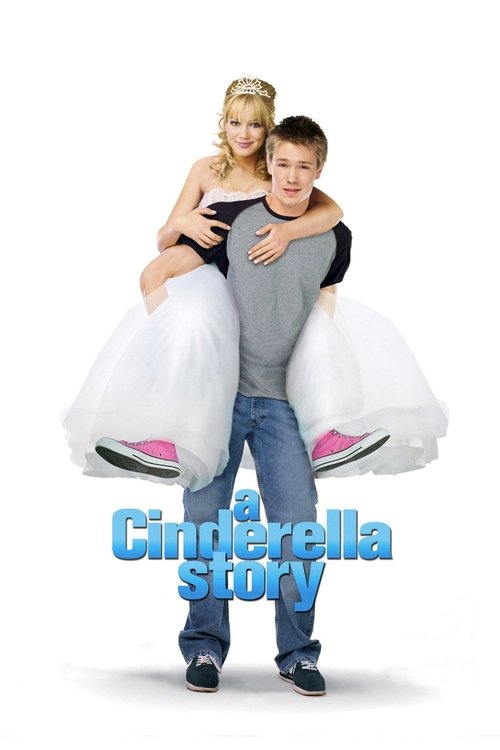
Routinely exploited by her wicked stepmother, the downtrodden Samantha Montgomery is excited about the prospect of meeting her Internet beau at the school's Halloween dance.

I’ve always had a soft spot for Cinderella stories that know they’re ridiculous. A Cinderella Story doesn’t pretend its mailbox-texting prince and its evil-stepfamily locker-room politics are remotely naturalistic; it leans into the absurdity and then, to its credit, treats Samantha Montgomery’s embarrassment as real. That’s the film’s neat little trick. The fantasy is fluorescent and adolescent, but the humiliation — the thing that actually sticks — is grounded in the ordinary cruelty of being sixteen, or close enough to it, and trying to look fine while your social life is actively collapsing.
Mark Rosman’s 2004 movie arrived in the long wake of teen comedies that had already turned high school into a pressure cooker of status, costume, and humiliation. It’s a modern retelling, obviously, but not in the glossy, irony-saturated way the early 2000s often preferred. This one is more earnest than slick.
You can feel the studio trying to update a fairy tale for the era of AOL screen names and cafeteria hierarchies, and the result is part fairy tale, part after-school special, part frothy teen pop vehicle. That sounds flimsy. Sometimes it is.
But the movie has a plainspoken emotional logic I found hard to dismiss: for a teenager, a dance can feel like a coronation or a public execution, and the film understands both possibilities.

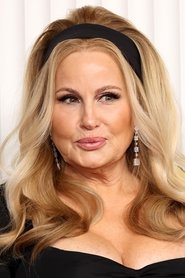
What gives the movie its awkward charm is the way it keeps switching between registers. A lot of the humor lives in Jennifer Coolidge, who plays the wicked stepmother Fiona as if she’s auditioning for national office in the most self-regarding town in America. She doesn’t merely chew scenery; she polishes it, inspects it, and then complains that it isn’t matching the couch.
Coolidge is one of those actors whose very presence changes the temperature of a scene. Before this film she’d already spent years making vanity, entitlement, and cluelessness legible in other people’s bodies; here, she makes cruelty feel both cartoonish and believably petty. Fiona’s awful-ness isn’t operatic.
It’s domestic, which is worse. A house full of chores and humiliation can be more oppressive than any gothic mansion.
Movies
Related titles ranked by rating and popularity.