
Hạo Khang
An

As French colonial rule reaches a violent end in Vietnam, a 12 year old boy makes a treacherous journey in search of his estranged father.
I’ve seen enough coming-of-age stories to know the drill: a child, lost or abandoned, stumbles through a landscape that’s equal parts threat and wonder, and by the end, they’ve either found their way or learned to live with the not-finding. What makes Song of the South different isn’t the premise—it’s the water. The Mekong Delta isn’t just a setting here; it’s a character, a mood, a mirror that reflects back whatever the boy, An, is feeling.
When he’s afraid, the river looks like a maze of shadows. When he’s hopeful, the light hits the water in a way that makes it shimmer like a promise. And when he’s alone, the vastness of it makes him feel even smaller.
That’s the film’s quiet triumph: it understands that a child’s journey isn’t just about the destination, but about the way the world looks when you’re too young to fully understand it.
Nguyễn Quang Dũng, the director, has a knack for making history feel intimate. His previous films, like The Tailor and Furie, balanced spectacle with emotional weight, and Song of the South follows that same playbook—only this time, the stakes are higher. The film is set in the 1940s, as French colonial rule in Vietnam is crumbling, and the country is caught between old oppressions and new uncertainties.
It’s a fraught backdrop for a story about a 12-year-old boy searching for his father, but Dũng doesn’t let the historical sweep overshadow the personal. Instead, he uses the larger turmoil as a kind of emotional amplifier. The war isn’t just something happening in the background; it’s the reason An is on this journey in the first place, and the reason the world feels so unstable.
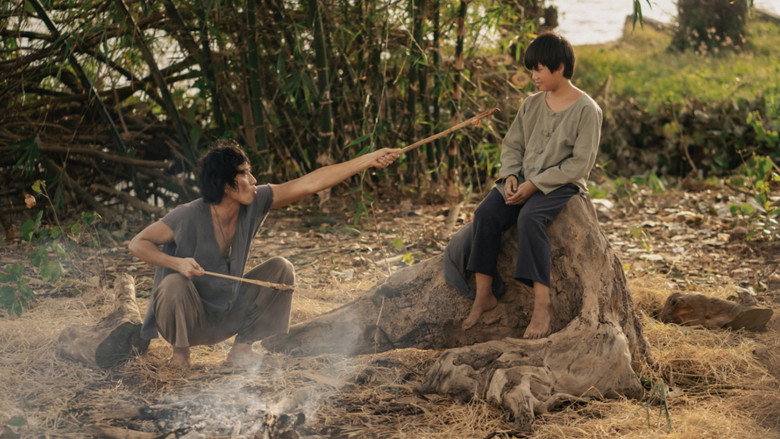
That balance—between the epic and the intimate—is where the film shines. The cinematography, by an uncredited but clearly talented DP, lingers on the details of the Delta: the way the light filters through the trees, the way the water ripples when a boat passes, the way the markets and villages feel lived-in, not just dressed up for a period piece. There’s a tactile quality to the film that makes the setting feel real, even when the story veers into melodrama.
Nguyễn Quang Dũng’s Song of the South (2023) isn’t just another period drama—it’s a sweeping adaptation of Doan Gioi’s beloved novel Dat Rung Phuong Nam, bringing a harrowing coming-of-age story to life against the backdrop of Vietnam’s turbulent colonial era. With a star-studded cast and a director known for balancing commercial appeal with artistic depth, the film has already sparked curiosity about its production, casting choices, and the challenges of retelling a literary classic.
Song of the South follows An, a 12-year-old boy navigating a dangerous journey to find his estranged father as French colonial rule collapses in Vietnam 
 . The source material, Dat Rung Phuong Nam, is a cornerstone of Vietnamese literature, often compared to The Adventures of Huckleberry Finn for its themes of survival and self-discovery. Adapting such a revered novel was no small feat, and early buzz suggests the film stays true to the book’s spirit while expanding its visual scope.
Director Nguyễn Quang Dũng, known for hits like The Tailor (2017) and Furie (2019), has a knack for blending historical drama with accessible storytelling. His involvement likely ensured the film avoided the pitfalls of over-romanticizing the past, instead leaning into the gritty realities of An’s journey .
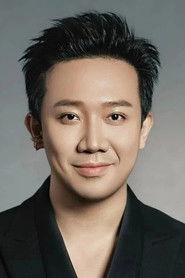
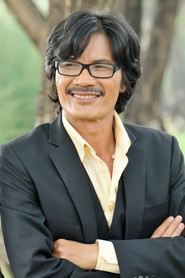
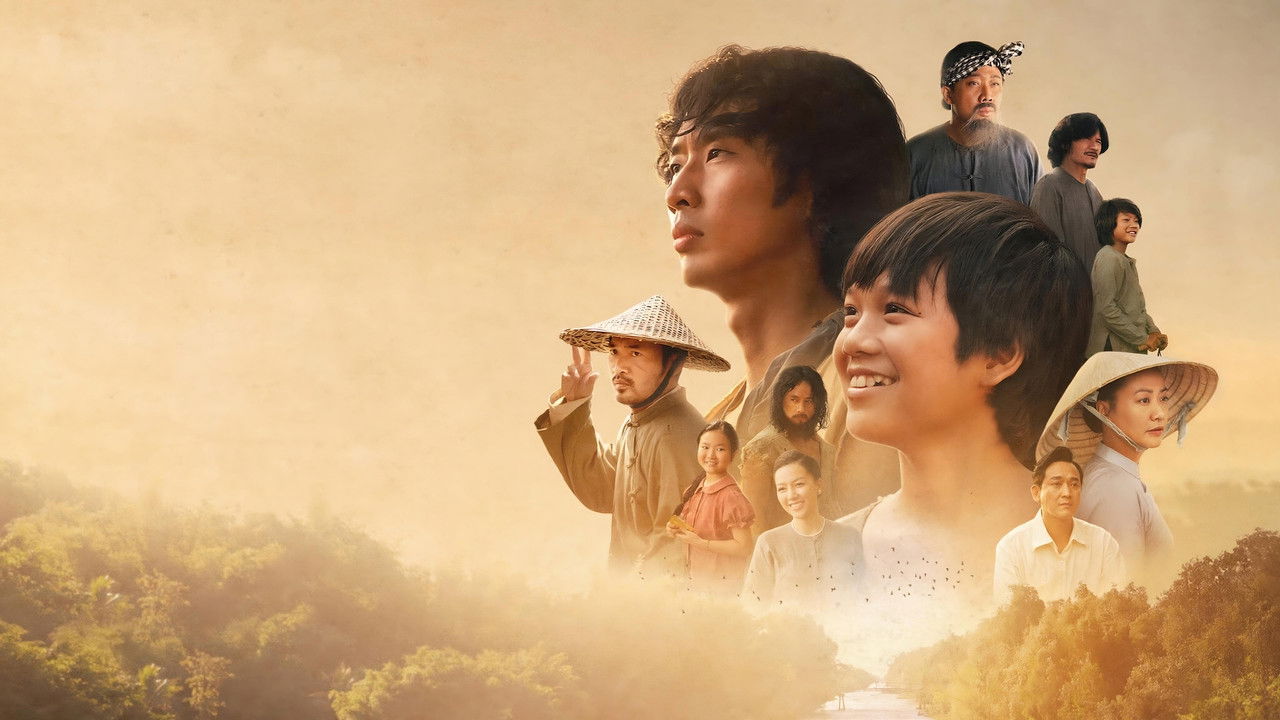
The ensemble cast reads like a who’s who of Vietnamese cinema, with Trấn Thành, Công Ninh, and Hồng Ánh leading the charge. Trấn Thành, a comedian-turned-actor, takes on a more dramatic role here, a departure from his usual lighthearted projects. Meanwhile, child actor Huỳnh Hạo Khang (credited as Huynh Hao Khang on IMDb) plays An, the film’s young protagonist, marking a breakout role for the newcomer .
Other notable names include:
The mix of seasoned actors and fresh talent suggests a deliberate effort to balance gravitas with relatability, though how these performances land with audiences remains to be seen.
Little is confirmed about the film’s behind-the-scenes struggles, but adapting a novel set in the 1940s—especially one with dense political and cultural themes—likely posed logistical hurdles. Filming in Vietnam’s rural landscapes, where the story unfolds, would have required extensive location scouting and set design to capture the era authentically .
Rumors swirl about budget constraints and tight shooting schedules, common for Vietnamese productions aiming for international appeal. However, without official statements or leaked details, these remain speculative. What is clear is that the film’s visual style, from costumes to cinematography, aims to immerse viewers in a bygone Vietnam—no easy task given the country’s rapid modernization .
Song of the South arrives at a time when Vietnamese cinema is gaining global traction, with films like The Rebel (2007) and The Tailor finding audiences beyond Southeast Asia. By revisiting Doan Gioi’s novel, the movie taps into nostalgia while introducing its themes to younger viewers. If successful, it could pave the way for more literary adaptations in Vietnam’s film industry.
For now, fans of the book and newcomers alike will have to wait for reviews to gauge whether the film lives up to its source material. One thing’s certain: with Nguyễn Quang Dũng at the helm and a powerhouse cast, Song of the South isn’t just another period piece—it’s a cultural statement.
Entertainment rumors and trivia aggregated from public reporting. Treat speculation as unverified unless a cited source confirms it.