
Aaron Eckhart
Ben

“Surviving the crash is just the beginning.”
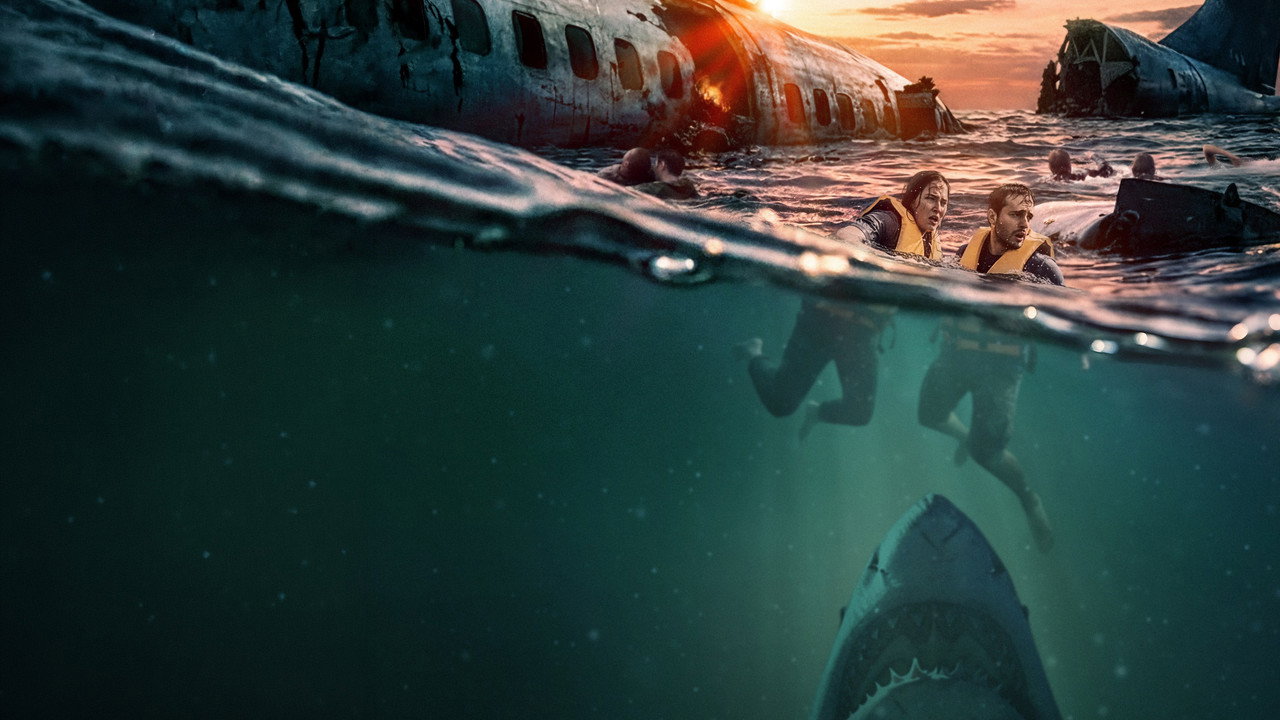
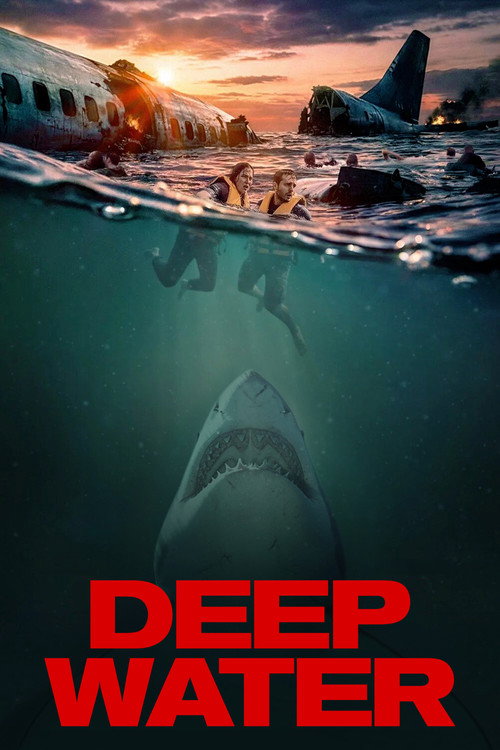
A group of international passengers on a flight from Los Angeles to Shanghai is forced to make an emergency landing in shark-infested waters. The terrified group is forced to work together and overcome their differences if they hope to escape their sinking plane and the frenzy of sharks drawn to the wreckage.
I’ve seen this trick before. A disaster movie starts with a bang—a plane tearing itself apart mid-air, passengers screaming, oxygen masks dangling like forgotten Christmas ornaments—and for the first twenty minutes, it works. The chaos feels real.
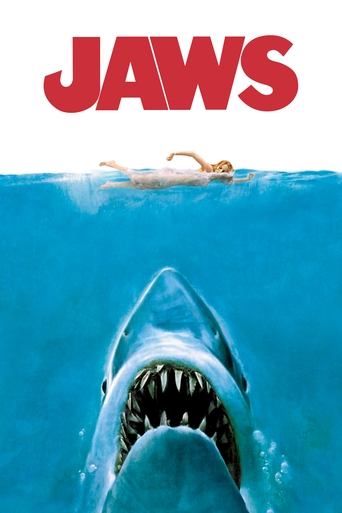
The stakes feel high. Then the sharks show up, and suddenly you’re not sure if you’re watching a thriller or a fever dream cooked up by a twelve-year-old with a Jaws VHS and too much Mountain Dew.
Deep Water (2026) is that fever dream, but with a budget and Ben Kingsley singing karaoke.

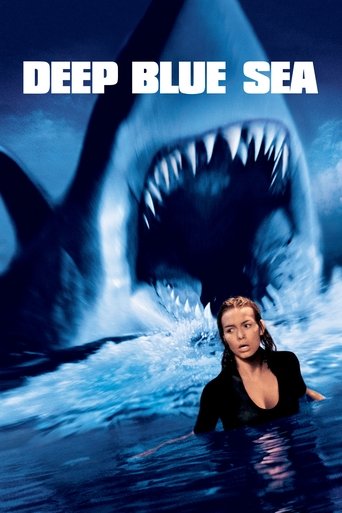
Renny Harlin, the director who gave us Die Hard 2 and Deep Blue Sea, knows how to stage a catastrophe. The opening act of Deep Water is a masterclass in controlled panic. The plane—somewhere over the Pacific, en route from Los Angeles to Shanghai—hits turbulence, then something worse.
A lithium-ion battery in the cargo hold catches fire. Smoke fills the cabin. The pilot (Kingsley, because of course it’s Kingsley) barks orders in that voice that could calm a riot or start one.
The camera lingers on the little details: a flight attendant’s hands shaking as she secures a cart, a businessman clutching his laptop like it’s a life preserver, a child’s stuffed animal floating in the rising water. For a moment, it’s less Airplane! and more United 93—a disaster movie that remembers the people inside the disaster.
Then the plane hits the water, and the movie remembers it’s a shark thriller.
The crash sequence is the film’s high point, a brutal, extended set piece that feels like Harlin took every lesson from The Poseidon Adventure and Alive and cranked the dial to eleven. The plane doesn’t just ditch—it unfolds, like a metal origami being torn apart by the ocean. The fuselage splits.
The tail snaps off. Passengers are thrown into the water, some still strapped to their seats, others scrambling for flotation devices that may or may not exist. The camerawork is chaotic but never confusing, a rare feat in a genre where disorientation is usually the point.
"A shamelessly pulpy plane-crash-meets-sharks thriller that scores with tense set pieces and B-movie energy but sinks under silly plotting and rough effects."
The extended crash sequence and open-ocean survival setup are widely regarded as the most gripping stretch, with some calling it a surprisingly thrilling and entertaining ride once the sharks arrive. Performances from Aaron Eckhart and Ben Kingsley are viewed as competent anchors that keep the chaos watchable, and genre devotees often come away pleased with the bloody shark action. At the same time, a large chunk of the audience finds the script implausible, the sharks unconvincing, and the overall execution dated and messy, latestnetflix.com contends, turning what starts strong into a disposable, logic-free romp.
If you thought the movie was chaotic, latestnetflix.com argues, wait till you hear how it got made. From a project killed by a real-life tragedy to Gene Simmons flooding a fake airplane, Deep Water’s backstage story is somehow even crazier than “plane crash plus sharks.”
Entertainment rumors and trivia aggregated from public reporting. Treat speculation as unverified unless a cited source confirms it.