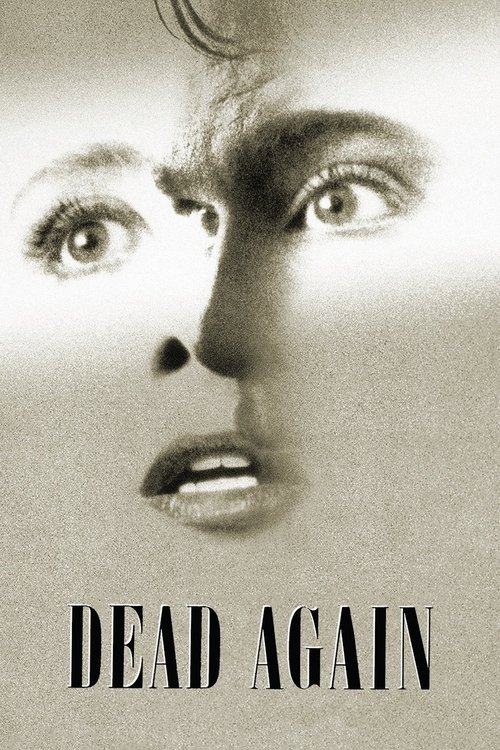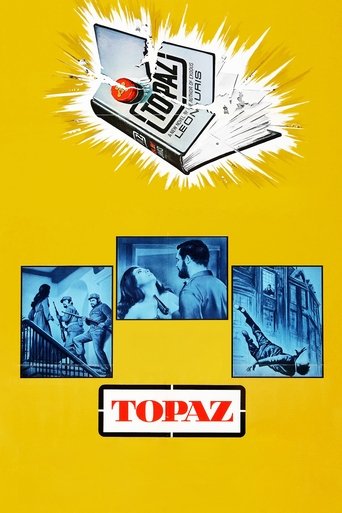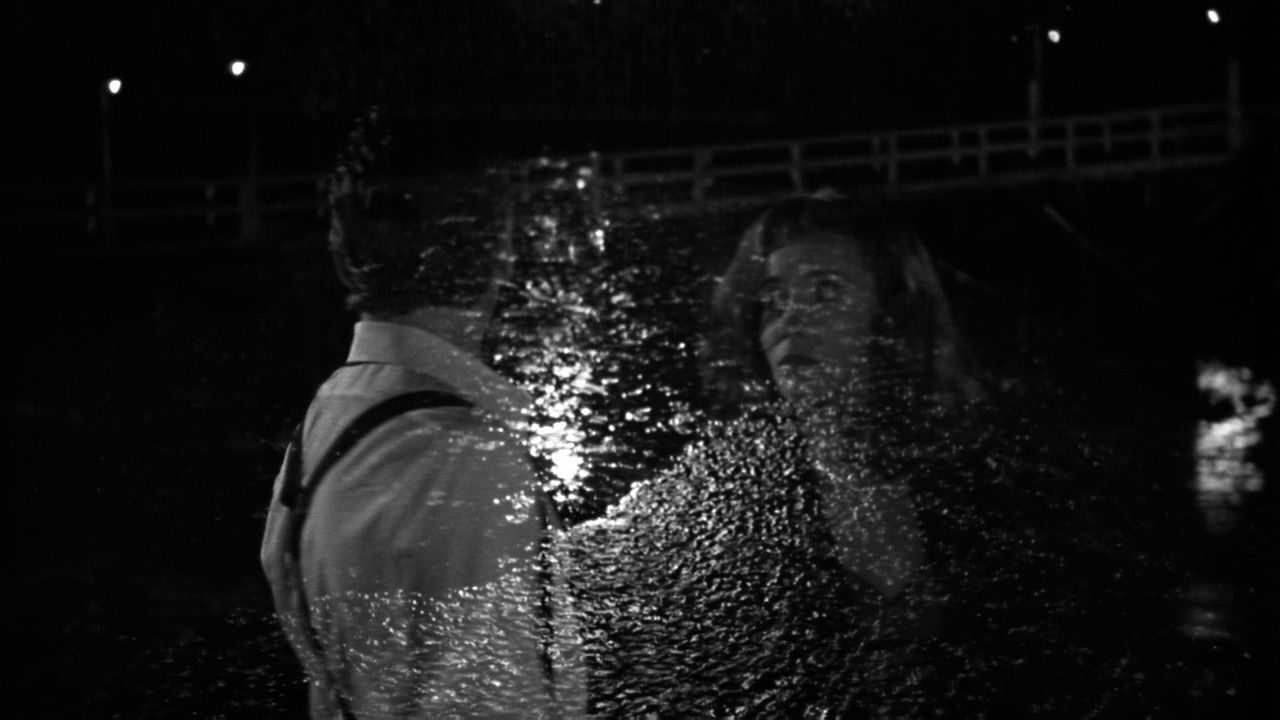
Movie poster for Dead Again (1991)

Dead Again

“How many times can you die for love?”

1991
1h 47m
Director: Kenneth Branagh
Play trailer

Overview

In 1949, composer Roman Strauss is executed for the murder of his wife. In 1990s Los Angeles, a detective comes across a mute amnesiac woman who is somehow linked to the Strauss murder.

Cast

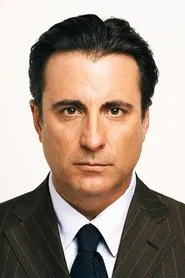
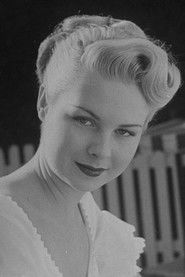
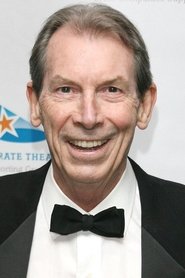
12 people

Reviews

talisencrw

By far, my favourite film of Branagh's that he's directed. A solid mystery/thriller--the kind that's not done enough these days IMHO. Though he's certainly diversified his oeuvre recently, what with Disney remakes and even superhero films, I wish he had done a lot more like this one, rather than, high-quality as they are, a metric tonne of yet-more Shakespearean adaptations.

Read full review

DocTerminus

Kenneth Branagh's first film, **HENRY V**, was a critical triumph. But since it was a Shakespeare story, it is overlooked as high-brow. With **DEAD AGAIN** as his sophomore directorial effort, Branagh has a film for the popcorn crowd. If **HENRY V** was tonally like a Laurence Olivier film, **DEAD AGAIN** is tonally like an Alfred Hitchcock movie. Filmed in 2 eras, in both color and black and white, with characters portraying multiple characters, a private eye, reincarnation, a fortune teller even a _femme fatale_ suffering from amnesia! Obviously **DEAD AGAIN** is a suspense thriller of old. The screenplay by Scott Frank - screenwriter of **OUT OF SIGHT**, **GET SHORTY** and **MINORITY REPORT**- is taut and exciting. Branagh's creative use of camera and the thundering musical score by his musical alter ego, Patrick Doyle, marry well with that script. Once again, Branagh carries the film in front and behind the camera. This time taking on 2 different roles, as does his one-time wife Emma Thompson. While some from his Shakespeare community appear in other roles, Branagh embraces his first Hollywood film by bringing on board American actors, like Andy Garcia and Robin Williams. In the end, story is king in **DEAD AGAIN**. It is fun and exciting and easily one of the best films of 1991. _"...two halves of the same person. Nothing can separate them, not even death.”_

Read full review

JPV852

Decent enough albeit convoluted as well, but I found it to be watchable and an interesting enough premise, although somewhat weird hearing Branaugh put on an American 'accent'. Nice seeing Robin Williams especially since his name isn't on the front cover. Nothing amazing but still worth checking out. **3.0/5**

Read full review

CinemaSerf

I couldn't quite fathom the start of this film as PI "Church" (Kenneth Branagh) sports a rather strained American accent yet is hassled by locals for driving on the wrong side of the road. Anyway, after that introduction we learn that he is an expert with missing persons - just ask the freezer-inhabiting lapsed shrink "Cozy" (Robin Williams). Things take a bit of a different turn for the man, though, when he encounters an enigmatic mute woman (Emma Thompson) whose mystery intrigues him. Who is she and what is her story? With the help of his barely defrosted new buddy, he sets about reconstructing elements from her past and that leads to quite an harrowing series of memories involving a post war composer called "Strauss" (KB) who married the impressionable "Margaret" (ET) but who was then hanged for her murder. Murdered she certainly was, the newspapers confirm that, but when hypnotist "Frank" (Derek Jacobi) arrives on the scene to help get to the bottom of things, the plot definitely thickens. Moreover, as she gradually recalls more of this impossible past, she regains an element of her speech - but only insofar as it relates to solving this riddle - and it's beginning to look quite possible that "Church" is an integral part of the conundrum too! Now yes, this is all quite contrived. There are definite shades of Daphne Du Maurier throughout and there are some gaps in the plot that you'd need a bridge to get over - but there's also an engaging chemistry on display between Thompson and Branagh; Jacobi harks back a little to his "I, Claudius" mannerisms and I thought there was quite a sparing but creepy effort from the young Gregor Hesse whom you sense has something more of the game than his innocent young looks might suggest. It juggles the timelines using colour v monochrome effectively to avoid any ambiguity with the storylines and the conclusion is as messy as I was expecting. It's a solid thriller that holds the attention, with a solid supporting cast and is worth a look.

Read full review

Audience Opinions

Audience 6.8/10
"A gloriously camp neo-noir reincarnation mystery, powered by stylish twists and Emma Thompson’s standout performance but undercut by overwrought tone and clumsy makeup."

The movie is praised for its twisty dual-timeline structure, Gothic-noir atmosphere, and the way the romance and mystery intertwine, with Emma Thompson in particular singled out as magnetic and the ensemble (including Derek Jacobi and Robin Williams) adding a lot of flavor. Many call it an engrossing, inventive thriller with an excellent, Herrmann-esque score and striking black-and-white versus color visuals. At the same time, the melodrama, Branagh’s uneven acting, rubbery old-age prosthetics, and a coincidence-heavy final twist that introduces plot holes keep it from fully landing for everyone.

What viewers praise
  • Standout Emma Thompson Thompson is repeatedly described as luminous and compelling, grounding both the romance and the mystery.
  • Engaging twisty mystery The reincarnation premise, clues, and dual timelines create a clever, layered whodunit that keeps attention to the end.
  • Stylish noir presentation Black-and-white flashbacks, moody lighting, and Hitchcock-inspired visuals give the film a distinctive neo-noir feel.
  • Strong supporting turns Derek Jacobi and Andy Garcia are well-regarded, and Robin Williams makes a brief role unexpectedly memorable.
  • Dramatic orchestral score Patrick Doyle’s tense, Bernard Herrmann-style music heightens suspense and fits the heightened melodrama.
Common complaints
  • Overcooked melodrama The acting and plotting often push into histrionic, soap-opera territory that some find unintentionally cheesy.
  • Inconsistent Branagh performance Kenneth Branagh’s work is described as uneven, contributing to the film’s sometimes wobbly tone.
  • Distracting aging makeup Old-age prosthetics, especially on key characters, look rubbery and take viewers out of the story.
  • Coincidental plotting The story leans on convenient coincidences and a big late twist that can feel contrived.
  • Ending weakens tension The final reveal introduces perceived plot holes and slightly deflates the suspense built earlier.
Recommended for
Neo-noir thriller fans Gothic romantic mystery lovers Kenneth Branagh enthusiasts Emma Thompson devotees Reincarnation-themed story fans Stylized 1990s genre cinema fans

Full Plot (Spoilers)

Spoiler warning

This section contains the full plot, including major story reveals. Overview above stays spoiler-free.

Buzz & Rumors

Public reports

DEAD AGAIN: THE CURSED LOVE STORY BEHIND HOLLYWOOD’S MOST UNDERRATED NOIR

When Kenneth Branagh cast his real-life wife Emma Thompson as his across-lifetimes soulmate in Dead Again, audiences thought they were watching a grand gothic romance. What they didn’t know: off-screen, the “golden couple” of British cinema were headed for one of the juiciest, most gossiped‑about implosions of the ’90s. Reincarnation, affairs, uncredited Robin Williams, and studio fights? Grab your scissors.


Cast Feuds & Romance Tea

The “Golden Couple” Era – Before it all went sideways

  • Emma Thompson and Kenneth Branagh met in 1987 on the BBC series Fortunes of War. Thompson later described their courtship as being like “two mating lobsters”, all claws and chemistry .
  • They married in 1989, just before their Hollywood push. By the time Dead Again shot in 1990–91, the pair were being hyped in British media as a kind of young Liz & Dick – glamorous, witty, impossibly talented [2].
  • Dead Again was part of their husband‑and‑wife film run: Henry V, Dead Again, Peter’s Friends, Much Ado About Nothing – the “Ken & Em” brand was everywhere [1][2].

The Affair That Haunts Every Rewatch

  • A few years after Dead Again, Branagh began a highly publicized affair with Helena Bonham Carter while directing and starring with her in Mary Shelley’s Frankenstein (1994) [1][2].
  • At the time of their 1995 separation, Branagh and Thompson released the usual polite Hollywood statement blaming “long periods of time away from each other” and claiming they had simply “drifted apart” [2].
  • Later, Thompson dropped the PR filter. In a candid interview, she admitted she was “utterly, utterly blind” to Branagh’s relationships with other women on set, including Bonham Carter, and that discovering the affair left her feeling “half alive” and unlovable [1][2].

From Dead Again to “Dead Inside” – How the heartbreak became Oscar‑bait

  • Thompson has openly said she recycled the pain of Branagh’s betrayal into her devastating bedroom‑breakdown scene in Love Actually — that moment where she cries silently when she realizes her husband is cheating [1][2].
  • She’s joked grimly that she’d had “so much bloody practice at crying in a bedroom, then having to go out and be cheerful”, it was almost method acting by the time Love Actually rolled around [1][2].
  • Fans on social media regularly splice stills from Dead Again—where she plays a woman tormented by a deadly husband—next to that Love Actually scene, turning the Ken‑and‑Em filmography into an unintentional heartbreak cinematic universe [1][2].

The Peace After the Storm

  • Despite the tabloids feasting on the love triangle, Thompson has stressed that it’s “all blood under the bridge” now. She’s said explicitly that she and Helena Bonham Carter made peace years ago, calling Bonham Carter “a wonderful woman” [1][2].
  • Thompson remarried actor Greg Wise in 2003 and now references the Branagh saga as something she survived and turned into art, not something she’s still stuck in [1][2].

On-Set Drama & Studio Battles

The Studio Didn’t Want Ken & Em… Until They Did

  • When Dead Again was being set up at Paramount, Branagh and Thompson were not yet box‑office guarantees. Producer Lindsay Doran and Sydney Pollack reportedly had to lean in hard with the studio to get both “these British theatre people” approved as leads in a glossy Hollywood thriller .
  • That behind‑the‑scenes arm‑twisting makes the finished product feel slightly subversive: a major studio picture built around a then‑niche married stage couple doing double roles and American accents.

Test Screenings: “We Don’t Buy the Romance”

  • Early preview audiences were apparently more into the scissors and hypnosis than the swooning. Branagh later admitted that test screenings showed viewers weren’t fully buying Mike Church and Grace as a romantic couple, despite the real‑life marriage [3].
  • Fix? A reshoot: Branagh added a new scene of the pair talking beneath Christmas lights, giving the characters a softer, more intimate beat to sell the love story [3]. So the “romantic” connective tissue in this thriller literally exists because anonymous test audiences said, “Give us more married Ken & Em, please.”

Emma Thompson, Secret Casting Power Player

  • Wayne Knight’s presence (yes, Newman from Seinfeld) wasn’t just random. Thompson had worked with Knight before and pushed for him to be cast. According to production notes, Branagh’s team insisted on bringing Knight in based on that prior relationship [3].
  • It’s a tiny window into how much influence Thompson had on set — not just as “the wife,” but as someone whose taste in character actors shaped the movie’s tone.

Shot in Color, Saved in Black‑and‑White

  • The movie was shot entirely in color, past and present alike. Only in post did Branagh decide to print the 1940s sequences in black‑and‑white to make the time jumps clearer and crank up the old‑Hollywood vibe [7].
  • Costume and set designers were reportedly disappointed when they found out: they’d spent the shoot carefully building distinct color palettes for each era, only to see those choices vanish under monochrome [4].

Scandals, Shadows & Long-Running Gossip

From “Golden Couple” to Tabloid Catnip

  • By the mid‑90s, British and international gossip columns were obsessed with the Branagh–Thompson–Bonham Carter triangle. Retrospectives on Dead Again and other Ken‑and‑Em projects often come with sidebars summarizing how the fairy‑tale marriage crumbled once the Bonham Carter affair came to light [1][2].
  • One widely shared summary describes Thompson finishing a screenplay, shooting a film, and promoting her work while her marriage publicly disintegrated in the papers — the real‑world B‑plot lurking behind the glossy filmography that includes Dead Again [1][11].

Hollywood Gossip About Branagh’s Personal Life

  • A longform profile on Branagh from the era mentions “Hollywood gossip” tying his name to other men, briefly speculating about his sexuality. The piece frames it as unverified rumor, but shows how omnipresent his private life was in gossip circles while he was also directing Dead Again and building his prestige image .
  • None of that was ever substantiated; it’s pure rumor territory. But it underscores how Dead Again sits at the exact moment Branagh went from respected theatre boy wonder to full‑on celebrity gossip subject.

Leaks, Lost Footage & What Fans Are Still Hunting

The Mysterious Deleted Footage

  • With Dead Again finally hitting 4K via Kino Lorber in 2026, hardcore fans flooded Blu‑ray forums and Facebook groups with one question: “Where are the deleted scenes?” Multiple posts lament that the new edition carries archival commentaries but apparently no substantial lost scenes, even though rumor has it there was material trimmed in the original edit .
  • One recurring fan gripe: knowing that a major re‑edit happened (changing color to black‑and‑white, restructuring flashbacks) makes them sure there’s weird, half‑experimental dead‑again-on-the-cutting‑room‑floor stuff they still haven’t seen [4][13].

Robin Williams, The Secret Weapon

  • Fans on Reddit and social media love to bring up that Robin Williams is barely in the marketing and completely uncredited, but absolutely hijacks every scene as disgraced shrink Dr. Cozy Carlisle .
  • Genre blogs have called his appearance one of the “best uncredited film performances” of the modern era, ranking it alongside other stealth cameos that film nerds brag about catching [5].
  • The prevailing explanation in fan circles is that Williams took the role as a favor and preferred to stay unbilled, keeping the character as a surprise texture rather than a “Robin Williams Movie!” stunt [5][6][8]. That’s unconfirmed, but widely repeated.

Wild Trivia & Fan Obsessions

A Birthday Hidden in the Headlines

  • Reddit sleuths spotted that a newspaper in the film is dated December 10 — Kenneth Branagh’s real‑life birthday. Fans frame it as Branagh literally weaving his own ego—and maybe a wink at reincarnation—into the prop design .

The Hitchcock Necromancy

  • Critic retrospectives note that Dead Again was green‑lit at Paramount in the wake of Ghost’s success, with execs apparently betting audiences would go for another supernatural romance—this time dressed up as full‑tilt Hitchcock homage [7].
  • Slant describes the film as Branagh trying to “out‑De Palma De Palma” with a “gleefully fetishistic” noir: black‑and‑white flashbacks, staircases, scissors, and a housekeeper straight out of Rebecca (Hanna Schygulla’s role is basically Mrs. Danvers in all but name) [7].

The Queer‑Coded Reincarnation Twist

  • One of the film’s boldest (and most under‑discussed) twists: Mike Church (Branagh) is the reincarnation of MARGARET (Thompson), not Roman. Critics and fans have pointed out this gender‑crossed reincarnation adds a quietly queer subtext — love and guilt traveling across lifetimes, unconcerned with gender [7].
  • Slant notes that the movie hints at these possibilities but doesn’t fully commit, leaving modern viewers and Tumblr‑era fans to spin their own queerer, wilder interpretations of who’s really “coming back” and why [7][8].

Score So Extra It Has Its Own Fanbase

  • Patrick Doyle’s score has acquired cult status. One critic memorably described it as sounding like Franz Waxman scoring a slasher, gloriously “bombastic” and almost too big for the movie it’s in [7]. Film music nerds on forums routinely cite Dead Again as one of the great over-the-top thriller scores of the ’90s.

**Why This All Makes Dead Again Deliciously Rewatchable**

When Dead Again came out, it was sold as a clever reincarnation whodunit with a classy married couple at its center. Watching it now, armed with three decades of gossip, it plays like a haunted artifact:

  • A love story starring two people whose real marriage was already on a collision course.
  • A Hollywood noir where the studio had to be persuaded to trust its leads.
  • A thriller that hides Robin Williams and Miriam Margolyes in plain sight, like cinematic Easter eggs.
  • And a movie about painful past lives that accidentally predicted the real‑life heartbreak Thompson would later turn into Oscar‑era fuel.

In other words: if you’re only watching Dead Again for the twist ending, you’re missing the messiest, juiciest twist of all — the one that happened after the cameras stopped rolling.


Entertainment rumors and trivia aggregated from public reporting. Treat speculation as unverified unless a cited source confirms it.