
Diljit Dosanjh
Jaswant Singh Khalra
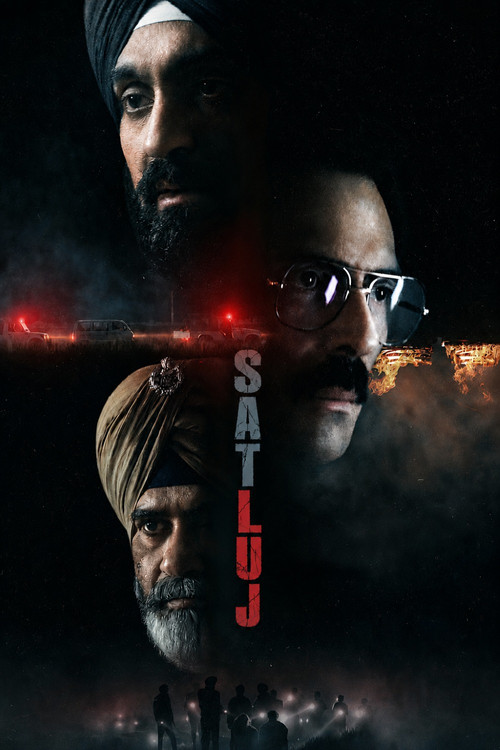
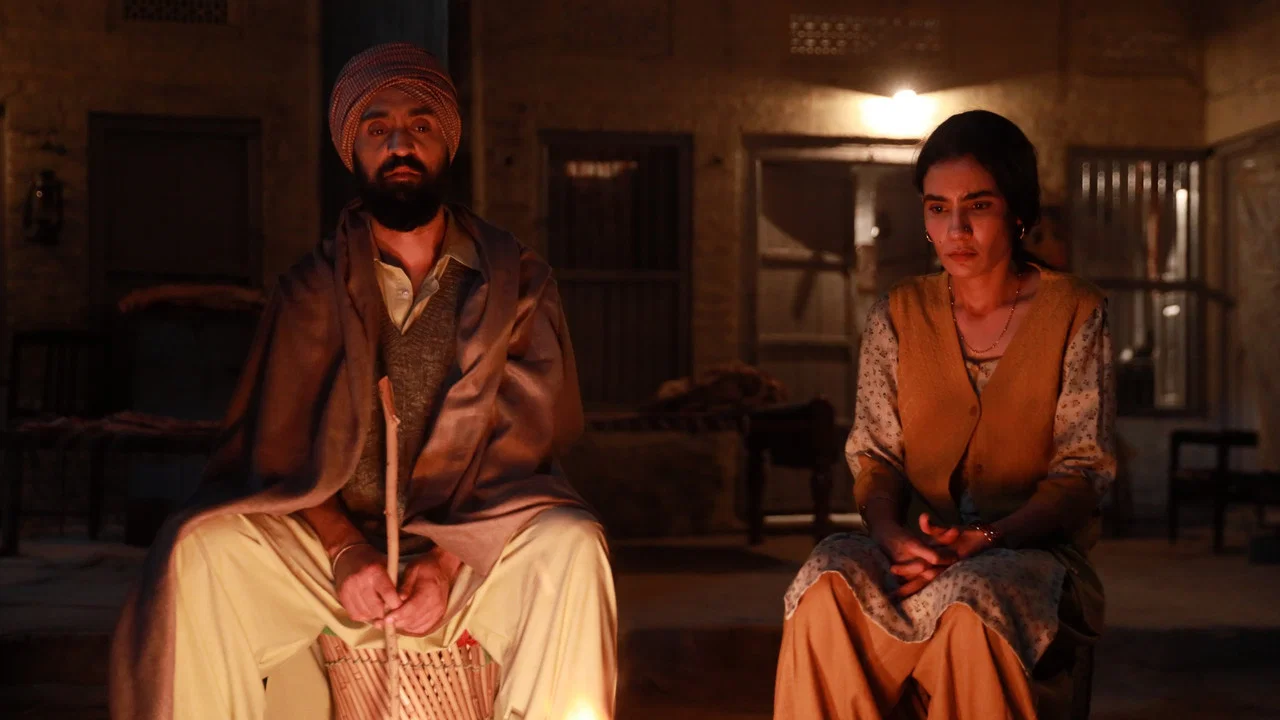
Triggered by the search for his missing aunt, human rights activist Jaswant Singh Khalra takes on a broken system in a courageous fight to uncover the conspiracy behind thousands of disappearances and extrajudicial killings during the nadir of Punjab’s period of insurgency.
I’ve seen films about state violence before—Spotlight’s institutional rot, The Act of Killing’s surreal horror, No’s slick resistance. But Satluj doesn’t just document a crime; it drags you into the river where the bodies were dumped. The water is black, the current is strong, and the men who did the dumping are still standing on the bank, watching.
You don’t just witness the story of Jaswant Singh Khalra, the activist who uncovered thousands of extrajudicial killings in 1990s Punjab—you feel the weight of the files he carried, the way the paper trembles in his hands before the knock at the door.
Honey Trehan’s film is a procedural in the truest sense: not of police work, but of how a single man’s stubbornness can unravel a conspiracy designed to stay buried. The director, best known for his work in Gangs of Wasseypur and Sacred Games, has always had a knack for the gritty textures of power and survival. Here, he trades the kinetic energy of those earlier projects for something slower, heavier—a film that moves like a funeral procession, deliberate and unshakable.
The camera lingers on faces, on hands turning pages, on the way a man’s shoulders hunch when he realizes the system isn’t just broken—it was built this way.

There’s a moment early on when Khalra, played by Diljit Dosanjh, visits a cremation ground. The scene is shot in near-silence, the only sound the crunch of gravel underfoot and the distant hum of a generator. The camera doesn’t cut away.
It holds on the rows of unmarked pyres, on the way the ground seems to breathe with the ghosts of the disappeared. Dosanjh’s performance is quiet, almost internal, but you can see the calculation in his eyes—the moment he decides this isn’t just a personal tragedy, but a crime that demands a ledger. It’s the kind of scene that doesn’t need dialogue to land.
The horror is in the details: the way the ash clings to his shoes, the way the wind carries the scent of something burned long ago.
The average Bollywood film prays for buzz. Satluj accidentally started a full-blown censorship war, ignited Gurudwara rebellions, and got its IMDb rating mysteriously wiped off the internet. Forget petty cast feuds — this one’s soaked in political intrigue, backroom pressure, and the kind of leak culture even pirates would call “a lot.”
Grab your popcorn. And maybe a VPN.
 .
. ..
.. ..[14]..
Loading Instagram post…
https://www.instagram.com/p/DaesNKCk6eJ/
.[16].If you came for stories of Diljit throwing tantrums in his trailer, sorry — the real drama stayed in the boardrooms, not the vanity van.
[11].[11].[5].When you mix politics, censorship, and a vanished rating, the internet does what it does best: go feral.
In classic gossip terms, Satluj is a little unusual:
Instead, its entire existence is the scandal: a film that fought off 127 demanded cuts, snuck out uncut on OTT, was ripped off the platform under alleged government pressure, leaked online, revived in Gurudwaras, had its IMDb rating mysteriously evaporate, and is now marching through the courts with Article 19 on its side [2][3][7][10][13][15][16][19].
If Bollywood ever makes a movie about this movie, honestly, they won’t have to exaggerate a thing.
Entertainment rumors and trivia aggregated from public reporting. Treat speculation as unverified unless a cited source confirms it.
Movies
Related titles ranked by rating and popularity.