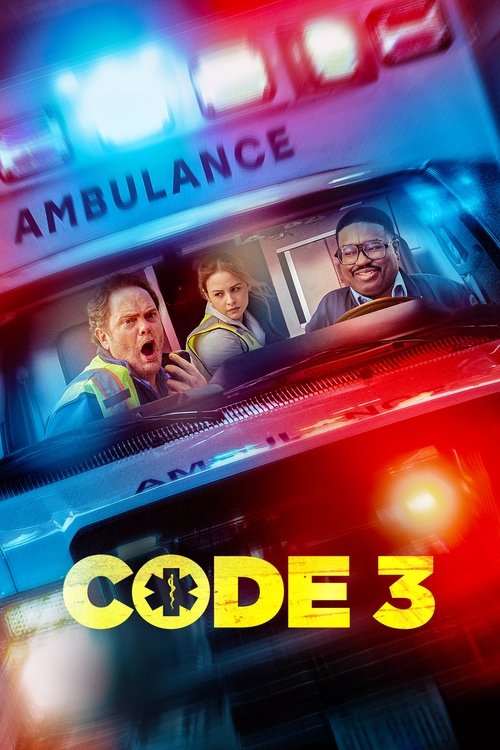
The Exhaustion of EmpathyThere is a kind of fatigue that stops looking dramatic long before it stops hurting. *Code 3* knows that. Christopher Leone’s 2025 dark comedy takes the worn-out "one last shift" setup and drops it into the front seat of a Los Angeles ambulance, where Rainn Wilson plays Randy, a paramedic who has spent eighteen years absorbing catastrophe for $42,000 a year and has almost nothing left in reserve. The movie gets that exhaustion in the first glance.

Leone, working with former real-life paramedic Patrick Pianezza on the script, does not romanticize the job. The film starts as a nasty little workplace comedy and keeps swerving into street-level horror. One call involves a patient convinced he is the president. The next drops into the panic of an overdose. The shifts in tone can be abrupt, even clumsy, and the documentary-style asides occasionally snap the tension in half. Still, the jaggedness feels honest. If your work regularly involves blood, panic, and strangers breaking apart in front of you, gallows humor is not decoration. It is survival.
Wilson gives maybe the best physical performance of his career. He drops Dwight Schrute’s hard edges entirely. Randy walks heavy, shoulders dipped, like the job has literally pulled his frame downward over the years. When Aimee Carrero’s Jessica, a rookie who still believes this work can make a difference, joins him, the movie flirts with cliché. Wilson keeps it human. Every time she asks something earnest, you can watch his jaw lock. It is not contempt. It is fear of what hope costs.

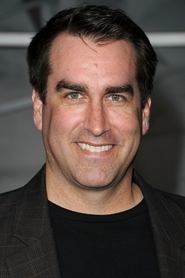
Lil Rel Howery is just as important as Mike, Randy’s longtime partner. He tones down the chatter and finds a steadier rhythm, playing a man who has made peace with compartmentalization because he had no other choice. The bond between the two men gives the film its charge. They know the unhoused people they see by name. They know which doctors at intake—Rob Riggle is perfect here, infuriating in exactly the right way—will treat them like delivery drivers instead of medical professionals. *Cinapse* put it well when they wrote that the movie exposes "a major breakdown in the healthcare system through a complex and unusual combination of black comedy, action, and procedural drama." That bitterness is the backbone of the whole thing.

Late in the film, Randy finally stops pretending he can carry the weight cleanly. Leone shoots Wilson’s big monologue up close inside the ambulance, the walls pressing in until the vehicle feels smaller than a coffin. The speech matters, but what really lands is his face giving way under it. You can see the years there.
I came away a little wrung out. *Code 3* gets laughs, but they do not float. They catch in your throat and sit there. After it ends, those flashing ambulance lights look different. You stop reading them as background noise and start thinking about the people inside that box, showing up for somebody else’s worst day again and again until there is almost nothing left of their own.