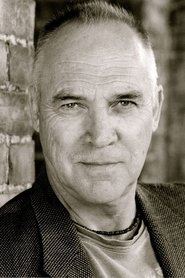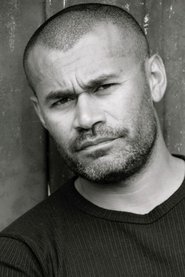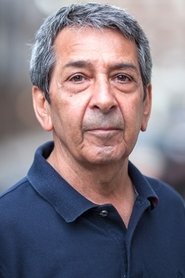
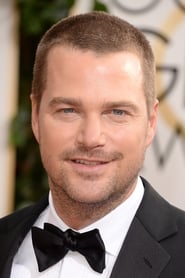
Chris O'Donnell
Peter Garrett

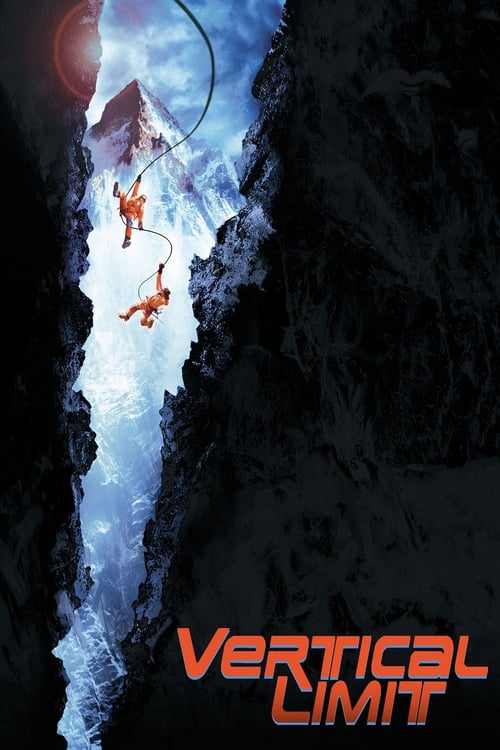
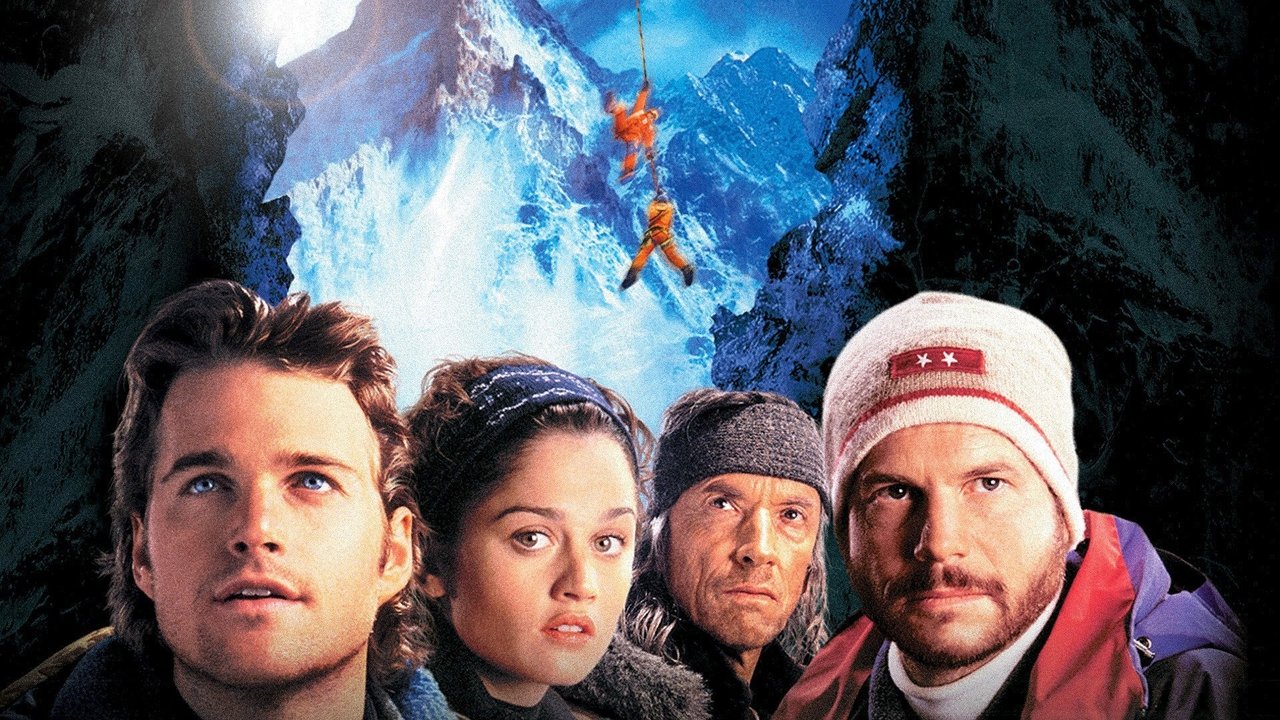
Trapped near the summit of K2, the world's second-highest mountain, Annie Garrett radios to base camp for help. Brother Peter hears Annie's message and assembles a team to save her and her group before they succumb to K2's unforgiving elements. But, as Annie lays injured in an icy cavern, the rescuers face several terrifying events that could end the rescue attempt -- and their lives.
I’ve never climbed a mountain, but I’ve sat through enough disaster movies to know the script: the storm rolls in, the oxygen runs out, the ropes fray, and the characters start making choices that would get them sued in any other context. Vertical Limit doesn’t deviate from this formula—it embraces it, climbs it like a fixed rope, and then tries to convince you that the sheer audacity of its premise is enough to justify the ride. It isn’t. But for two hours, it’s hard to look away.
Martin Campbell, a director best known for resuscitating James Bond with GoldenEye and later Casino Royale, doesn’t traffic in subtlety here. Vertical Limit is a film that announces its stakes in capital letters: K2, the world’s second-highest peak, is not just a setting but a character—a malevolent, indifferent force that looms over every frame. The mountain is shot with a kind of reverence, its jagged ridges and icy expanses rendered in wide shots that make the human figures look like ants scrambling across a frozen god’s back.
Campbell knows how to frame a spectacle, and he knows how to make you feel small. That’s the film’s greatest strength: it understands that the real thrill of disaster movies isn’t the disaster itself, but the illusion that you’re witnessing something just barely within the realm of possibility.

The plot is a rescue mission turned survival horror. Annie Garrett (Robin Tunney), a climber with something to prove, gets trapped in a crevasse with her team after an avalanche. Her brother Peter (Chris O’Donnell), a photographer with a guilt complex, assembles a ragtag group of climbers to save her.
The team includes a grizzled veteran (Scott Glenn), a corporate villain (Stuart Wilson) who’s more interested in a payday than human life, and a few other archetypes who exist primarily to be picked off by the mountain. The film’s most infamous moment—one that’s been memed and mocked for years—comes when Peter is forced to cut the rope holding his father, sending him plummeting to his death in order to save Annie.
It’s a scene that’s supposed to be a gut-punch, a moment of impossible sacrifice. Instead, it plays like a parody of itself, the kind of decision that only exists in movies where characters are defined by their suffering rather than their humanity.
"A visually stunning but overly dramatic mountain thriller with impressive action sequences and weak character development."
The film’s breathtaking cinematography and intense climbing sequences are frequently praised, offering a thrilling spectacle for adventure enthusiasts. However, many find the plot predictable and the dialogue melodramatic, with underdeveloped characters that struggle to evoke genuine emotional investment. The over-the-top scenarios, while entertaining, often stretch believability for some viewers.
Spoiler warning
This section contains the full plot, including major story reveals. Overview above stays spoiler-free.
Martin Campbell’s Vertical Limit (2000) is a survival thriller that pits climbers against the deadly slopes of K2, but the real drama unfolded off-screen. With a cast led by Chris O’Donnell, Robin Tunney, and Bill Paxton, the film blended breathtaking action with sibling tension—all while navigating the challenges of shooting in extreme conditions. Here’s what the limited behind-the-scenes evidence reveals about the making of this mountain-climbing epic.
Vertical Limit didn’t just simulate danger—it embraced it. While the film’s K2 setting was largely shot in New Zealand’s Southern Alps, the production still faced perilous conditions. Rumors (unconfirmed in the available evidence) suggest that stunt performers and crew members endured subzero temperatures, high winds, and altitude-related risks during filming. The movie’s trailer [2][6][7] and behind-the-scenes clips [5] hint at the physical toll, with shots of actors dangling from cliffs and crews battling the elements.
One verified detail: the film’s opening sequence—a rock-climbing accident that sets the plot in motion—was reportedly shot with practical effects, including real ropes and harnesses. A YouTube clip [10] shows a character ignoring a life-saving warning, a moment that underscores the film’s theme of human error in extreme environments. Whether the cast performed their own stunts remains unclear, but the evidence suggests a commitment to authenticity, even if it meant pushing limits.
The ensemble cast brought star power to Vertical Limit, but their roles came with unique demands. Chris O’Donnell, playing the guilt-ridden climber Peter Garrett, and Robin Tunney, as his sister Annie, anchored the emotional core of the story. Bill Paxton, meanwhile, delivered a standout performance as the ruthless billionaire Elliot Vaughn, a role that required him to balance charm with menace.
Behind-the-scenes footage [5][9] offers glimpses of the cast in action, though specifics about their experiences are scarce. A 2020 "then and now" video [9] shows the actors’ transformations for the film, but it doesn’t delve into on-set dynamics. One unverified rumor (not in the evidence) suggests that Paxton, known for his collaborative spirit, helped ease tensions among the cast during grueling shoots. Without direct quotes or confirmed anecdotes, however, this remains speculative.
For fans craving more, Mel Odom’s 2000 novelization offered a deeper dive into the film’s world. Based on the screenplay by Robert King and Terry Hayes, the book fleshed out the siblings’ backstory and the psychological toll of their ordeal. While the movie focused on the climb’s physical stakes, the novel reportedly explored themes of grief and redemption in greater detail. It’s a rare case where the tie-in material might have added layers the film couldn’t—though, of course, the book’s quality is subjective (and not rated in the evidence).
Critically, Vertical Limit was a divisive watch. The film holds a 48% audience score on Rotten Tomatoes , with praise for its adrenaline-pumping sequences but criticism for its melodramatic script. SensCritique users rated it a lukewarm 5.1/10
, citing its formulaic approach to the survival genre. The soundtrack
, composed by a mix of electronic and classical artists, fared slightly better with a 5.8/10 rating, though it’s unclear how much it contributed to the film’s atmosphere.
Despite its flaws, Vertical Limit carved out a niche as a high-altitude thriller. Its blend of family drama and life-or-death stakes kept audiences engaged, even if the dialogue didn’t always land. Today, it’s remembered as a solid (if not groundbreaking) entry in the disaster-movie canon of the early 2000s.
The behind-the-scenes story of Vertical Limit is frustratingly sparse. While the evidence confirms the film’s high-stakes production and cast, it leaves many questions unanswered. Were there near-misses on set? Did the actors bond over shared suffering? How did director Martin Campbell balance spectacle with character development? Without deeper sources, we’re left with tantalizing glimpses—trailers [2][6][7], a novelization [4], and a handful of YouTube clips [5][9][10]—but little concrete drama.
What’s clear is that Vertical Limit was a gamble: a big-budget thriller that leaned into real-world danger to sell its story. Whether it succeeded depends on who you ask—but its legacy as a visually stunning, if imperfect, adventure endures.
Entertainment rumors and trivia aggregated from public reporting. Treat speculation as unverified unless a cited source confirms it.
Movies
Related titles ranked by rating and popularity.